Made Mobb Teams with EPICC Recovery to Print Crisis Hotline on Free Streetwear
Made Mobb and EPICC Recovery gave away free shirts with a substance‑use helpline, turning wearers into walking billboards for help.
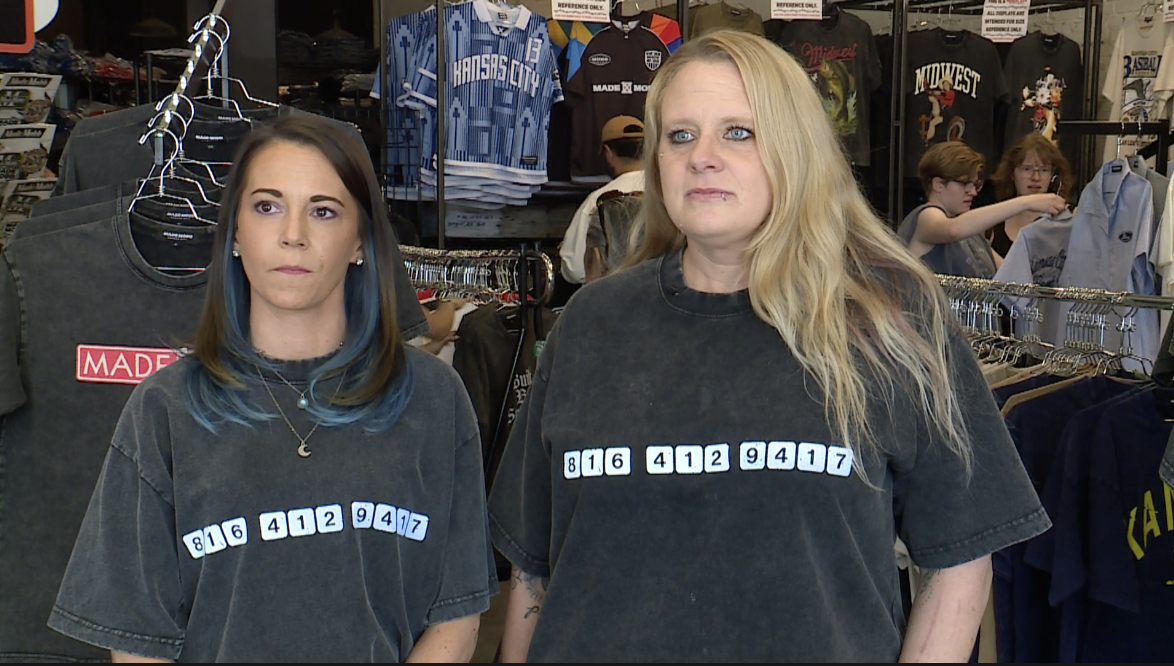
Amanda Nielson and Ashley Stanley
TL;DR
– Made Mobb and EPICC Recovery gave away free shirts printed with a crisis hotline at a May 1 First Friday event, turning fashion into a public‑health outreach tool.
Context During Mental Health Awareness Month, a streetwear brand partnered with a peer‑recovery nonprofit to embed a substance‑use disorder helpline on clothing. The goal was to create “walking billboards” that expose the phone number to a broad audience as people go about daily activities.
Key Facts The collaboration debuted at the First Friday celebration in Lee’s Summit, Missouri, on May 1. All shirts were distributed at no cost; any surplus was donated to EPICC Recovery. Co‑owner Jesse Phouangphut said the community’s reaction was striking, noting that many recipients learned about the hotline for the first time and could pass the information to someone in need. Peer recovery coach Ashley Stanley, who has experienced homelessness, incarceration, and loss of custody, explained that the printed number is a lifeline: “Just know that somebody is proud of you… there is always somebody that has either been there.” Another coach, Amanda Nielson, highlighted EPICC’s flexible, non‑prescriptive approach, which contrasts with rigid treatment models and can improve engagement.
What It Means Embedding a phone number on everyday apparel leverages social networks without relying on traditional advertising budgets. While no formal study has measured the impact of this tactic, similar community‑based outreach—such as distributing flyers in high‑traffic areas—has shown modest increases in hotline calls in cohort analyses. The direct exposure of seven digits plus area code may reduce barriers to seeking help, especially for individuals who avoid formal health settings. For readers, the practical takeaway is simple: wearing or spotting the shirt provides an immediate, free resource—call (816) 412‑9417 for substance‑use support.
Looking Ahead Future assessments will track call volume spikes after the giveaway and evaluate whether the model can be scaled to other cities during health‑awareness campaigns.
Continue reading
More in this thread
Conversation
Reader notes
Loading comments...