Loan Sharks Extract £750,000 from 200 Victims Amid Rising Online Abuse
Police arrest a loan shark after seizing £750,000 from 200 borrowers, highlighting the silence that protects 1.9 million Britons using illegal lenders.
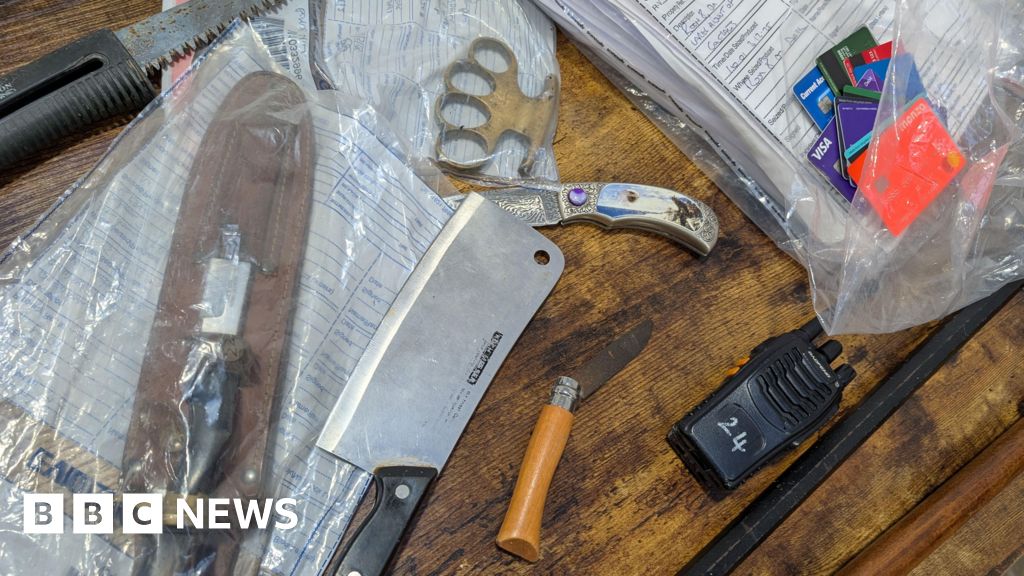
A selection of weapons which have been removed from loan sharks when the Illegal Lending Money Team have carried out raids on suspects' homes. The weapons on the table include a bronze knuckle duster, a meat cleaver, two flick knives, a hunting knife, a garden saw, a crow bar, a samurai sword and multiple bank cards which belong to victims.
*TL;DR: A suspected loan shark was arrested after allegedly extracting up to £750,000 from roughly 200 borrowers, while an estimated 1.9 million people in Great Britain rely on illegal money lenders.
Context The Illegal Money Lending Team (IMLT) of England and Wales depends on public tip‑offs to target unregulated lenders who operate outside the Financial Conduct Authority (FCA) framework. Since the Covid pandemic, many sharks have migrated to social‑media platforms, offering quick cash in exchange for personal documents and threatening violence when repayments lag.
Key Facts - Police arrested a suspect believed to have taken £750,000 from about 200 victims. The raid in Bristol yielded passports, jewellery and other control items used to intimidate borrowers. - The IMLT logged 597 reports to its Stop Loan Sharks service in the past year, resulting in 33 arrests and six convictions. Building a case can take months, so many suspects receive cease‑and‑desist notices instead of prosecution. - Fair4All Finance estimates 1.9 million Britons used an illegal money lender in a 12‑month period, far exceeding the number of identified operators. - Victim Sarah (name changed) described a text: “I want it now or you are gonna be hurt.” She borrowed £50, was promised a £100 repayment, and ultimately paid £20,000—more than the original loan. - Lenders demand utility bills, driving licences and screenshots of online banking, then use the data to locate borrowers, seize passports and apply pressure.
What It Means The £750,000 haul illustrates the scale of profit that unregulated lenders can generate from a relatively small pool of victims. With 1.9 million people already exposed, the market remains ripe for exploitation, especially as online channels lower the barrier to entry for new sharks. The low conviction rate—six convictions from 33 arrests—suggests that law‑enforcement resources are stretched and that many cases stall before reaching court.
For investors, the situation underscores regulatory risk for fintech firms that operate in the short‑term credit space. Companies listed on the London Stock Exchange such as HSBC (HSBA.L) and Barclays (BARC.L) have seen their share prices react to broader credit‑risk concerns; HSBC fell 1.2 % after a parliamentary hearing on illegal lending, while Barclays rose 0.8 % on news of tighter FCA enforcement.
Looking ahead, watch for increased FCA scrutiny of online lenders and potential legislative proposals aimed at expanding the definition of “regulated credit” to cover social‑media‑based offers. Continued public reporting to the IMLT will be crucial in turning tip‑offs into prosecutions and reducing the pool of vulnerable borrowers.
Continue reading
More in this thread
Loan shark intimidation keeps victims silent as hidden debt rises in Britain
David Amara
Modern Threads promoters confirm zero share encumbrance for FY26, stock up 19% YoY
David Amara
Modern Threads promoters declare zero share encumbrance, stock rises 19% YoY
David Amara
Conversation
Reader notes
Loading comments...