Letter Warns Over-Reliance on AI May Weaken Student Brains
A recent letter cautions that letting AI do thinking first could hinder brain development in students, citing how active synapses drive learning.
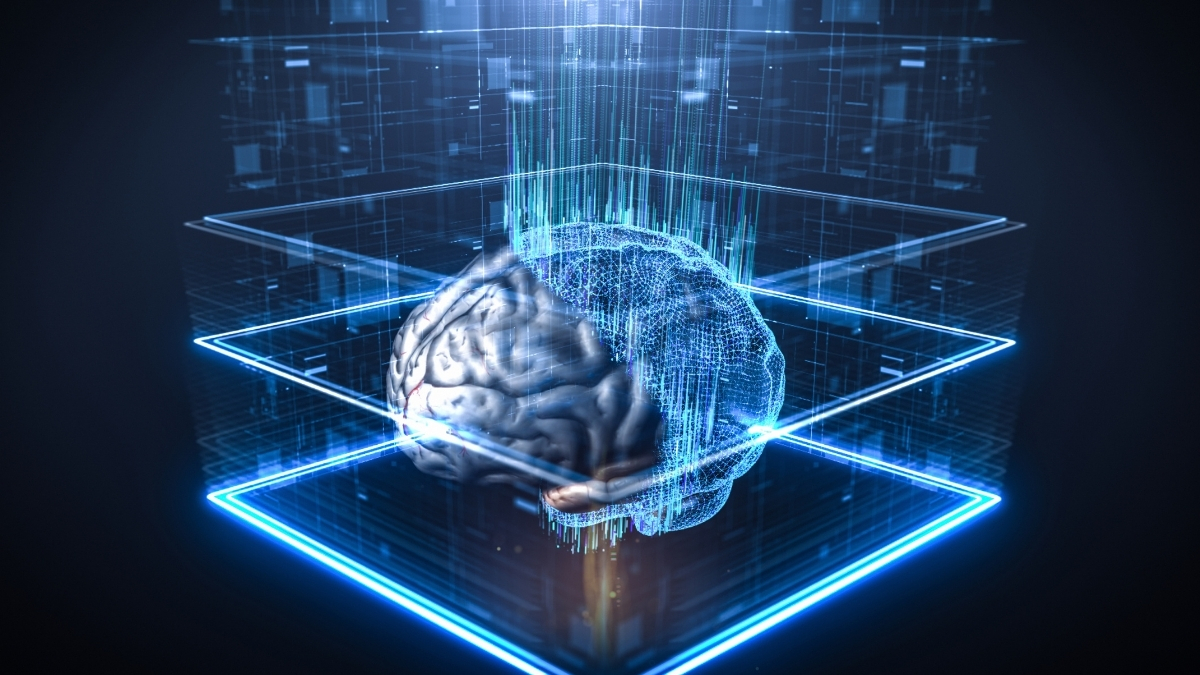
TL;DR
Over‑reliance on AI for initial thinking may reduce the brain’s natural workout, potentially weakening learning capacity. Active synapses and neuroplasticity are essential for forming new knowledge.
Context
The letter, published in a Nigerian outlet, argues that when students let AI solve problems before engaging their own minds, they miss the mental exercise that shapes neural pathways. It warns that this habit could impair cognitive development over time.
Key Facts
- Synapses, the junctions between neurons, are active whenever we learn. - Learning depends on the brain’s ability to reorganize itself by forming new connections and strengthening existing ones—a process known as neuroplasticity. - The letter quotes the claim: “Relying on AI to think for us first can weaken our brains.” No specific RCT, cohort, or meta‑analysis was cited in the letter; the warning rests on established neuroscience principles rather than new experimental data.
What It Means
If students consistently outsource initial thinking to AI, they may receive less stimulation of the synaptic activity that underlies skill acquisition and adaptability. Educators and parents might consider balancing AI use with tasks that require students to generate answers first, thereby preserving the brain’s natural learning workout. Future research could examine whether controlled AI‑assisted learning affects measurable cognitive outcomes in large student cohorts.
What to watch next: Longitudinal studies tracking students’ problem‑solving habits and academic performance as AI tools become more prevalent in classrooms.
Continue reading
More in this thread
FDA and CDC Halt Vaccine Safety Study Releases Amid Transparency Pledge
Dr. Priya Sharma
Stanford AI ‘Virtual Lab’ Generates 92 COVID Nanobodies in Days, Mirrors Merck Cancer Find
Dr. Priya Sharma
FDA and CDC Suppressed Vaccine Efficacy Studies, Documents Show
Dr. Priya Sharma
Conversation
Reader notes
Loading comments...