Lebanon’s Liberation Day Marked by Subdued Celebrations Amid Displacement and Rising Death Toll
Liberation Day in Lebanon was marked by low-key events as over 1.2 million people remain displaced and Israeli attacks have killed more than 3,100 since March, despite a U.S.-brokered ceasefire extending into early July.
TL;DR
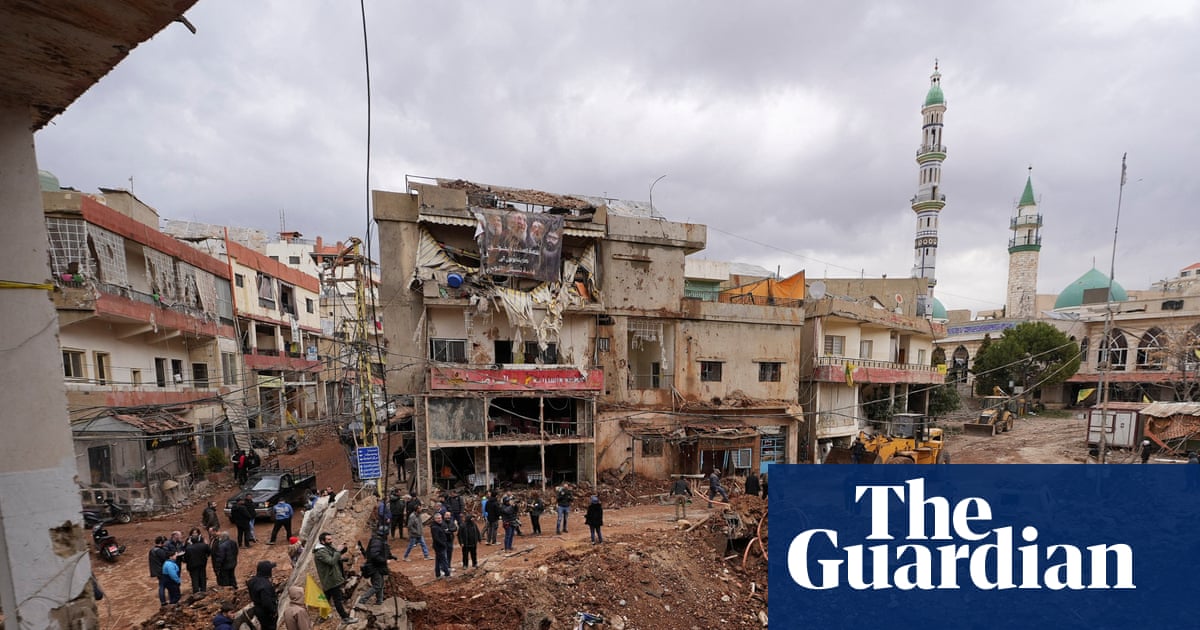
Lebanon’s Liberation Day celebrations were subdued as more than 1.2 million people remain displaced and Israeli attacks have killed over 3,100 since March. A ceasefire announced by U.S. President Donald Trump on April 16, extending into early July, has reduced violence in Beirut but fighting continues in the south.
Context
Liberation Day marks the 2000 withdrawal of Israeli forces from southern Lebanon after an 18‑year occupation. For 26 years the day has been a national holiday celebrating victory, pride and dignity.
This year, many Lebanese fear a new occupation is taking hold as Israeli ground forces remain in five southern points and displacement continues. The displacement has strained public services, with shelters reporting shortages of food, water and medical supplies.
Key Facts
Lebanon’s Ministry of Public Health reports that Israeli forces have killed 3,151 people in Lebanon since March 2. Over 1.2 million people have been displaced from their homes, mainly from southern Lebanon and Beirut’s southern suburbs. On April 16, President Donald Trump announced a ceasefire that was extended into early July, which has eased attacks on Beirut and its suburbs while assaults in the south persist.
What It Means
The continued displacement and casualty toll undermine the symbolic meaning of Liberation Day for many citizens. President Joseph Aoun used the occasion to reaffirm the goal of a full Israeli withdrawal, while Prime Minister Nawaf Salam said the holiday will not be celebrated until that goal is met.
Hezbollah’s leader Naim Qassem rejected direct talks with Israel, urging national dialogue and warning that the government should resign if it cannot protect sovereignty.
The split between the government’s push for negotiations and Hezbollah’s preference for indirect channels highlights internal tension over how to end the violence.
International observers have warned that prolonged displacement could deepen Lebanon’s economic crisis, which already faces high inflation and unemployment.
What to watch next
Observers will monitor whether the ceasefire holds through early July, whether displaced families can return safely, and if any breakthrough emerges from the ongoing indirect talks between Lebanon and Israel.
Continue reading
More in this thread
Russian Missile Strike Wipes Out Half of Kyiv's Chernobyl Museum Collection
Nadia Okafor
US Strikes Southern Iran While Tehran Restores Internet and Sends Envoys to Qatar
Nadia Okafor
U.S.-Iran Talks Stall, Toddler Struck on Beach, Denver Turf Heads to World Cup
Nadia Okafor
Conversation
Reader notes
Loading comments...