Labour Secures 46‑Seat Majority on Ealing Council, Control Until 2030
Labour captured 46 of 70 seats in Ealing Council, securing control until 2030 after a 43.5% turnout.
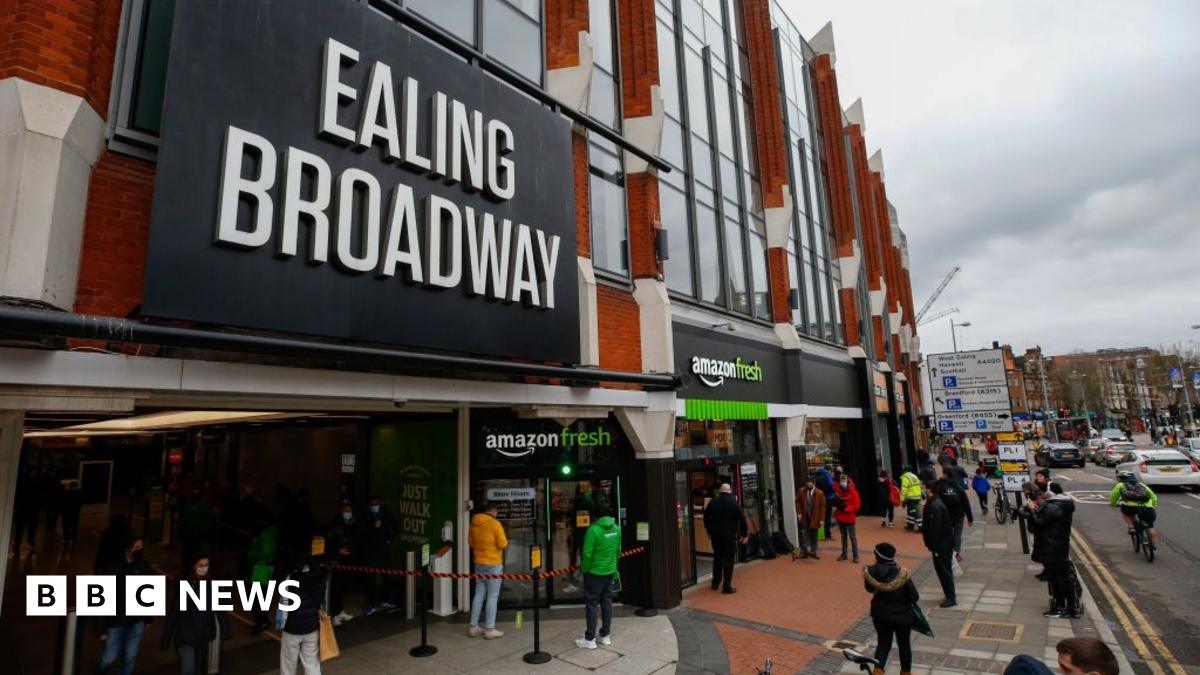
An Amazon Fresh cashierless convenience store in the Ealing area, on a busy shopping street.
TL;DR: Labour captured 46 of 70 seats on Ealing Council, securing a majority that will last until 2030.
Context The May 7 local elections determined the political composition of Ealing’s 70‑member council. Voter participation reached 43.5% of the 250,275 registered electors, a modest turnout that nonetheless produced a decisive result.
Key Facts - Labour secured 46 seats, surpassing the 36‑seat threshold needed for an outright majority. - The opposition consists of 13 Liberal Democrat councillors, 5 Conservatives, 5 Greens, and 1 Independent. - All 70 seats were filled across 22 three‑councillor wards and 2 two‑councillor wards. - The council’s responsibilities include adult social care, education, housing, waste collection, parks, libraries and leisure facilities.
What It Means With a clear majority, Labour will set the strategic agenda for the borough for the next four years. The party can now drive policy on housing development, school funding and environmental initiatives without needing coalition support. Opposition parties retain a combined 19 seats, enough to challenge specific proposals but insufficient to block Labour’s overall programme.
The Liberal Democrats, holding the second‑largest bloc, may focus on influencing decisions in areas where Labour seeks cross‑party backing, such as climate action and transport. The five Green councillors could leverage their position to push for greener public services, while the Conservatives and the lone Independent will likely concentrate on fiscal scrutiny and local issues.
Low turnout highlights a persistent disengagement among voters, a factor the new administration may need to address through community outreach and transparent decision‑making. The council’s next full election is scheduled for 2026, with the current term ending in 2030.
Looking ahead, watch how Labour’s majority shapes budget allocations for housing and social care, and whether opposition parties can sway key votes on climate and transport policies.
Continue reading
More in this thread
Conversation
Reader notes
Loading comments...