Labour Falls Short of Majority on Exeter Council After 14‑Year Rule
Labour drops to 18 seats, two shy of a majority, as Greens rise to 10 seats on Exeter City Council, ending a 14‑year Labour rule.
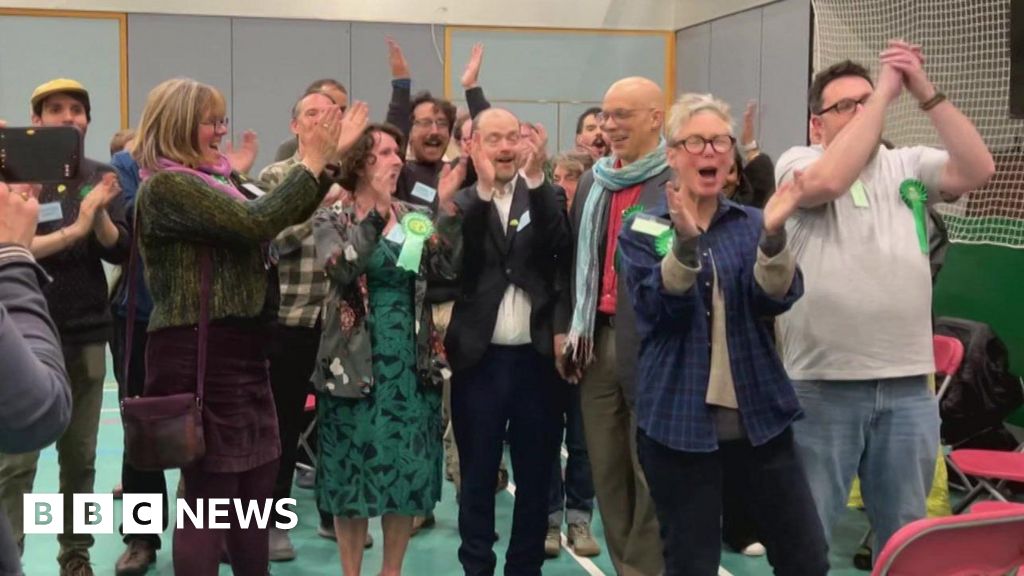
Green Party members celebrate at the Exeter local election count.
TL;DR: Labour lost overall control of Exeter City Council, falling to 18 seats, while the Green Party surged to 10 seats, becoming the second‑largest group.
Exeter voters reshaped the council on 4 May, ending Labour’s 14‑year hold on the authority. The party remains the largest single group but now sits two seats short of the 20 needed for a majority.
Labour’s tally slipped from 23 to 18 seats, a loss of five councillors compared with the 2022 election. The Green Party captured three additional seats, lifting its total to 10 and overtaking the Liberal Democrats, who now hold five seats after a modest gain.
Reform UK retained three seats, the Conservatives fell to a single seat, and independents stayed at two. The Greens secured victories in Newtown and St Leonards, Pennsylvania, and St Thomas, while holding onto Heavitree and St David’s.
In St Thomas, Green candidate Jack Reed unseated deputy leader Laura Wright, who fell to fourth place behind Liberal Democrat and Reform contenders. Reed credited door‑to‑door canvassing in the ward’s lower area, traditionally strong for the Greens.
Labour held onto four wards—Alphington, Exwick, Pinhoe and Topsham—providing a base for the party’s continued influence. Group leader Philip Bialyk described the result as “reasonable confidence” and signalled Labour will propose leadership arrangements at the council’s annual meeting on 20 May.
The shift reflects a broader realignment in Exeter politics, where environmental concerns and local issues have boosted Green support. The party’s rise positions it to negotiate power‑sharing agreements, potentially shaping policy on housing, transport and climate action.
What to watch next: coalition talks ahead of the May 20 meeting will determine who steers Exeter’s agenda, and whether the Greens can leverage their gains into executive influence.
Continue reading
More in this thread
Hull Labour Leader Calls for Starmer’s Resignation After Local Election Defeat
Nadia Okafor
Reform UK Wins Six Seats as Turnout Varies Across Epping Forest Wards
Nadia Okafor
Reform UK Secures Majority of Seats in Epping Forest District Council Election Amid Mixed Turnout
Nadia Okafor
Conversation
Reader notes
Loading comments...