Kelp Farmer Faces Storm Losses While Pitching Seaweed as America’s Next Lobster Roll
Storms cut up to half of a Connecticut kelp farm's harvest, but founder Suzie Flores still sees seaweed becoming America's next lobster roll.
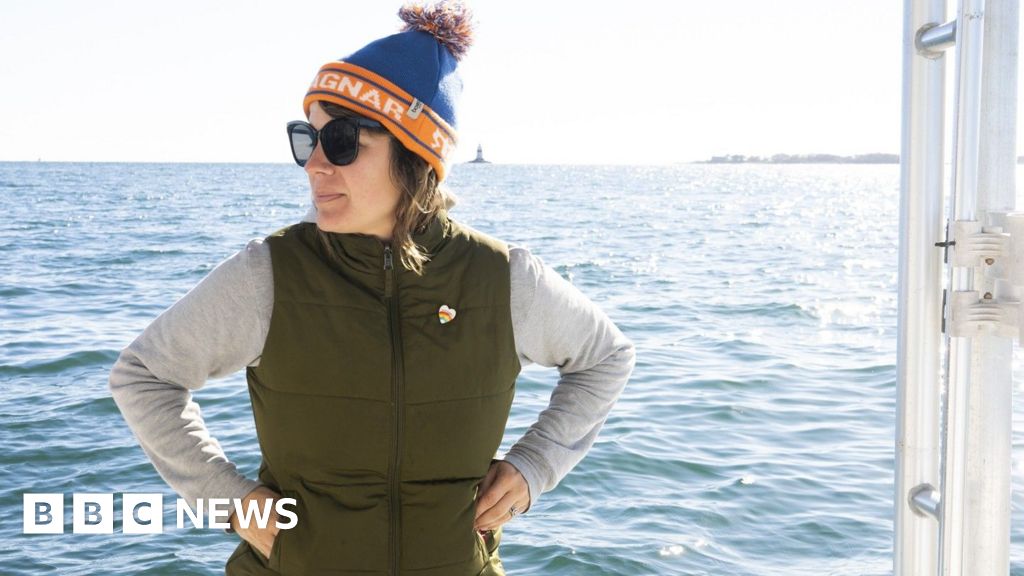
Kelp farmer Suzie Flores sitting on her boat
TL;DR
Storms wiped out 40‑50% of Suzie Flores’ kelp harvest, yet she believes seaweed will become America’s new lobster roll.
Context Suzie Flores left a Manhattan publishing job to grow sugar kelp off Connecticut’s coast. Operating from a modest marina in Stonington, she now supplies high‑end New England restaurants with a crop that arrives weeks before any land‑based vegetable.
Key Facts - The United States imports more than 90% of its seaweed, mainly from Asian producers with centuries‑old farming traditions. - Flores estimates the recent winter storms destroyed 40–50% of her crop, adding to the typical 30% loss that kelp growers already expect. - Despite the shortfall, her farm sold out because the reduced volume matched the limited market demand. - Chef David Standridge of The Shipwright’s Daughter describes the sugar kelp’s “crunchy, light, salty and briny” profile as a versatile, ocean‑forward flavor that complements New England cuisine. - Flores says kelp could be “the lobster roll of the future,” positioning it as a sustainable, locally sourced protein alternative.
What It Means The heavy reliance on imports highlights a gap in domestic seaweed supply chains. Flores’ experience shows that even small‑scale farms can meet niche demand, but scaling up will require better processing infrastructure and broader consumer acceptance. Storm‑related losses underscore the need for resilient farming designs, such as stronger moorings or offshore locations less prone to ice damage. If growers can mitigate these risks, seaweed could reduce pressure on overfished lobster stocks while delivering environmental benefits like nitrogen absorption and habitat creation.
Looking Ahead Watch for policy incentives and private investment aimed at expanding U.S. kelp farms, and for chefs’ menus that increasingly feature seaweed as a staple rather than a novelty.
Continue reading
More in this thread
Conversation
Reader notes
Loading comments...