Karex to Raise Condom Prices Up to 30% as Iran War Disrupts Raw Material Supplies
The world's largest condom maker, Karex, will increase prices by up to 30% due to Iran conflict-related supply chain issues and a 30% rise in demand.
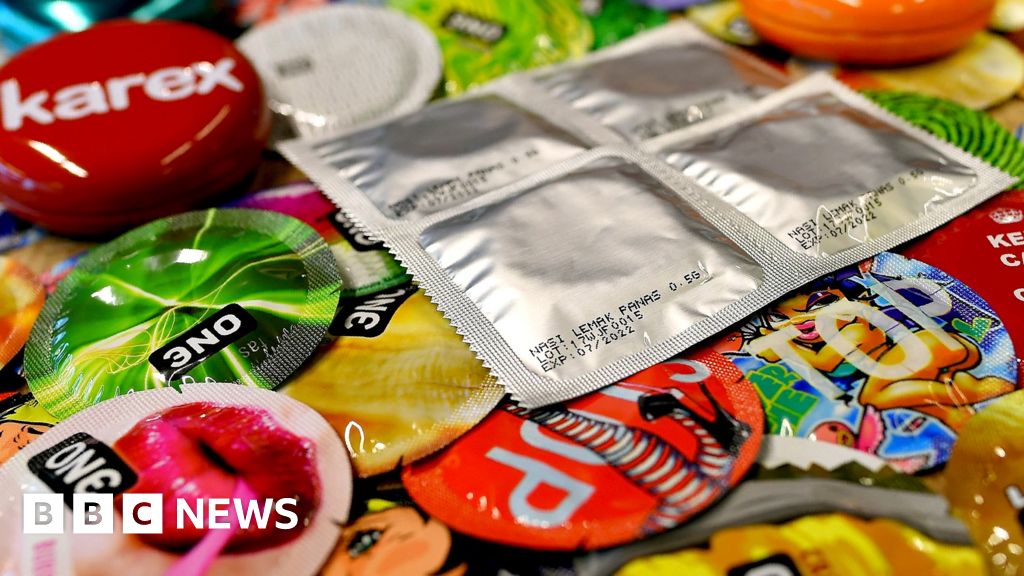
Packs of flavoured condoms are seen at the Malaysian condom-maker Karex Industries headquarters in Port Klang in September 2017.
Karex, the world's largest condom manufacturer, plans to increase prices by up to 30% due to supply chain disruptions caused by the Iran conflict and rising demand. This adjustment reflects escalating costs for raw materials and freight.
The ongoing conflict involving Iran has significantly disrupted global supply chains, affecting various industries. A key choke point, the Strait of Hormuz, has experienced disruptions, impacting the flow of approximately one-fifth of the world's crude oil and liquified natural gas, alongside other vital petrochemicals. Karex relies on oil-derived materials, including ammonia, essential for preserving latex, and silicone-based lubricants, directly impacted by these supply chain issues. This situation parallels price increases seen in airfares, fertilizers, and bottled water, all linked to rising transport costs and material shortages.
Karex announced it will increase condom prices by up to 30%, potentially more, in response to these ongoing disruptions. Production costs have sharply risen, driven by the conflict's impact on raw material availability. The company produces over five billion condoms annually, supplying major global brands such as Durex and Trojan, and public health systems including the UK's NHS. Condom demand has also grown by approximately 30% this year. This increased demand, combined with higher freight costs and shipping delays, exacerbates existing supply pressures.
Consumers will likely see these price increases reflected in retail prices, extending the economic impact of the Iran conflict beyond energy markets. The situation highlights how geopolitical events can quickly translate into higher costs for everyday goods. Observers should monitor the Strait of Hormuz's stability and raw material pricing for shifts in production costs and market availability.
Continue reading
More in this thread
Northern Oil and Gas Q1 2026 Earnings Seen at 80 Cents Share, Revenue $523.5M Amid Rising Costs
Elena Voss
MPA and SSA Launch AI Push for Singapore Maritime Sector with 21‑Company Pilot Training
Elena Voss
Tim Cook to Step Down as Apple CEO, Remain as Executive Chair to Handle Global Diplomacy
Elena Voss
Conversation
Reader notes
Loading comments...