Jet Fuel Costs Surge 80%, Airlines Cut 9.3 Million Seats and Spirit Shuts Down
Jet fuel prices have risen over 80% since the US‑Israel war on Iran began, forcing airlines to cut 9.3 million seats and causing Spirit Airlines to cease operations.
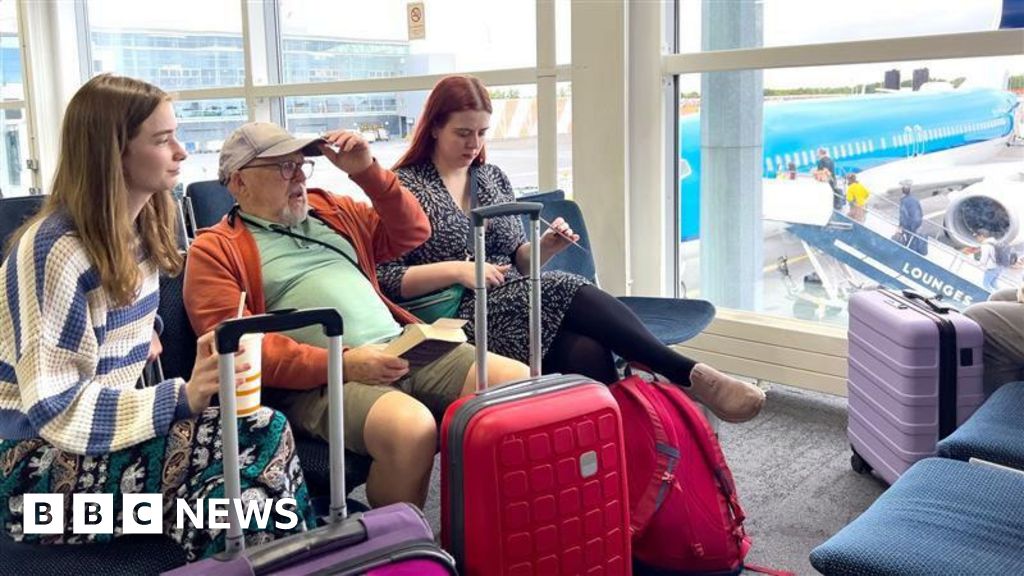
An older man in a baseball cap and an orange unzipped sweater sits between two younger women in an airport waiting area with small luggage trolleys. They're near a window through which a blue plane can be seen.
TL;DR: Jet fuel prices have risen more than 80% since the US and Israel entered the war on Iran, leading airlines to cut 9.3 million seats for the summer and causing Spirit Airlines to announce a permanent shutdown.
The conflict that erupted in late February has sent crude‑derived jet fuel soaring, eroding airline profit margins worldwide. Fuel accounts for roughly 30% of an airline’s operating costs, so an 80% price jump translates into billions of dollars in extra expenses.
Airlines have responded by trimming capacity. Data from aviation analytics firm Cirium shows carriers in the United States, China, Japan, Australia and Europe have collectively removed 9.3 million seats from schedules running June 1 through September 30. The cuts are most severe in the Middle East, where airspace closures after Iranian attacks on Dubai and Doha have already constrained operations.
Qatar Airways alone eliminated two million seats for the June‑October period, while Emirates and Etihad each cut 700,000 and 450,000 seats respectively. The reductions force travelers to confront higher fares; the average international ticket from the U.S. reached $1,101 in late April, a 16% year‑over‑year rise, and domestic fares jumped 24%.
The financial strain proved fatal for budget carrier Spirit Airlines. On Saturday the airline announced it will permanently cease operations, citing unsustainable fuel costs as the primary driver. Spirit’s exit removes a low‑cost option for millions of passengers and underscores how volatile fuel markets can reshape the industry.
For consumers, the immediate impact is fewer flight options and higher prices during the peak summer travel season. Airlines that remain in service are likely to prioritize higher‑margin routes, leaving secondary markets with reduced connectivity. Some travelers are booking earlier to lock in current fares, fearing further hikes.
Looking ahead, the industry will watch fuel price trends closely. If the conflict de‑escalates and oil markets stabilize, airlines may restore capacity. Conversely, prolonged tension could cement a new high‑cost baseline, prompting further consolidation and a reshaping of the low‑cost carrier landscape.
Continue reading
More in this thread
Conversation
Reader notes
Loading comments...