Japanese Crude Tanker Completes Strait of Hormuz Transit Amid Diplomatic Push
A Japan‑operated crude tanker safely crossed the Strait of Hormuz, highlighting Tokyo's diplomatic efforts to keep Gulf oil supplies flowing amid regional tensions.
TL;DR
A Japan‑operated crude tanker cleared the Strait of Hormuz and is slated to arrive in Japan by early June, underscoring Tokyo’s diplomatic drive to keep Gulf oil flowing.
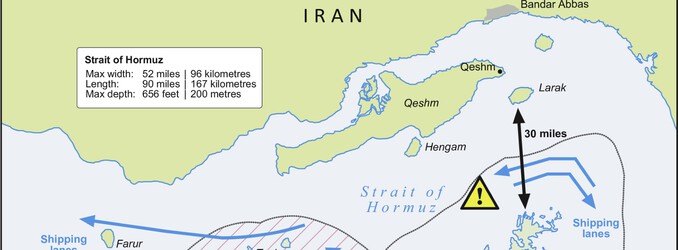
Context The Strait of Hormuz, a narrow waterway linking the Persian Gulf to the Arabian Sea, handles the majority of global oil shipments. Since the outbreak of the U.S.–Israeli conflict in February, geopolitical tensions have disrupted traffic, prompting oil‑importing nations to seek alternative routes and suppliers.
Key Facts - A crude tanker managed by Japan’s largest refiner, Eneos, successfully navigated the strait despite the heightened risk environment. The vessel, flagged in Panama, carried a sizable cargo of crude sourced from Kuwait and the United Arab Emirates. - Eneos confirmed the ship’s safe passage and expects it to dock in Japan in early June. The cargo represents a significant portion of the volume Japan typically imports from the Gulf. - Before the conflict, about 95 % of Japan’s oil imports transited the Strait of Hormuz, highlighting the country’s reliance on Gulf supplies. - The transit marks the second Japan‑linked vessel to cross the waterway since the disruptions began, following a similar passage by the Idemitsu Maru. - Tokyo has intensified diplomatic outreach, maintaining communication with Iran and other regional actors to ensure secure vessel movements while also diversifying its supply base.
What It Means The successful crossing signals that diplomatic channels can still produce tangible results even amid broader geopolitical strain. For Japan, the tanker’s arrival will help narrow the gap created by earlier supply shocks and support refinery operations that depend on steady crude inflows. The episode also illustrates the limits of supply‑chain diversification; despite exploring alternative sources, Japan continues to depend heavily on Gulf oil, as reflected by the 95 % transit figure.
Looking ahead, analysts will monitor whether additional Japan‑linked tankers can repeat this passage and how Tokyo’s diplomatic engagement with Iran evolves. The ability to maintain a reliable flow of Gulf crude will remain a key indicator of Japan’s energy security strategy in a volatile region.
Continue reading
More in this thread
Conversation
Reader notes
Loading comments...