Japan Deploys Long-Range Missiles to Kumamoto as Defence Budget Hits Record $58bn Amid Growing US Doubt
Japan deploys long-range missiles to Kumamoto, boosting its defense capabilities with a record $58 billion budget, amid growing public doubt about US security commitments.
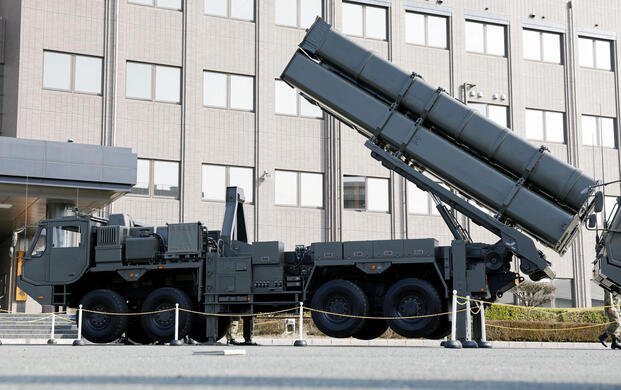
Japan Deploys Its First Long-Range Missiles
TL;DR
Japan has deployed long-range missiles to Kumamoto Prefecture, expanding its defense capabilities as its budget reaches a record $58 billion for fiscal year 2026. This escalation occurs as a significant majority of Japanese citizens express doubts about US military support in a crisis.
Japan is strategically strengthening its 'southern shield' amid a complex security environment. This strategy focuses on the nation’s southwest islands, a critical area dividing the East China Sea from the Philippine Sea. The buildup represents a significant shift in Japan's post-war defense posture.
In late March, Japan deployed long-range missiles to Kumamoto Prefecture. These installations provide Japan with the capability to strike targets in China. The nation's defense budget reached a record $58 billion for fiscal year 2026, marking a substantial investment in these evolving capabilities. These developments coincide with a 2025 Asahi Shimbun survey finding that 77% of Japanese respondents doubt the United States would defend Japan in a military crisis.
The deployment of long-range missiles by Japan signifies an enhanced self-reliance in regional security. This move expands Japan’s capacity for deterrence and response. The increased defense spending and public skepticism regarding US commitment underscore Japan's active re-evaluation of its security needs. Regional stability will depend on how these new capabilities are integrated into broader Indo-Pacific defense architectures. What to watch next is how this expanded capability impacts diplomatic relations and military postures in East Asia.
Continue reading
More in this thread
Virginia Judge Blocks Certification of Congressional Map Referendum, Citing Unconstitutionality
Nadia Okafor
Ghana Summons South Africa Envoy After Telling Ghanaian Migrant to 'Fix His Country'
Nadia Okafor
Dallas Police Overhaul ICE Cooperation After Abbott’s $90 Million Funding Threat
Nadia Okafor
Conversation
Reader notes
Loading comments...