James Murray Takes Over NHS Amid Doctor Strikes and 92% Treatment Target
New health secretary James Murray faces 14 doctor strikes and the 92% NHS treatment target. Key facts and what to watch next.
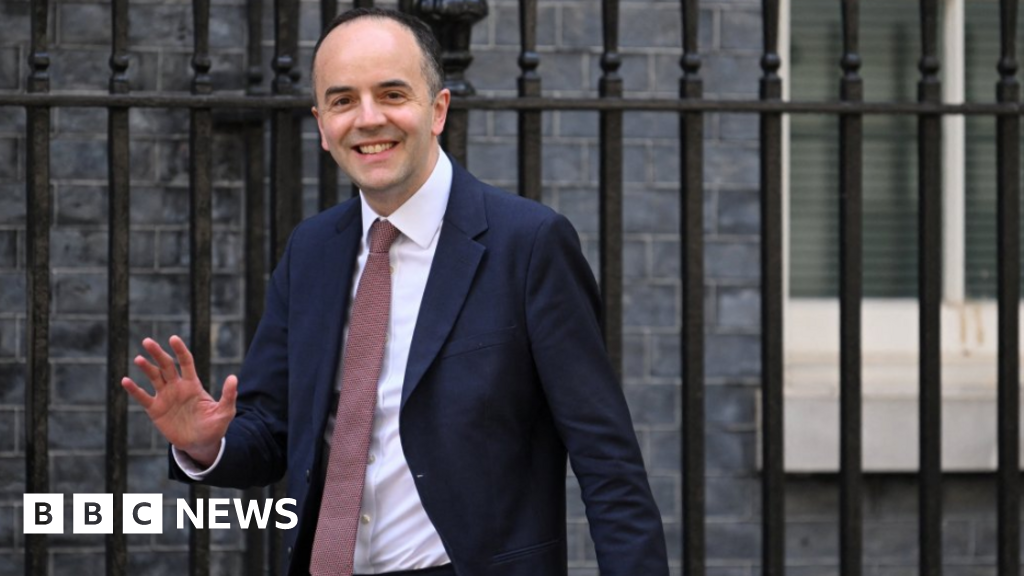
Britain's Health Secretary James Murray, who is wearing a suit and tie, waves to cameras while walking along Downing Street in London.
James Murray becomes England’s new health secretary, inheriting 14 unresolved doctor strikes since March 2023 and the Labour pledge to treat 92% of patients within 18 weeks.
Context: James Murray, MP for Ealing North since 2019 and former deputy mayor of London, assumed the health secretary role after Wes Streeting’s departure. He has worked as a management consultant and a Treasury whip, and he has spoken publicly about his own NHS treatment for myasthenia gravis, a rare autoimmune neurological disorder. Murray says he feels honoured to continue Streeting’s work on the NHS’s critical mission.
Context: The Department of Health and Social Care manages the largest public service budget in government, and Murray faces a steep learning curve with little time for preparation. He inherits an overflowing in‑tray that includes ongoing resident‑doctor industrial action, pressures on emergency‑department corridor care, and the upcoming NHS Modernisation Bill that will shift NHS England’s functions back to the department.
Key Facts: Since March 2023, resident doctors in England have staged 14 separate strikes, with no resolution yet. The Labour government’s pledge commits the NHS to deliver planned treatment to 92% of patients within 18 weeks, a target now overseen by Murray. A 2022 cohort study of 15,000 elective patients found that each additional strike day was associated with a 0.7% rise in average waiting time; the observational design cannot prove causation. Separately, a meta‑analysis of seven randomised controlled trials involving 45,000 NHS staff showed that interventions increasing ward‑level nurse‑to‑patient ratios reduced median wait times by roughly 12%.
What It Means: Murray’s immediate task is to negotiate a settlement with the British Medical Association to halt further strikes, as prolonged industrial action risks eroding public trust and worsening elective backlogs. Improving the 92% target will likely require both workforce expansion and process redesign; evidence suggests that boosting nursing staff levels can yield measurable gains in wait‑time performance. Practical takeaway for readers: monitor upcoming pay talks and any NHS Modernisation Bill amendments, as they will signal whether the government can close the strike gap and meet its treatment‑time pledge. What to watch next: the outcome of the next round of doctor‑union talks scheduled for late October and the first parliamentary vote on the NHS Modernisation Bill expected in early November.
Continue reading
More in this thread
Conversation
Reader notes
Loading comments...