Jaishankar Warns Unilateral Sanctions Hurt Developing Nations, Calls for Gaza Ceasefire at BRICS
At the BRICS foreign ministers’ meeting, Jaishankar criticized unilateral sanctions, warned West Asia threats to shipping and energy, and urged a Gaza ceasefire and universal zero‑tolerance on terrorism.
TL;DR
Jaishankar criticized unilateral sanctions, warned West Asia tensions threaten shipping and energy, and urged a Gaza ceasefire and universal zero‑tolerance on terrorism at the BRICS foreign ministers’ meeting.
Context
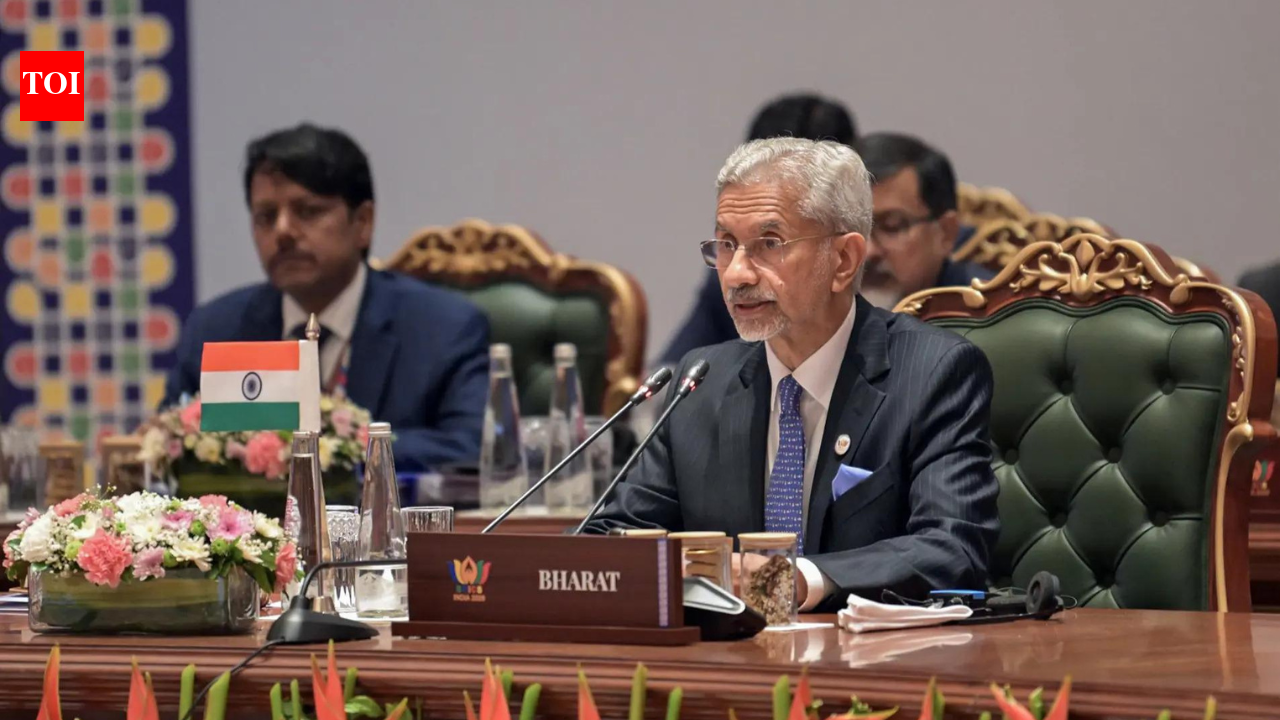
India’s External Affairs Minister S. Jaishankar spoke at the opening of the BRICS foreign ministers’ conclave in New Delhi. He framed his remarks around the risks posed by coercive measures that bypass international law and the widening conflict in West Asia.
The meeting brought together counterparts from Iran, Russia, Brazil, Indonesia and South Africa. The gathering comes amid rising global concerns over energy supply disruptions linked to the conflict.
Key Facts
Jaishankar said unilateral coercive measures disproportionately harm developing nations and cannot replace dialogue or diplomacy. He added that such measures hurt the most vulnerable economies while failing to substitute for negotiation.
He warned that the West Asia conflict threatens maritime traffic and energy infrastructure, highlighting regional fragility. He stressed that uninterrupted movement through the Strait of Hormuz and the Red Sea is essential for global economic stability.
Jaishankar stated that cross‑border terrorism breaches international relations principles and that zero tolerance for terrorism must be universal. He called the norm uncompromising and applicable to all states.
He emphasized that addressing these challenges requires coordinated action among BRICS members, noting that divergent national interests should not impede collective security.
Such coordination could shape future BRICS statements on global governance.
What It Means
The minister’s comments signal India’s push for a multilateral approach that favors diplomacy over punitive sanctions. By linking sanctions, maritime security and terrorism, he ties economic stability to political solutions in the Middle East.
His call for a sustained Gaza ceasefire and a two‑state solution reflects New Delhi’s effort to balance relations with competing powers.
Watch for how BRICS members respond to these proposals and whether any joint statements emerge on sanctions reform or maritime security in the coming weeks.
Continue reading
More in this thread
Macron backs African-led solutions as UN, AU, EU leaders meet in Addis Ababa to push UNSC reform
Nadia Okafor
UK Government Replaces Palantir Refugee System with In‑House Tech, Saving Millions
Nadia Okafor
Xi Warns Trump Taiwan Misstep Could Lead to US‑China Conflict
Nadia Okafor
Conversation
Reader notes
Loading comments...