Israeli strikes kill over 3,100 in Lebanon, including 123 medics, as war‑crime probes stall
Over 3,111 killed in Lebanon since March, including 123 medics; 88% of Israeli war‑crime probes unresolved as cease‑fire talks continue.
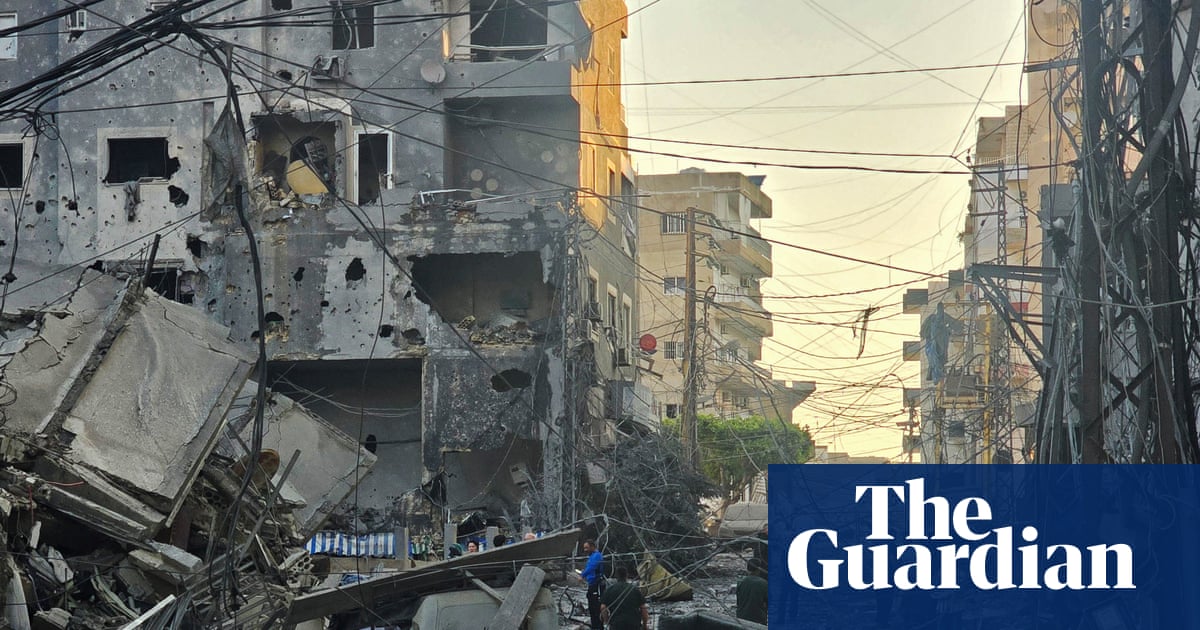
TL;DR: Israeli attacks have killed more than 3,111 people in Lebanon since fighting resumed on March 2, with 817 deaths occurring after a cease‑fire took effect. Among the dead are 123 medical workers, and Israeli probes into alleged war crimes remain unresolved in about 88 % of cases.
Context
Israel has launched repeated air and artillery strikes across southern Lebanon and the Bekaa valley since a US‑brokered cease‑fire was announced in April. The strikes have hit residential neighborhoods, roads, and health facilities, often following evacuation orders that many civilians say they could not obey safely. Hezbollah has continued to fire rockets and deploy low‑cost, first‑person‑view drones against Israeli positions, keeping the front line active despite the truce.
In the Bekaa valley, Israeli forces have targeted what they describe as underground weapons sites, releasing video footage of the strikes. The rugged terrain has made it difficult for either side to fully control the area, leading to repeated rounds of bombardment and counter‑attacks. Lebanese officials have reported damage to several hospitals, including the Tebnine public hospital, which was hit on Thursday and left staff injured.
Key Facts
The Lebanese health ministry says that over 3,111 people have died in the clashes that began on March 2, with 817 of those deaths recorded after the cease‑fire came into force. This figure includes civilians, fighters, and medical personnel.
Israeli forces have killed 123 medics in southern Lebanon, a number that encompasses paramedics, civil‑defence workers, and a photojournalist who also served as a medic.
Investigations by the Israeli military into alleged war‑crime incidents are closed or left unresolved in 88 % of the cases where the army said it would examine the allegations. The unresolved cases cover a range of incidents, from strikes on residential buildings to attacks on medical convoys. No official timeline has been given for when or if these investigations will be reopened.
What It Means
The high number of medical workers killed raises questions about the observance of protections afforded to health workers under international humanitarian law. Organizations such as the World Health Organization have noted that several hospitals in southern Lebanon have been damaged or put out of service by Israeli strikes. The pattern suggests that medical infrastructure is repeatedly affected, regardless of warnings or claimed precautions.
The low resolution rate of war‑crime probes points to limited accountability, which could influence the credibility of any future cease‑fire agreement. Negotiators in Washington‑brokered talks are seeking a full cessation of hostilities and Israeli withdrawal from occupied southern Lebanese territory, while Israel demands Hezbollah’s disarmament before pulling back.
Observers will watch whether the diplomatic process yields a durable truce that stops strikes on medical sites and whether Hezbollah’s continued use of drones prompts new Israeli counter‑measures.
Continue reading
More in this thread
Spencer Pratt’s AI‑Driven Mayor Bid Spotlights LA’s Homeless and Insurance Strains
Nadia Okafor
Senate Committee Advances Bill to End Widow Remarriage Penalty for Veterans' Survivors
Nadia Okafor
Alan Milburn Labels Youth Benefit Spending 'Shameful' as 25:1 Ratio Exposed
Nadia Okafor
Conversation
Reader notes
Loading comments...