Israeli Strikes Kill 19 in Lebanon as US‑Brokered Ceasefire Falters
At least 19 civilians died in Israeli attacks across Lebanon despite a third‑week US‑brokered ceasefire, raising concerns ahead of renewed negotiations.
TL;DR
At least 19 Lebanese civilians were killed in Israeli strikes on Saturday, underscoring the fragility of the U.S.-brokered ceasefire now in its third week.
Context The United States has been mediating a ceasefire between Israel and Lebanon since early May, aiming to halt hostilities that began with Israel’s March 2 invasion of southern Lebanon. The truce entered its third week amid diplomatic pressure for both sides to restrain fire.
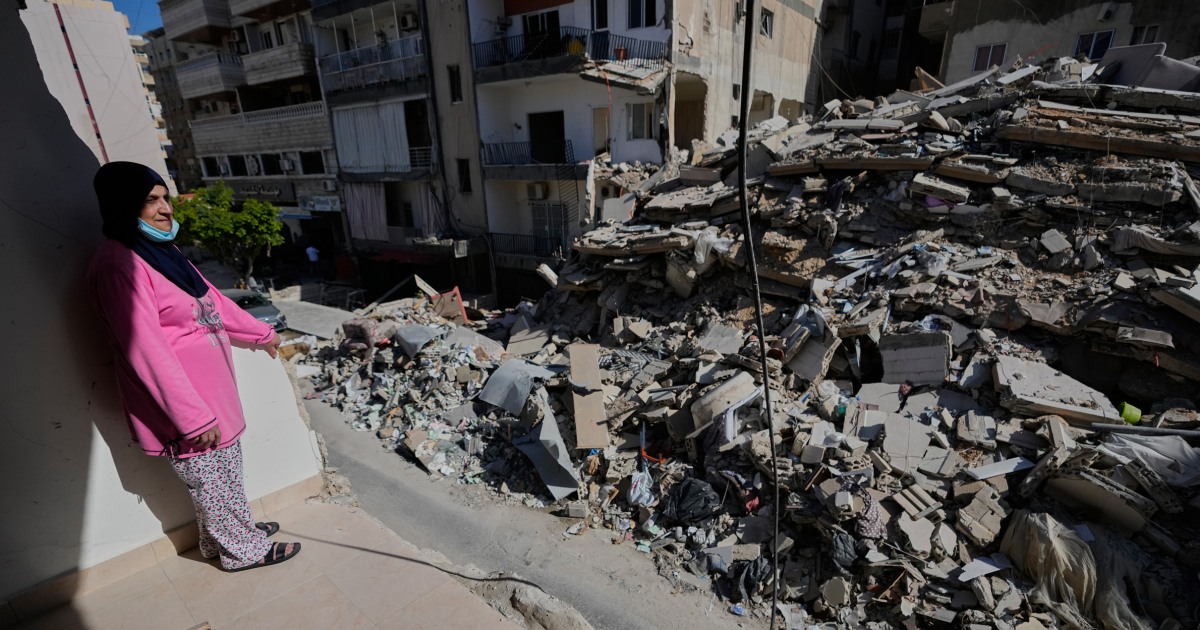
Key Facts - Israeli air and artillery attacks across southern Lebanon killed seven people, including a child, and wounded 15 in the town of al‑Saksakieh, according to the Lebanese Ministry of Public Health. Three of the injured were also children. - Additional strikes in Nabatieh, Nahrain, Saadiyat, Haboush and Mefdoun accounted for the remaining deaths, bringing the day’s toll to 19. - Since April 16, Israeli forces have killed nearly 500 people, pushing the overall death count from the conflict that began on March 2 to more than 2,750, per Lebanon’s Health Ministry. - The Israeli army issued new forced‑displacement orders for several southern towns, maintaining a buffer zone that blocks the return of hundreds of thousands of displaced residents and demolishing houses within it. - Hezbollah, excluded from the U.S. talks, continued artillery and drone attacks on Israeli positions, while Israel reported intercepting multiple projectiles and explosive drones that entered its territory. - The United States announced a second round of negotiations for May 14‑15, despite Lebanese demands that Israeli strikes cease before any dialogue.
What It Means The renewed fatalities reveal that the ceasefire lacks on‑the‑ground enforcement, raising doubts about the efficacy of upcoming U.S. talks. Continued displacement orders and house demolitions suggest Israel is consolidating a security buffer rather than de‑escalating. Hezbollah’s parallel attacks keep the conflict dynamic, complicating any comprehensive settlement that excludes the group. All eyes will turn to the Washington negotiations next week; the ability of diplomats to translate a fragile truce into a lasting security framework will be the next critical test.
*Watch for the outcomes of the May 14‑15 talks and any shifts in Israeli displacement policy that could alter the humanitarian landscape in southern Lebanon.*
Continue reading
More in this thread
Conversation
Reader notes
Loading comments...