Israeli Strikes Kill 14 in Southern Lebanon Amid US‑Brokered Ceasefire
Israeli attacks in southern Lebanon have killed 14 people, violating a U.S.-mediated ceasefire and prompting calls for international pressure on Israel.
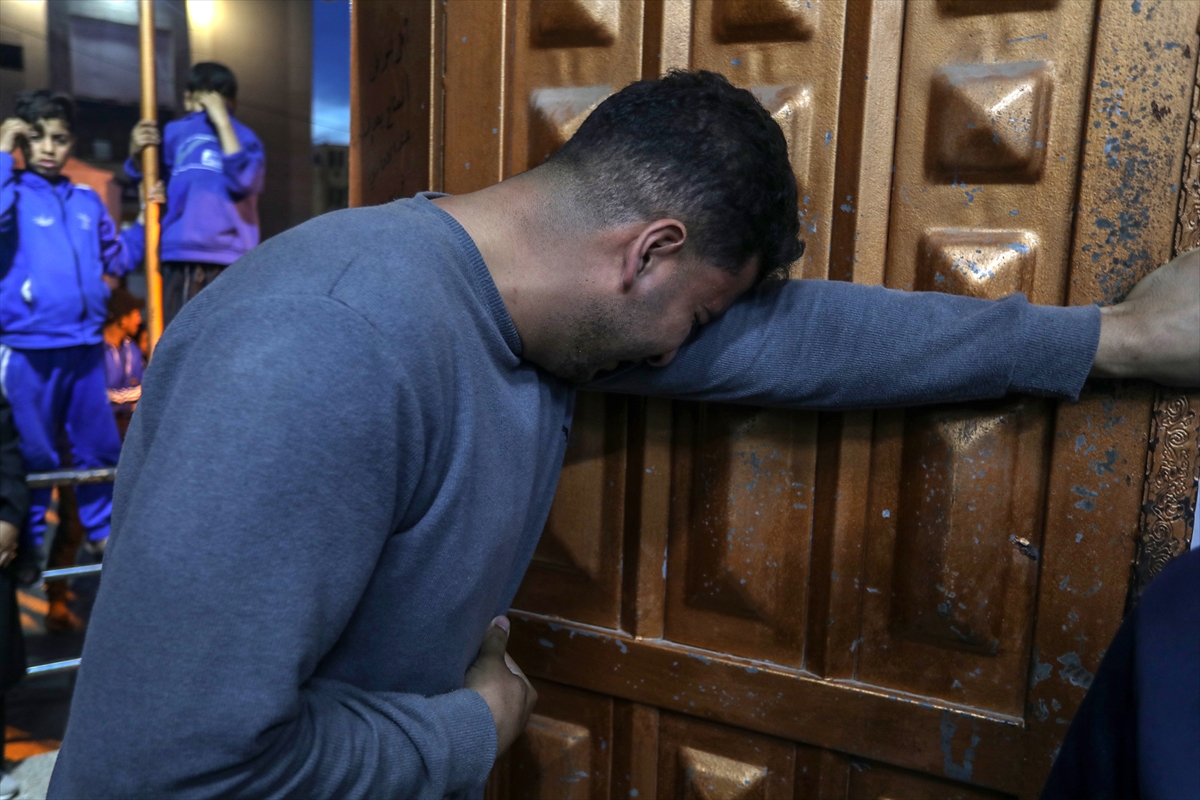
Israel-Lebanon ceasefire extended as death toll hits 2,483 amid ongoing Israeli strikes, journalist killing and regional escalation
TL;DR
Israeli attacks in southern Lebanon have killed 14 people, violating a U.S.-mediated ceasefire and prompting Lebanese President Joseph Aoun to demand pressure on Israel.
Context A temporary ceasefire brokered by the United States took effect on April 17, intended to halt hostilities between Israel and Lebanon. Within days, Israeli artillery and air strikes resumed across the border region, targeting residential areas and displacing civilians.
Key Facts - In the town of Jebchit, an Israeli strike destroyed a residential building, killing three people and wounding seven. - In Toul, a separate attack killed four members of a single family, including a child, and injured six others. - Additional strikes hit Harouf, killing two residents and razing a house. - Overall, the attacks have claimed at least 14 lives and left dozens more injured, according to Lebanon’s National News Agency. - Lebanese President Joseph Aoun condemned the “continuing Israeli violations,” urging the international community to compel Israel to respect international law and stop targeting civilians, paramedics, and humanitarian workers. - Parliament Speaker Nabih Berri called for an international fact‑finding mission to investigate alleged war crimes. - The Israeli military has threatened forced displacement for 15 southern towns, including Jebchit and Toul, while artillery fire continues in Zawtar al‑Sharqiyah, Yohmor al‑Shaqif, and Bayt al‑Sayyad.
What It Means The renewed violence undermines the fragile ceasefire and raises the risk of broader escalation. Lebanese officials are pressing the United States and the United Nations for stronger diplomatic leverage, while Israel maintains that its operations target Hezbollah positions. The next step will be whether international actors can enforce compliance with the ceasefire or whether the conflict will expand beyond the border.
*Watch for diplomatic moves in Washington and New York as the United Nations Security Council convenes to address the ceasefire violations.*
Continue reading
More in this thread
Conversation
Reader notes
Loading comments...