Israeli Attacks Displace 1.2 Million in Lebanon, Killing 2,300
Recent Israeli attacks have displaced over 1.2 million people and killed nearly 2,300 in Lebanon. Civilians face a difficult choice amidst ongoing conflict.
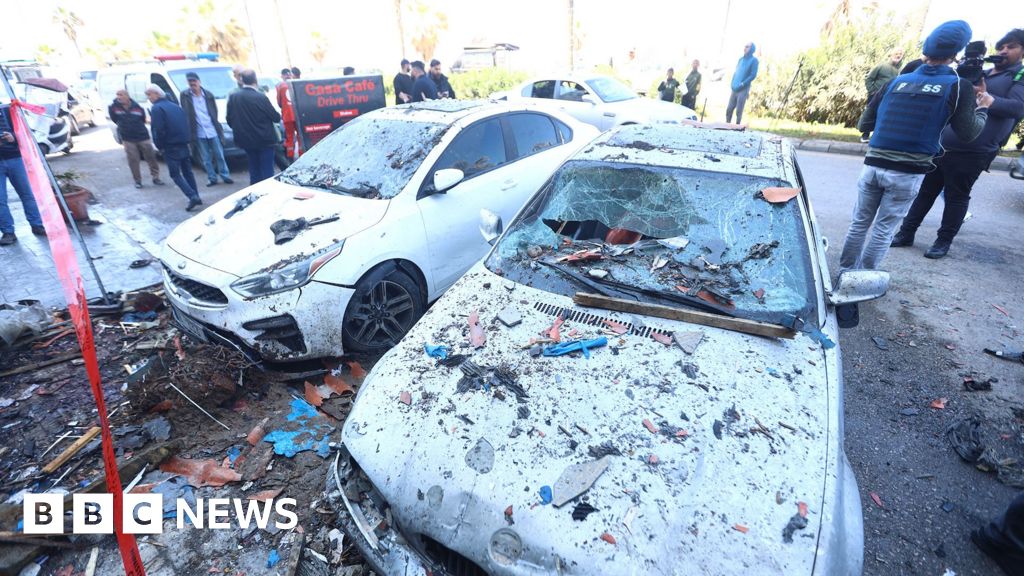
Two damaged cars covered in debris are pictured with crowds of people on the street in the background with rubble all around, after an Israeli missile attack on the coastal road in Sidon on Wednesday.
**TL;DR** Israeli attacks in Lebanon have killed nearly 2,300 people and displaced over 1.2 million, forcing residents to choose between remaining in danger or facing economic hardship and insecurity as evacuees.
### Context Lebanon faces a severe humanitarian crisis. Recent Israeli military actions have prompted mass evacuations, leaving many without basic necessities. The decision to flee home carries significant risks and burdens for over one-fifth of the nation's population.
### Key Facts By mid-April, Israeli attacks in Lebanon had resulted in almost 2,300 deaths over six weeks. This violence triggered widespread displacement across the country. Over 1.2 million Lebanese, more than one-fifth of the total population, were forced from their homes. This marks the second significant displacement event in less than two years.
Evacuation efforts often unfolded in chaos. One resident, Em Saied, described scenes where women fled without head coverings or proper clothing, and elderly people navigated the journey on foot. These accounts highlight the urgent and unplanned nature of the forced evacuations.
Israel issued evacuation demands for approximately 14% of Lebanon, encompassing southern Lebanon, parts of the Bekaa Valley, and Beirut's southern suburbs. International human rights organizations have labeled Israel's displacement of civilians in Lebanon as a possible war crime.
### What It Means The displaced population faces a stark dilemma: stay and risk direct harm or leave and confront deepening poverty. The World Bank notes that displaced communities experience higher rates of multidimensional poverty, linking displacement directly to economic vulnerability. Many residents express a strong emotional attachment to their land, choosing to endure bombardment over the trauma and indignity of displacement. This attachment, combined with fears of long-term separation from their homes, influences difficult decisions during conflict.
As a recently announced ceasefire between Iran and the U.S. remains unclear regarding Lebanon's inclusion, the future of these displaced individuals hangs in the balance. The ongoing situation requires close monitoring to observe the resolution of regional conflicts and their direct impact on civilian populations.
Conversation
Reader notes
Loading comments...