Israel’s Strike Kills Lebanese Journalist Amid Iran-US Talks Stalemate and Naval Blockade
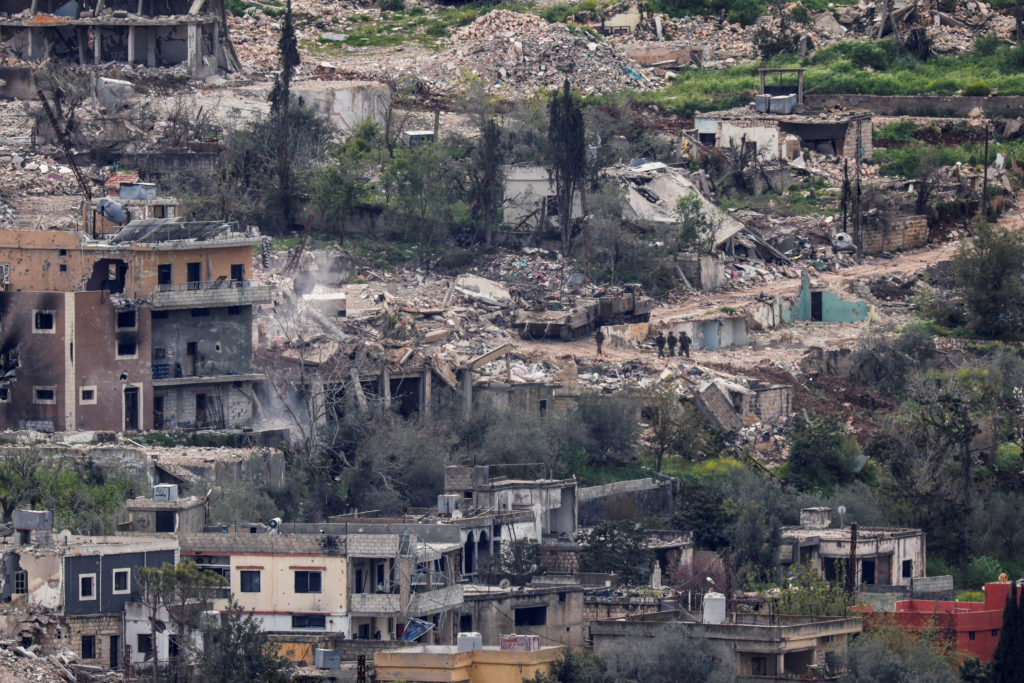
Israeli strikes in Lebanon killed journalist Amal Khalil amid regional tensions. Iran blames a US naval blockade for stalled peace talks, blocking dialogue.
TL;DR
Israeli strikes in Lebanon killed at least five people, including a journalist, significantly escalating regional tensions. This coincides with Iranian officials blaming a United States naval blockade for stalled peace talks.
Context Recent Israeli military actions in Lebanon have resulted in multiple fatalities, intensifying an already volatile regional environment. These events unfold concurrently with a significant diplomatic impasse between Iran and the United States. A naval blockade, which involves restricting maritime access to and from Iran's ports, remains a critical point of contention, impacting trade and international relations.
Key Facts Israeli attacks in Lebanon killed at least five individuals, including Lebanese journalist Amal Khalil. This loss highlights the danger to non-combatants and media personnel in ongoing regional conflicts. Separately, senior Iranian officials have directly attributed the stagnation of peace talks with the US to the American naval blockade. Iranian President Masoud Pezeshkian articulated Tehran's willingness for "dialogue and agreement." However, he identified "breach of commitments, blockade and threats" as the principal obstacles preventing genuine and productive negotiations.
What It Means The death of a journalist in the recent Israeli strike underscores the severe humanitarian cost and risks to media personnel operating in active conflict zones. The persistent stance from Tehran, explicitly linking the US naval blockade to stalled diplomatic efforts, reveals a foundational issue hindering any potential for resolution. President Pezeshkian's clear outline of obstacles suggests that progress in US-Iran relations hinges on addressing these specific grievances. The ongoing blockade, a tool of economic pressure, continues to fuel Iranian resentment and complicates any path toward de-escalation or renewed dialogue.
Looking Ahead International diplomatic efforts will now focus on finding pathways to restart US-Iran negotiations and on de-escalating military actions in the broader region. The future status of the naval blockade and its impact on Iranian willingness to engage in talks remains a critical factor to watch.
Continue reading
More in this thread
Pope Leo Demands Prison Reform in Equatorial Guinea After Citing US Report of Torture and Overcrowding
Nadia Okafor
Pope Leo Condemns Equatorial Guinea Prison Abuses, Calls for Justice That Rebuilds Lives
Nadia Okafor
Connecticut House Bans Glock Conversion Switches That Enable Fully Automatic Fire
Nadia Okafor
Conversation
Reader notes
Loading comments...