Israel Seeks US Approval to Renew Strikes on Iran After Khamenei’s Death
Israel’s defence minister says the military is ready to resume war on Iran pending US approval, after a February 28 strike killed supreme leader Ali Khamenei, while Trump extended the US‑Iran ceasefire to allow talks.
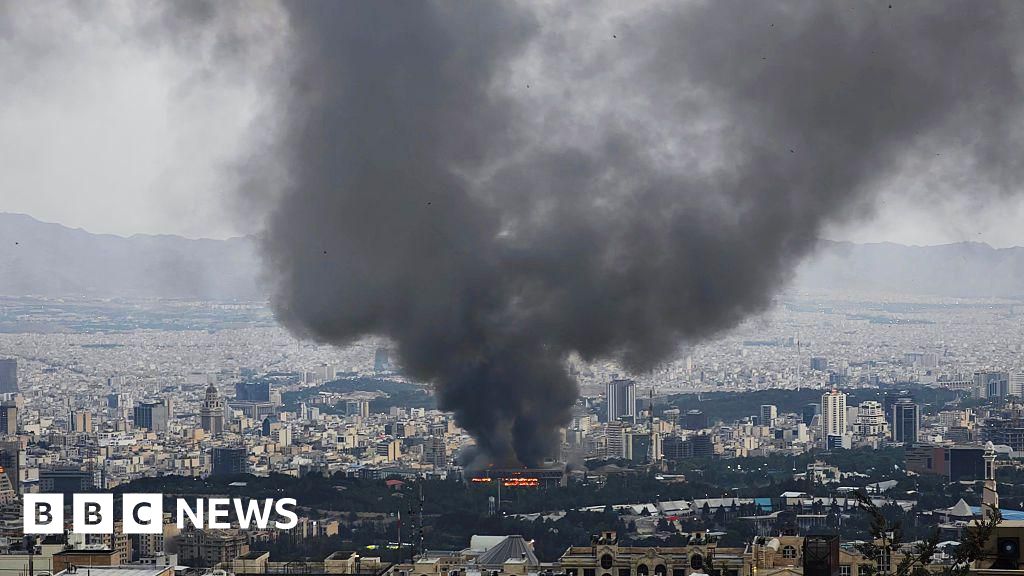
Smoke rises from Iranian TV building as part of wide shot of city of Tehran
TL;DR: Israel’s defence minister says the country is ready to resume attacks on Iran and awaits US approval to strike its infrastructure. This follows a February 28 US‑Israel strike that killed Iran’s supreme leader Ali Khamenei, while President Trump has extended the US‑Iran ceasefire until further notice to allow talks.
Context
Israel’s defence minister Israel Katz stated on Thursday that the Israeli Defense Forces are prepared both defensively and offensively, with targets already marked. He said Israel is waiting for a United States green light to resume war against Iran and to strike key energy and electricity facilities, aiming to set the country back to the Stone Age. The remarks come amid heightened tensions after a joint US‑Israel operation on February 28 that resulted in the death of Iran’s supreme leader Ali Khamenei.
Key Facts
- Katz said Israel is ready to resume the war and is awaiting US approval to strike Iran’s infrastructure, with the goal of returning Iran to the Stone Age. - The February 28 US‑Israel attack killed Ali Khamenei, whose son has not appeared publicly since, fueling speculation about his condition. - On Tuesday, President Donald Trump announced an indefinite extension of the US‑Iran ceasefire effective April 8, intended to create space for negotiations with Tehran.
What It Means
The statements signal that Israel views the removal of Khamenei as an opportunity to press a broader military campaign, contingent on Washington’s consent. At the same time, the extended ceasefire suggests the US prefers diplomatic engagement over immediate escalation. The divergence in approaches could shape whether any future strikes proceed or are delayed pending negotiation outcomes in Pakistan or elsewhere.
What to Watch Next
Observers should monitor whether the United States grants Israel the requested green light, any public appearance or statement from Khamenei’s successor, and the progress of ceasefire‑linked talks scheduled in Pakistan. These factors will determine if the region moves toward renewed conflict or a negotiated de‑escalation.
Continue reading
More in this thread
Foreign Office Gutted Middle East War Crimes Watchdog Amidst Aid Cuts
Nadia Okafor
ASP Testifies Scorpion Squad Led Police to Nine Suspects in Arise Reporter Murder
Nadia Okafor
DOJ IG Launches Audit of Epstein Files Compliance Amid Missed Deadline and Subpoena Fight
Nadia Okafor
Conversation
Reader notes
Loading comments...