Ireland, Spain, Slovenia Boycott Eurovision Over Israel’s Participation, Opt for Palestine Films
Ireland, Spain, and Slovenia's public broadcasters will not air the Eurovision Song Contest due to Israel's participation, airing Palestine films instead.
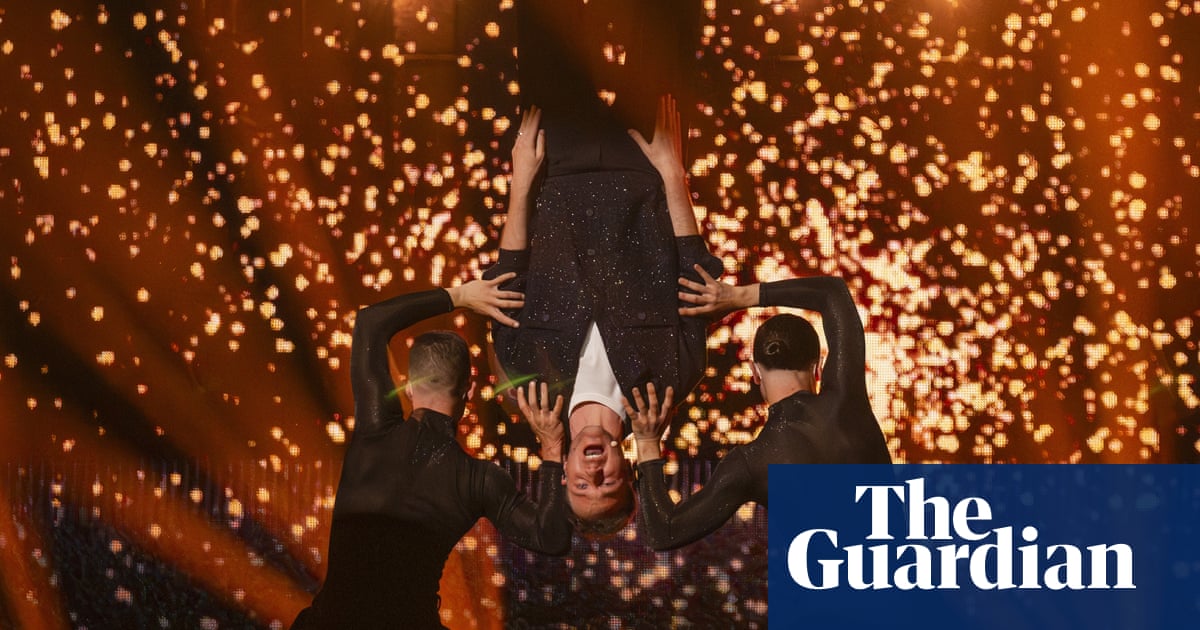
Three European public broadcasters, from Ireland, Spain, and Slovenia, announced they will not air the upcoming Eurovision Song Contest. This decision stems from a boycott related to Israel's participation in the event.
The Eurovision Song Contest, an annual cultural event, faces significant political challenges as three European public broadcasters decline to air this year's competition. Ireland, Spain, and Slovenia cite Israel’s participation as the reason for their absence, reflecting broader tensions.
RTV Slovenia will not broadcast the Eurovision Song Contest this year. Instead, RTV Slovenia’s director, Ksenija Horvat, stated the broadcaster will show a film series about Palestine.
Spain’s public broadcaster, RTVE, also announced it will not air the event. This marks the first time since 1961 that Spanish television will not feature the contest. Ireland’s public broadcaster RTÉ previously announced its decision to neither broadcast nor participate in the event.
The 70th Eurovision Song Contest, set to feature 35 competing countries, will proceed in Vienna from May 12 to May 16. While the Netherlands and Iceland also withdrew entries, their national broadcasters will still show the competition.
These boycotts highlight ongoing tension around the European Broadcasting Union's (EBU) decision to include Israel. The EBU, the contest's organizer, has maintained its stance despite calls for Israel's exclusion due to its actions in Gaza.
Historically, the Eurovision Song Contest operates under the slogan 'United by Music,' aiming to separate pop music from political events. However, global conflicts have repeatedly impacted the event, as seen when Russia was barred from participating in 2022 following its full-scale invasion of Ukraine.
The war in Gaza introduces further complexities, with organizers tightening rules against political flag-waving at venues. This year's competition also introduces new regulations designed to prevent governments or third parties from influencing voter outcomes through song promotion. Observers will watch how these boycotts and new rules affect the contest's reception and political neutrality in future editions.
Continue reading
More in this thread
Trump and MAGA Allies Claim Virginia Redistricting Vote Was Rigged, Citing Alleged Mail‑In Ballot Surges
Nadia Okafor
Israeli Forces Kill 15-Year-Old Palestinian in Nablus Raid
Nadia Okafor
Tennessee Legislature Passes Bill Making Livestock Starvation a Felony, Set to Take Effect July 1 if Signed
Nadia Okafor
Conversation
Reader notes
Loading comments...