Iran War Drives Canada's Inflation to 2.4% as Gas Prices Jump 21.2%
Canada's inflation climbed to 2.4% in March as gasoline prices surged 21.2% month‑over‑month, the largest increase ever recorded, amid Iran‑related oil market turmoil.
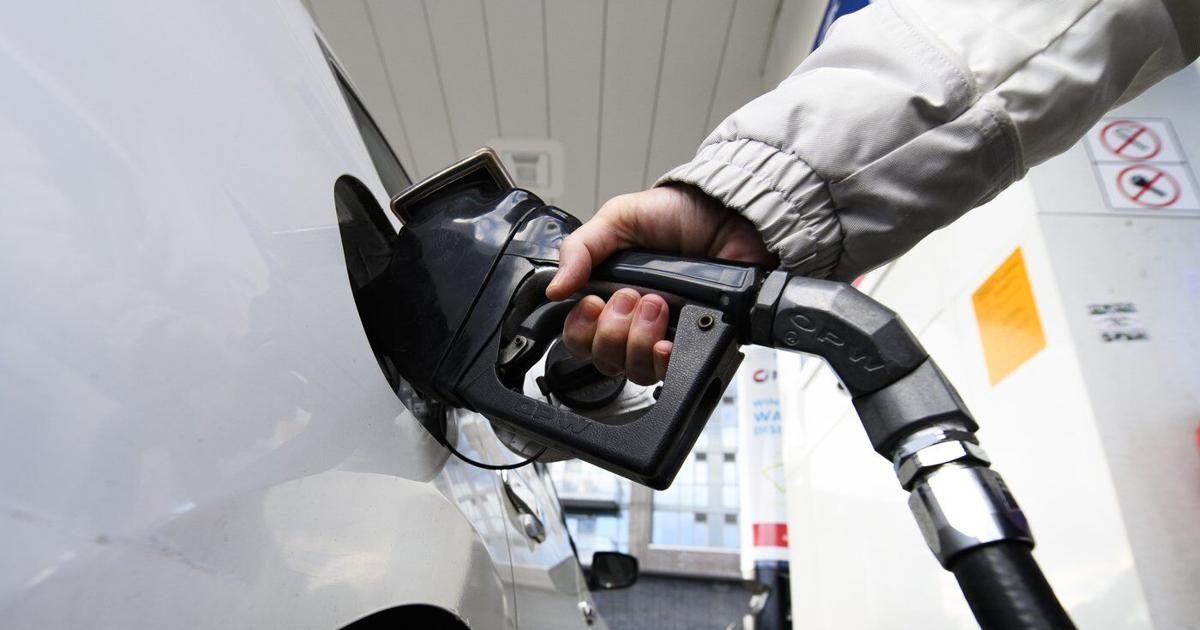
Statistics Canada set to report March inflation data
TL;DR
Canada’s inflation rose to 2.4% in March, up from 1.8% in February, as gasoline prices surged 21.2% month‑over‑month—the biggest jump on record—driven by fuel‑cost spikes from the Iran war.
Context
The increase follows Iran’s decision to close the Strait of Hormuz after U.S. and Israeli attacks, which pushed global crude prices higher. Statistics Canada said that without the gasoline surge, March inflation would have been 2.2%, marking a second straight month of underlying price declines. The federal government’s removal of the consumer carbon price a year ago continues to temper annual comparisons, while a temporary fuel‑excise tax break that began in April will shave a few cents off pump prices starting in May. The Bank of Canada is watching the data closely ahead of its April 29 rate decision, noting that it will look through the temporary spike but act if higher fuel costs feed into broader price‑setting.
Key Facts
- Headline inflation: 2.4% in March versus 1.8% in February. - Gasoline prices: up 21.2% month‑over‑month, the largest increase ever recorded. - BMO chief economist Doug Porter said April could be the year’s peak inflation month if oil prices stay high and the Strait remains closed. - StatCan noted that stripping out gasoline would leave inflation at 2.2% for March. - Food inflation eased to 4.0% from 5.4% a month earlier, helped by the lapse of last year’s grocery tax holiday. - Fresh vegetable prices rose 7.8% year‑over‑year due to poor growing conditions for cucumbers, peppers and celery. - Underlying price pressures showed declines in telephone services, auto insurance, furniture, candy and mortgage interest costs on a monthly basis. - The Bank of Canada holds its benchmark rate at 2.25% and markets price in over a 90% chance of another hold next week.
What It Means
Higher fuel costs are lifting the headline number, but the broader basket shows muted pressure, with several categories posting monthly drops. The temporary tax relief and carbon‑price rollback are expected to trim inflation by a couple of tenths of a point starting in May. If the Strait of Hormuz stays shut and oil prices remain elevated, April could see inflation top 3%, which would test the central bank’s willingness to hold rates. Conversely, a quick reopening of the waterway or a drop in crude could allow the Bank of Canada to consider rate cuts later in the year as underlying softness persists.
What to watch next: Oil market movements, any reopening of the Strait of Hormuz, and the Bank of Canada’s April 29 rate announcement.
Continue reading
More in this thread
Strata Critical Medical Sets Q1 2026 Earnings Call for May 6, With History of -4.1% Stock Reaction
Elena Voss
Record 1.35 Million UK Workers Hold Two Jobs Amid Rising Cost of Living
Elena Voss
Mission Produce Clears HSR Hurdle, Sets July 2026 Target for Calavo Merger Completion
Elena Voss
Conversation
Reader notes
Loading comments...