Iran War Drives Chinese Factory Costs Up 20% While EV Exports Jump 140%
The Iran war increases costs for Chinese manufacturers by 20%, impacting traditional industries. Meanwhile, China's electric vehicle exports soared 140% in March, showcasing resilience.
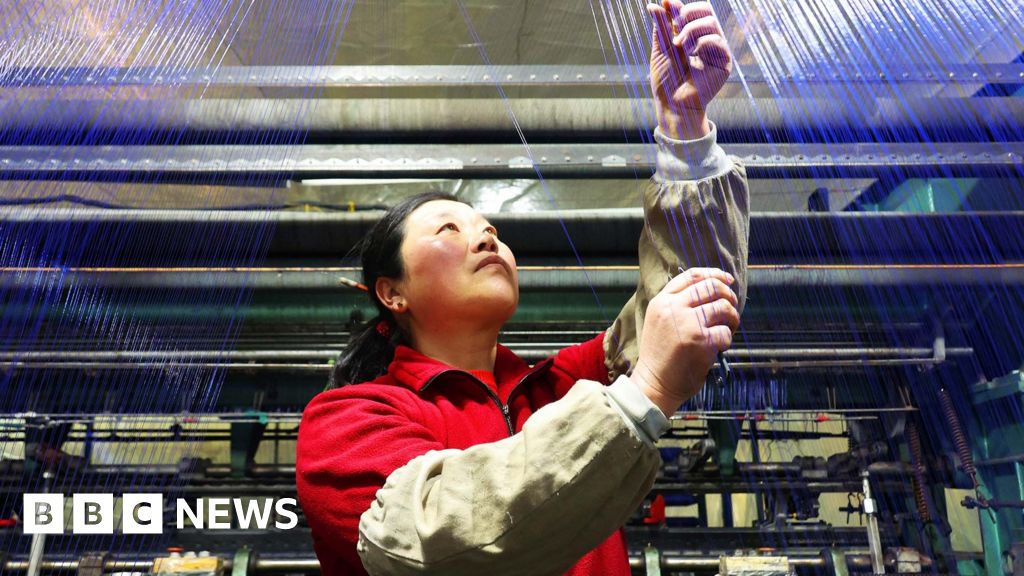
A worker monitors production of yarns at a factory in Suzhou in Eastern China, Januray 2026
TL;DR
The Iran war is escalating costs for Chinese manufacturers, with some reporting a 20% increase in expenses. Despite these challenges, China's electric vehicle exports surged by 140% year-on-year in March.
China's manufacturing sector faces new pressures from the ongoing conflict in the Middle East. While the nation navigated previous trade disputes, the current geopolitical situation impacts global supply chains, particularly through crucial shipping routes like the Strait of Hormuz. This disruption directly affects the cost of essential raw materials, including petrochemicals vital for fabric production.
One trader reports factory costs have risen approximately 20%. This increase reflects higher prices for oil-derived materials. In industrial hubs like Foshan, factory workers earn 18 to 20 yuan per hour, an amount equivalent to only a few dollars. This wage structure remains low as production expenses climb.
Despite these cost pressures, China's electric vehicle (EV) sector demonstrates significant growth. In March, the country exported 350,000 EVs. This figure represents a 30% increase from February and a substantial 140% rise compared to March of the previous year.
The conflict strains the profitability of traditional Chinese manufacturing, particularly in sectors reliant on petrochemicals for production. Businesses must absorb higher costs or pass them to consumers, challenging already slim margins for many producers. This situation persists even as factory workers in places like Foshan earn 18 to 20 yuan per hour, a wage amounting to only a few dollars.
Meanwhile, the robust performance of EV exports highlights China's strategic pivot towards advanced manufacturing and green technologies. This sector's growth provides an economic counterpoint to the difficulties faced by older industries, demonstrating a resilient shift in industrial focus. The nation's lead in renewables and EVs offers some insulation from fuel price volatility, but the broader impact on shipping and raw material costs remains a significant concern.
Beijing continues to advocate for an end to the conflict, understanding its broader economic implications. In response to disrupted supply routes and rising expenses, Chinese businesses are actively seeking new export markets, including for their electric vehicles, amidst shifting global trade patterns. This adaptation aims to maintain export volumes despite regional instability.
What to watch next: Monitor global oil prices and shipping lane security, as these factors will continue to influence Chinese manufacturing costs and overall Chinese export strategies.
Continue reading
More in this thread
Conversation
Reader notes
Loading comments...