Iran Threatens Accountability After Netanyahu’s Secret UAE Trip
Iran vows to hold accountable any collusion with Israel after Netanyahu’s covert UAE visit amid US‑Israeli strikes, raising regional tensions.
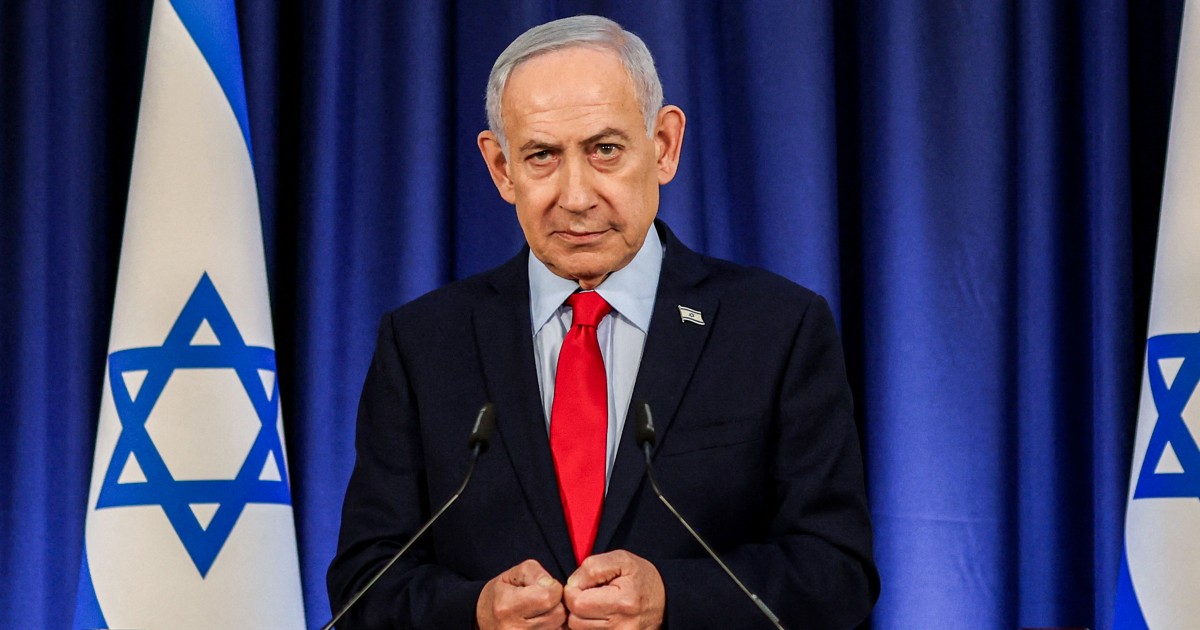
TL;DR: Iran vows to hold accountable anyone who colludes with Israel after Prime Minister Benjamin Netanyahu’s covert trip to the United Arab Emirates during ongoing US‑Israeli attacks on Tehran.
Context Iran’s First Vice President Mohammad Reza Aref reiterated that Tehran’s claim to the Strait of Hormuz – the narrow waterway through which roughly a fifth of global oil passes – is settled and not open to negotiation. The statement came as the United States and Israel intensified air strikes against Iranian targets.
Key Facts Israeli Prime Minister Benjamin Netanyahu travelled to the United Arab Emirates on a secret itinerary, describing the mission as “historic.” Israeli officials framed the visit as a diplomatic breakthrough, while the UAE’s foreign ministry publicly denied that the meeting occurred. The trip unfolded while US‑Israeli forces were conducting strikes against Iranian facilities.
Iran’s foreign minister responded by accusing Netanyahu of exposing intelligence that Iranian security services already possessed. He labeled any cooperation between Israel and Iran as “unforgivable” and warned that those involved would be “held to account.” The minister’s remarks implied that Tehran would pursue legal or retaliatory measures against individuals or entities deemed complicit.
What It Means The episode heightens tensions in a region already strained by military engagements and competing claims over strategic waterways. Iran’s firm stance on the Strait of Hormuz signals that it will resist any attempts to challenge its influence there, potentially affecting global oil flows if the dispute escalates.
Netanyahu’s undisclosed outreach to the UAE suggests a push for broader Arab engagement despite the backdrop of conflict with Iran. If the United Arab Emirates proceeds with informal ties to Israel, it could reshape alliance patterns and complicate diplomatic calculations for Washington, which backs both partners.
Both Tehran and Jerusalem appear prepared to defend their strategic narratives: Iran by emphasizing sovereignty over a critical maritime chokepoint, and Israel by seeking new regional partners even as it faces military pressure. The next weeks will reveal whether Iran initiates formal legal actions, expands its naval posture in the Hormuz corridor, or escalates its rhetoric into concrete measures.
Watch for further statements from the UAE, any official Iranian legal filings, and shifts in US naval deployments near the Strait of Hormuz.
Continue reading
More in this thread
Conversation
Reader notes
Loading comments...