Iran Seizes Two Ships in Hormuz, Declares Reopening 'Impossible'
Iran's IRGC seized two ships in the Strait of Hormuz. A parliament speaker declared reopening 'impossible' due to US-Israel ceasefire violations, stranding 20,000 seafarers and 2,000 vessels.
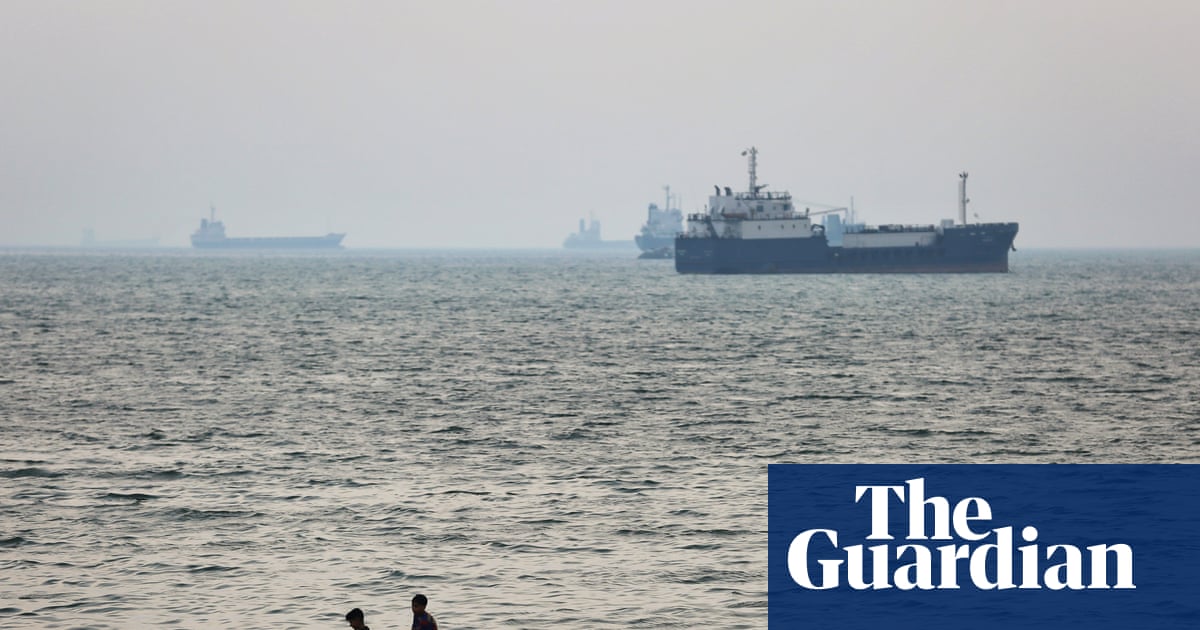
Iran seized two commercial vessels in the Strait of Hormuz, a critical shipping waterway, as its parliament speaker declared reopening the strait impossible amidst ongoing US and Israeli ceasefire violations. This escalation leaves thousands of seafarers and vessels stranded, impacting global trade and stalled peace efforts.
The Strait of Hormuz, a narrow passage through which approximately 20% of the world's oil and liquefied fossil gas flows, faces renewed instability. Both the United States and Iran have imposed blockades on this vital maritime route. This standoff further complicates international diplomacy, casting doubt on the resumption of peace negotiations.
Iran's Islamic Revolutionary Guard Corps (IRGC) naval forces recently seized two vessels: the Panama-flagged MSC Francesca and the Liberia-flagged Epaminondas. The IRGC accused these ships of attempting to exit the Strait of Hormuz covertly. This action marks Iran's first such seizure since the conflict began on February 28.
Mohammad Bagher Ghalibaf, Iran’s parliament speaker and lead negotiator, stated that reopening the Strait of Hormuz is "impossible." He linked this stance directly to continued "flagrant ceasefire violations" by the US and Israel, including the US naval blockade and what he termed "Zionist warmongering." These developments follow previous US actions, including the firing on and seizure of an Iranian cargo vessel and boarding an Iranian oil tanker in the Indian Ocean.
The closure has significant humanitarian and economic consequences. The International Maritime Organization (IMO) reports that roughly 20,000 seafarers and 2,000 vessels are now stranded due to the blocked waterway.
The ongoing closure of the Strait of Hormuz contributes to a growing global economic crisis. Countries heavily dependent on Gulf oil, particularly in Asia, face acute shortages of fuel, fertilizer, and raw materials. Germany, Europe’s largest economy, halved its 2026 growth forecast to 0.5%, reflecting economic strain. Greece announced €500 million in additional aid for households and farmers. The plight of the stranded seafarers highlights the human cost of these geopolitical maneuvers. These seizures and declarations further complicate efforts to resume stalled peace talks, which recently saw mediators like Pakistan unable to bring parties to the table.
Observe next steps from global powers regarding maritime security and potential diplomatic overtures to de-escalate tensions in the critical waterway.
Continue reading
More in this thread
Critics Warn SECURE Data Act Will Preempt State Privacy Laws and Block Consumer Lawsuits
Nadia Okafor
Russia Warns Georgia of Sanctions Over EU Accession Pursuit – Fact Check
Nadia Okafor
Billionaire Justin Sun Sues Trump Family Crypto Firm Over Token Freeze Allegations
Nadia Okafor
Conversation
Reader notes
Loading comments...