Iran’s Second UAE Missile Strike Tests Fragile US‑Brokered Truce
Iran launched a second missile attack on the UAE within 48 hours, challenging a US‑brokered ceasefire as only two merchant ships have crossed the Strait of Hormuz.
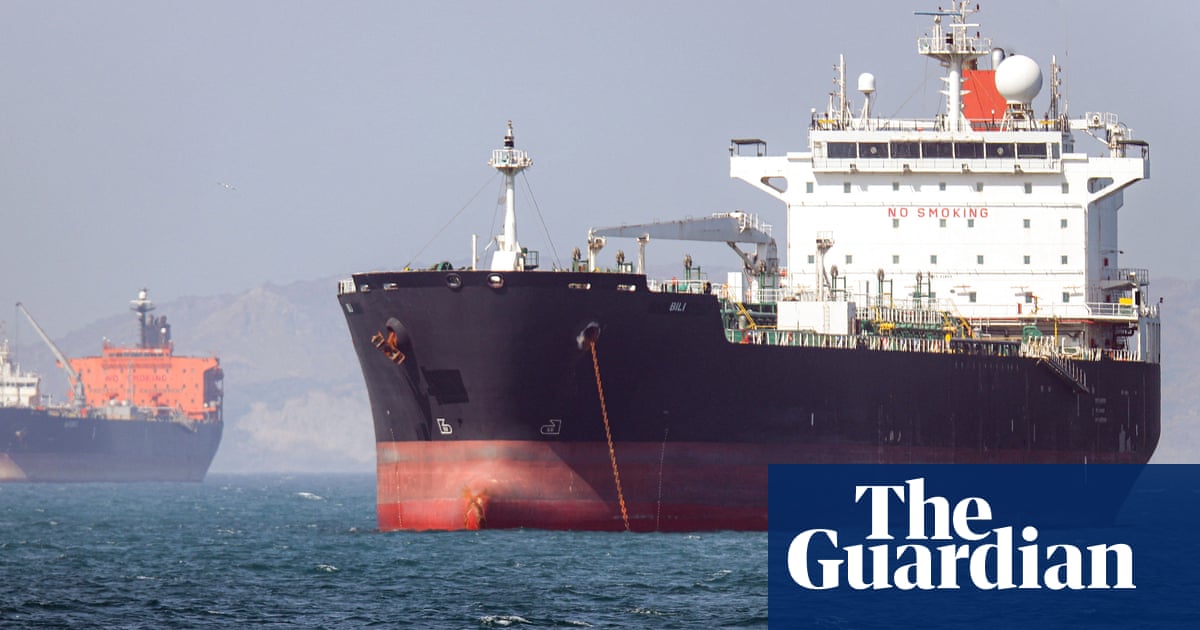
TL;DR: Iran’s second missile strike on the United Arab Emirates in two days challenges a month‑old US‑mediated ceasefire, even as the United States confirms only two merchant vessels have traversed the Strait of Hormuz.
Context The ceasefire that halted open hostilities between Iran and the United States is under pressure. The Strait of Hormuz, a chokepoint for roughly 20% of global oil and gas shipments, remains largely blocked after more than 800 ships were stranded following the February 28 attacks that sparked the war.
Key Facts - Iran fired missiles at the UAE on Tuesday, marking its second attack in 48 hours. The strikes hit the Fujairah oil port, a critical hub for regional fuel exports. - The United States Navy reported destroying six Iranian small boats, along with cruise missiles and drones, on Monday during “Project Freedom,” a mission to guide stranded tankers through the strait. - Defense Secretary Pete Hegseth reiterated that the ceasefire holds, but warned the U.S. is monitoring the situation closely. - Only two U.S.-flagged merchant ships have been confirmed to cross the strait so far, despite claims that hundreds are ready to sail. - Iran’s parliamentary speaker, Mohammad Bagher Ghalibaf, accused the United States of violating the truce, while Tehran denied any successful U.S. ship passages and alleged civilian casualties from the Monday attacks. - President Donald Trump downplayed the violence, describing it as a “skirmish” and suggesting Iran seeks a deal.
What It Means The renewed Iranian missile activity undermines confidence in the fragile ceasefire and raises doubts about the feasibility of reopening the Hormuz corridor. The limited number of verified ship crossings suggests that commercial traffic remains hesitant, likely due to lingering threats from Iranian mines, drones and fast‑attack craft. Both sides continue indirect negotiations through Pakistan, but the lack of concrete progress and the stark contrast between U.S. claims of a secured passage and Iran’s accusations of continued aggression keep the risk of escalation high.
Looking ahead, watch for any new diplomatic overtures from Tehran or Washington and for updates on ship movements through the strait, which will signal whether the truce can hold or if further military actions are imminent.
Continue reading
More in this thread
Alberta Separatists Leak Nearly 3 Million Voter Records Amid Push for Independence Vote
Nadia Okafor
UK to Speed Up Hate Crime Prosecutions After Antisemitic Surge
Nadia Okafor
UK prosecutors refuse to guarantee Tate brothers immunity if they return for civil rape trial
Nadia Okafor
Conversation
Reader notes
Loading comments...