Iran Reinstates Subsidized Exchange Rate, Allocates Billions for Essential Goods
Iran's government reinstates a subsidized exchange rate and allocates $4.5 billion from oil revenues and its sovereign fund to import essential goods, addressing public purchasing shifts.
TL;DR
Iran's government has re-established a preferential exchange rate for vital imports. This policy shift includes the allocation of up to $4.5 billion from national reserves to secure essential goods for the public.
Iran's government recently reinstated a preferential exchange rate for essential imports, marking a reversal of a prior policy. The budget proposed late last year aimed to eliminate this cheaper rate, citing concerns over transparency and the potential for corruption. However, the subsequent removal of the subsidized rate significantly impacted prices for essential goods.
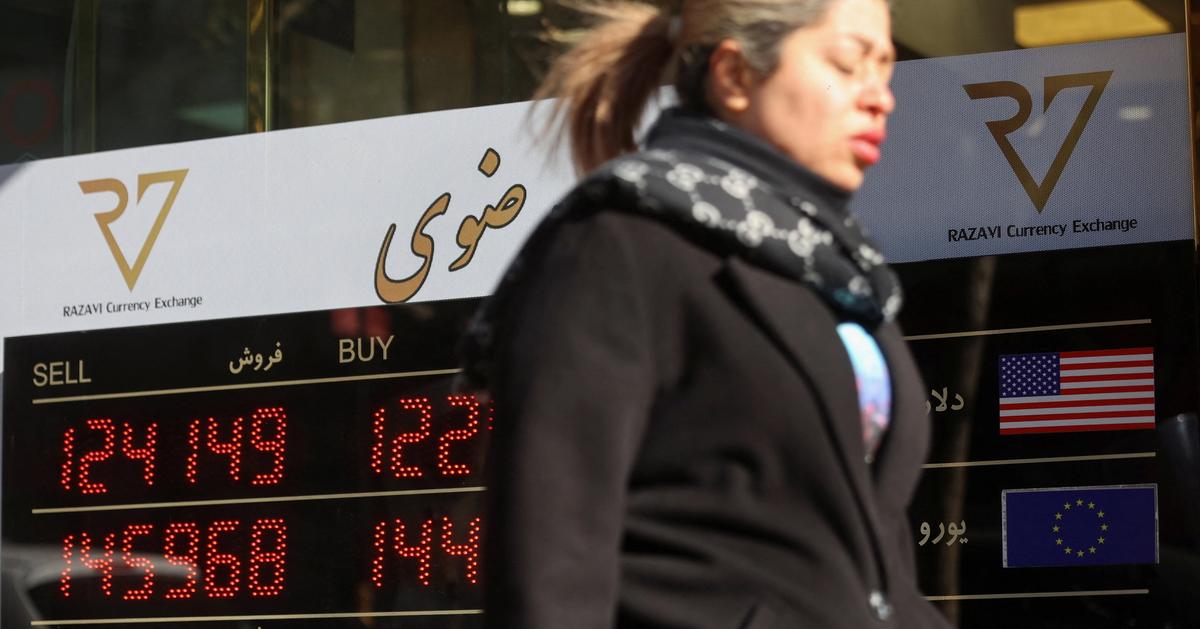
The reintroduced exchange rate for these vital items is set at 285,000 rials per US dollar. This contrasts with the open-market rate of 1.55 million rials per dollar and the budget rate of 1.23 million rials, highlighting the government's intervention to reduce import costs for specific categories.
Iran will allocate up to $3.5 billion from its oil and gas revenues to finance the import of essential goods. Trustees will manage these imports.
Additionally, the National Development Fund, Iran's sovereign wealth fund, will provide up to $1 billion. This sum targets the procurement of staple foods and meat, aiming to bolster strategic reserves.
These measures coincide with changes in consumer behavior. A Tehran resident stated that many people are now buying only basic necessities, reflecting broader shifts in purchasing priorities.
This policy aims to ensure the availability and affordability of critical items such as wheat, medicines, medical equipment, and baby formula. The government seeks to stabilize the supply chain for these goods, directly addressing public welfare.
Officials are also evaluating an increase in monthly financial handouts and electronic coupons to citizens. These currently provide the equivalent of less than $10 per person per month, indicating a potential boost to direct consumer support for food security.
Furthermore, border province governors have received expanded executive powers. This authority allows them to streamline essential goods imports with less red tape, aiming to increase supplies more efficiently.
Watch for shifts in commodity prices and the effectiveness of the new exchange rate in stabilizing consumer costs across Iran. The implementation of these measures will determine their impact on daily life.
Continue reading
More in this thread
Global Carbon Markets Poised for Transformation as UN Framework and EU Policy Shape Future Trading
Elena Voss
Ellison Thanks Staff After WBD Shareholders Greenlight Paramount Merger as Scream 7 Tops $200M
Elena Voss
Oracle's AI Backlog Surges 325% as ServiceNow Data and Atlassian AI Adoption Boost Appeal
Elena Voss
Conversation
Reader notes
Loading comments...