Iran Delays Response to US Deal, Must Hand Over 440 kg of 60% Enriched Uranium
Iran reviews a US proposal demanding 440 kg of 60% enriched uranium; Washington expects a reply within hours. What the delay means for the region.
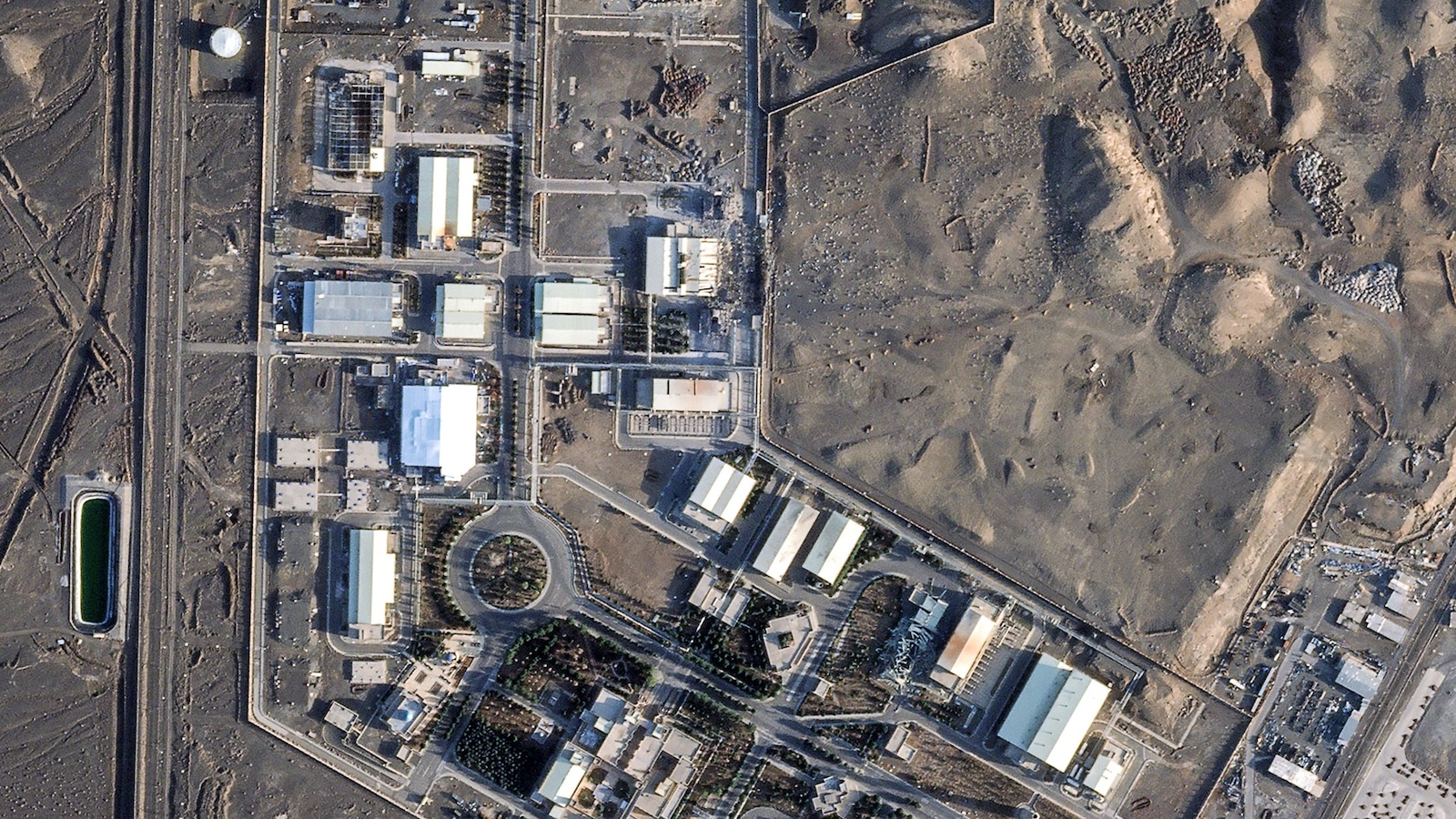
Iran Delays Response to US Deal, Must Hand Over 440 kg of 60% Enriched Uranium
TL;DR
Iran is still reviewing a U.S. offer that requires it to surrender about 440 kg of uranium enriched to 60%, while the United States says a response is due soon.
The Trump administration presented a 14‑point plan aimed at ending the conflict that has spilled into the Middle East and disrupted global energy markets. Central to the proposal is a demand that Iran freeze its nuclear enrichment program for at least 12 years, reopen the Strait of Hormuz within 30 days, and hand over the estimated 440 kg (970 lb) of 60%‑enriched uranium. In return, the United States would lift long‑standing sanctions and release frozen Iranian assets.
President Donald Trump said he expects to learn Iran’s answer “very soon.” Secretary of State Marco Rubio added that the U.S. anticipates a reply within hours and hopes it will launch “a serious process of negotiation.”
Iran’s foreign ministry confirmed the offer is still under review. Analysts note the text is highly technical, with every date and clause scrutinized by multiple Iranian power centers before a decision can be sent to the Supreme Leader for final approval. Tehran also insists any agreement be “fair and comprehensive,” demanding guarantees—potentially from the United Nations Security Council—that hostilities will not resume.
The delay reflects Tehran’s broader strategy. Experts suggest Iran may be buying time to project control and extract more leverage, especially as the United States pushes for a swift settlement. Iran’s demands extend beyond the nuclear issue, including the lifting of the U.S. naval blockade, reopening the Strait of Hormuz, and assurances that attacks in Lebanon involving Hezbollah will not restart.
If Iran complies, the surrender of 440 kg of 60% enriched uranium would significantly reduce the material needed to reach weapons‑grade enrichment (90%). The U.S. sees this as a key step to prevent Iran from acquiring a nuclear weapon. Conversely, a refusal or prolonged stall could keep the Strait of Hormuz partially closed, sustaining higher oil prices and prolonging regional instability.
The next critical development will be Iran’s formal response, which will determine whether negotiations move beyond technical details to a broader settlement on the war, sanctions, and regional security.
Continue reading
More in this thread
Conversation
Reader notes
Loading comments...