Iran Unveils 14‑Point Peace Offer as Trump Mulls Response
Iran proposes a 14‑point plan including asset release and a Strait of Hormuz mechanism as Trump warns of possible renewed strikes.
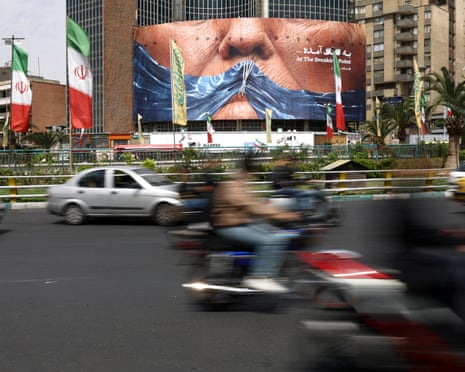
People drive past anti-US billboard depicting Donald Trump and the Strait of Hormuz in Tehran.
*TL;DR: Iran has presented a 14‑point plan that includes releasing frozen assets, ending hostilities and creating a new Strait of Hormuz arrangement; President Trump says he is reviewing it but warns that further U.S. strikes remain on the table.
Context The ceasefire that began on April 8 has stalled negotiations between Washington and Tehran. Iran sent its latest proposal to Pakistan on Thursday, the same mediator that helped secure the initial truce. President Donald Trump announced on Saturday that he is studying the offer but expressed doubt about reaching a deal.
Key Facts - The Iranian plan calls for security guarantees, a full withdrawal of U.S. forces from the region, and the release of billions of dollars in frozen Iranian assets. It also seeks sanctions relief, war reparations and an end to all hostilities, including in Lebanon. - A central element is a “new mechanism” to manage traffic through the Strait of Hormuz, the narrow waterway through which roughly 20 % of global oil passes. - Tehran wants a guarantee that its right to enrich uranium under the Nuclear Non‑Proliferation Treaty will be respected, while the United States maintains a “red line” on Iran’s nuclear capability. - Trump warned that renewed U.S. strikes against Iran are possible if Tehran “misbehaves.” - Brent crude oil rose to $111.29 per barrel on Friday, up from about $65 before the conflict, reflecting market anxiety over the stalemate.
What It Means If the United States accepts the proposal, Iran could see the unfreezing of assets worth several billion dollars and a lift of crippling sanctions, potentially stabilizing its economy. A formal mechanism for the Strait of Hormuz might reduce the risk of naval incidents that have kept oil prices elevated. However, the nuclear issue remains a major sticking point; Trump has insisted that any agreement must curb Iran’s ability to produce weapons‑grade material.
Analysts note that Iran’s offer shows a modest softening, dropping the demand that the U.S. end its distant blockade of Iranian shipping. Yet mistrust persists, and the U.S. has not indicated willingness to lift the blockade without concrete nuclear concessions. The next 48 hours will reveal whether diplomatic language replaces the threat of renewed strikes.
What to watch next: Statements from the White House and the Iranian foreign ministry, and any movement on the Strait of Hormuz mechanism, will signal whether the deadlock can be broken before oil markets react further.
Continue reading
More in this thread
Conversation
Reader notes
Loading comments...