Investigation Names 13 Victims of US Anti‑Drug Boat Strikes, Exposing Evidence Gap
A five‑month investigation names 13 victims of US boat strikes in the Caribbean and eastern Pacific, showing no evidence linking the nearly 200 dead to drug trafficking.
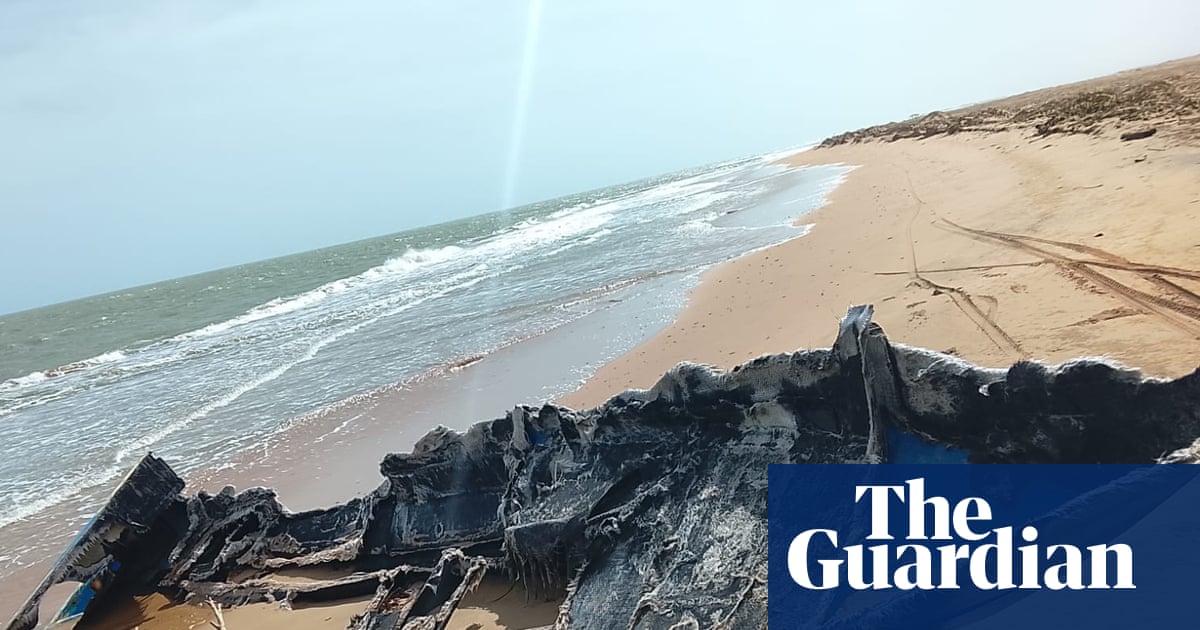
TL;DR: A five‑month investigation has named 13 previously unidentified victims of US boat strikes in the Caribbean and eastern Pacific. The report shows the US has offered no evidence that any of the nearly 200 people killed were involved in drug trafficking.
The strikes began last year as part of a military buildup toward Venezuela, with the US saying they target narco‑terrorists moving drugs north. Families and local journalists have long questioned the claims, saying many victims were poor fishers or workers trying to support relatives. A coalition of 20 journalists from Latin America and the Caribbean, led by the Latin American Center for Investigative Journalism, spent five months gathering testimonies and documents to put names to the dead.
The investigation identified 13 victims, adding to the three names previously known through family lawsuits.
All 13 come from poor communities in Venezuela, Colombia, Ecuador, Trinidad and Tobago, and Saint Lucia. María Teresa Ronderos, director of the investigative center, said the strikes target young people seeking work to support their families, not organized drug traffickers. She also noted that during the first eight months of the campaign the US provided no proof linking any of the 194 victims to narcotics activity.
Naming the victims challenges the government’s narrative that the boat attacks dismantle drug networks.
It highlights a gap between official justifications and the socioeconomic reality of those killed. The lack of evidence raises questions about the legal basis for the strikes and their impact on already vulnerable communities.
Human rights monitors may now press for greater transparency and independent review of the operations.
Observers will watch whether the US releases any evidence connecting the remaining unidentified victims to drug trafficking or adjusts its rules of engagement in the region.
Continue reading
More in this thread
Conversation
Reader notes
Loading comments...