India's Digital Leap, Unified Standards Reshape Beggary Rehabilitation
India's Ministry of Social Justice & Empowerment introduces a digital survey app and uniform guidelines to formalize beggary rehabilitation, focusing on dignity and reintegration.
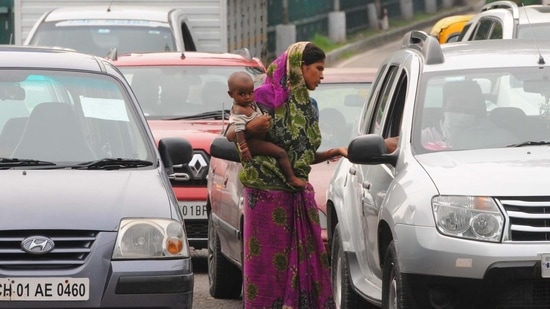
NHRC recommends survey and data collection, rehabilitation measures, healthcare, education, legal framework, collaboration with NGOs, awareness and sensitisation.
India’s Ministry of Social Justice & Empowerment launched a digital survey application and uniform shelter guidelines, formalizing and streamlining rehabilitation for individuals engaged in begging.
The Ministry of Social Justice & Empowerment unveiled two significant policy interventions at the Chintan Shivir in Chandigarh, held from April 24–26, 2026. These measures aim to formalize the rehabilitation process for people engaged in begging across India. This initiative signals a strategic national shift from a punitive to a rehabilitative approach, anchored by the comprehensive SMILE scheme, which focuses on providing dignity and self-sufficiency to marginalized individuals.
A central component is the new SMILE–Beggary Survey Mobile Application. This digital tool facilitates real-time field data collection regarding individuals engaged in begging, replacing manual systems prone to delays and inconsistencies. It equips district authorities with immediate, accurate information for performance tracking and supports timely reintegration into mainstream society, ensuring resources are allocated effectively based on current needs.
Concurrently, the Ministry introduced Model Guidelines on Care, Rehabilitation and Management of Beggars’/Shelter Homes. These guidelines establish a uniform national framework for all shelter operations. They standardize critical pillars, including preventive healthcare services, comprehensive vocational training programs, and the development of gender-sensitive infrastructure. This aims to ensure consistent, dignified care and a humane environment across all facilities.
These interventions address long-standing challenges in India's social welfare system, moving towards a more structured and transparent approach. The digital app provides data accuracy and transparency for identifying beneficiaries, enabling targeted interventions. The unified guidelines ensure that all state-run and NGO-supported shelter homes adhere to consistent standards for nutrition, sanitation, and overall quality of care, preventing disparate conditions.
The new framework moves beyond basic housing, promoting holistic rehabilitation. It specifically emphasizes vocational training to transition individuals from dependency to self-employment, empowering them with livelihood skills. Specific sections also address child and gender sensitivity, providing tailored support and protection for vulnerable populations. Furthermore, legal aid provisions assist residents in securing essential identity documents like Aadhaar or Voter ID, enabling access to broader government benefits. This ensures shelter homes function as comprehensive centers for social reintegration, not just temporary shelters.
The effectiveness of these new digital and policy tools in achieving sustainable rehabilitation outcomes and fostering long-term dignity for individuals will be a key area to observe moving forward.
Continue reading
More in this thread
Mandelson’s Dog Walks Signal Defiant Doorstep Strategy Amid Probe
Nadia Okafor
Mandelson Walks Dog Amid Scandal, Using Doorstep Photos to Project Defiance
Nadia Okafor
New Federal Privacy Bill Sets High Thresholds, Lacks Private Right of Action, Faces Long Odds
Nadia Okafor
Conversation
Reader notes
Loading comments...