India Bars Bilateral Sports With Pakistan, Opens Multilateral Door and Fast‑Tracks Visas
India prohibits direct India‑Pakistan matches but allows Pakistani athletes in multilateral events and simplifies sports visas as it prepares for major global tournaments.
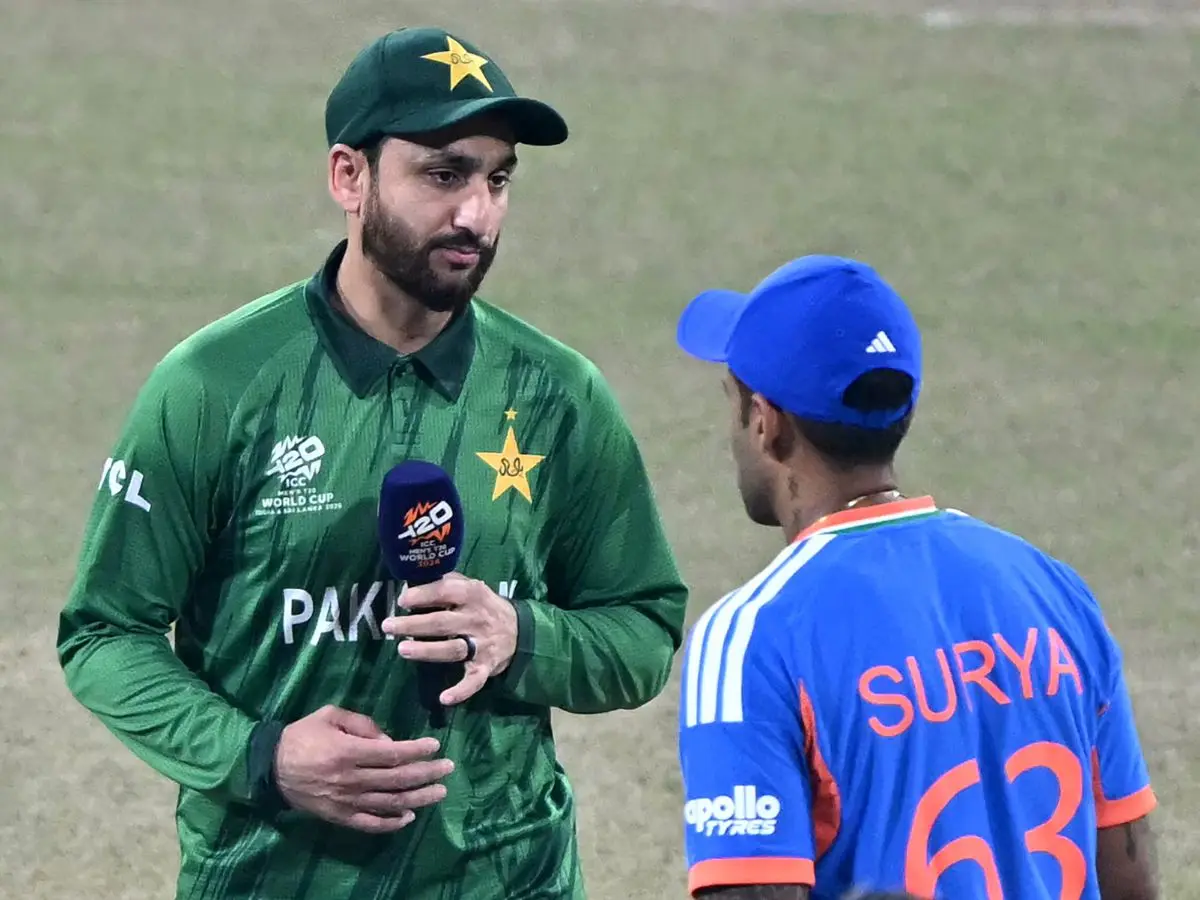
TL;DR: India will not host or travel for any bilateral India‑Pakistan sports contests, yet Pakistani athletes may compete in multilateral events on Indian soil and visa procedures for all foreign sports participants will be streamlined.
Context The Ministry of Youth Affairs and Sports issued an Office Memorandum on May 6 that draws a clear line between bilateral and multilateral competition with Pakistan. The policy follows heightened security concerns after the 2022 Pahalgam attack and subsequent diplomatic tensions. While the ban on direct India‑Pakistan fixtures remains, the government signals a willingness to engage through broader international platforms.
Key Facts - Pakistani teams and athletes are now permitted to take part in any multilateral tournament hosted by India, from cricket to hockey, provided the event is organized under an international federation. - The same memorandum promises a simplified visa regime for foreign athletes, team officials, technical staff, and representatives of international sports governing bodies. Applications will be processed faster and with fewer procedural hurdles. - India’s calendar includes the 2029 ICC Champions Trophy, the 2031 ODI World Cup, and a bid to host the 2030 Commonwealth Games, the 2036 Summer Olympics and the 2038 Asian Games. These events will require smooth cross‑border movement of participants, making the visa reforms strategically timed. - Upcoming multilateral fixtures will see India and Pakistan meet indirectly: the women’s T20 World Cup group match on June 14 in Birmingham, hockey clashes in the FIH Pro League in London (June 23, 26) and the World Cup in Amsterdam (August 19), and potential encounters at the Commonwealth Games (July‑August) and Asian Games (September‑October).
What It Means The dual‑track approach isolates political friction to bilateral contests while preserving athletes’ ability to compete on merit in larger arenas. By aligning with the norms of international sports bodies, India positions itself as a reliable host for upcoming mega‑events, reducing the risk of diplomatic fallout disrupting schedules. The visa overhaul removes a long‑standing bottleneck, ensuring that officials and support staff can travel swiftly, a factor that could influence the success of bids for the 2036 Olympics and 2038 Asian Games.
Stakeholders will watch how the policy holds up during the next wave of multilateral tournaments. The next test will be the Commonwealth Games in 2030, where the practical impact of the visa streamlining and the inclusion of Pakistani athletes will become evident.
Continue reading
More in this thread
Conversation
Reader notes
Loading comments...