Incumbents Sweep Illinois Primary While Darren Bailey Clinches GOP Governor Nomination
Illinois primary results show incumbents largely unopposed, with Democrat JB Pritzker and Republican Darren Bailey set to contest the governorship in November.
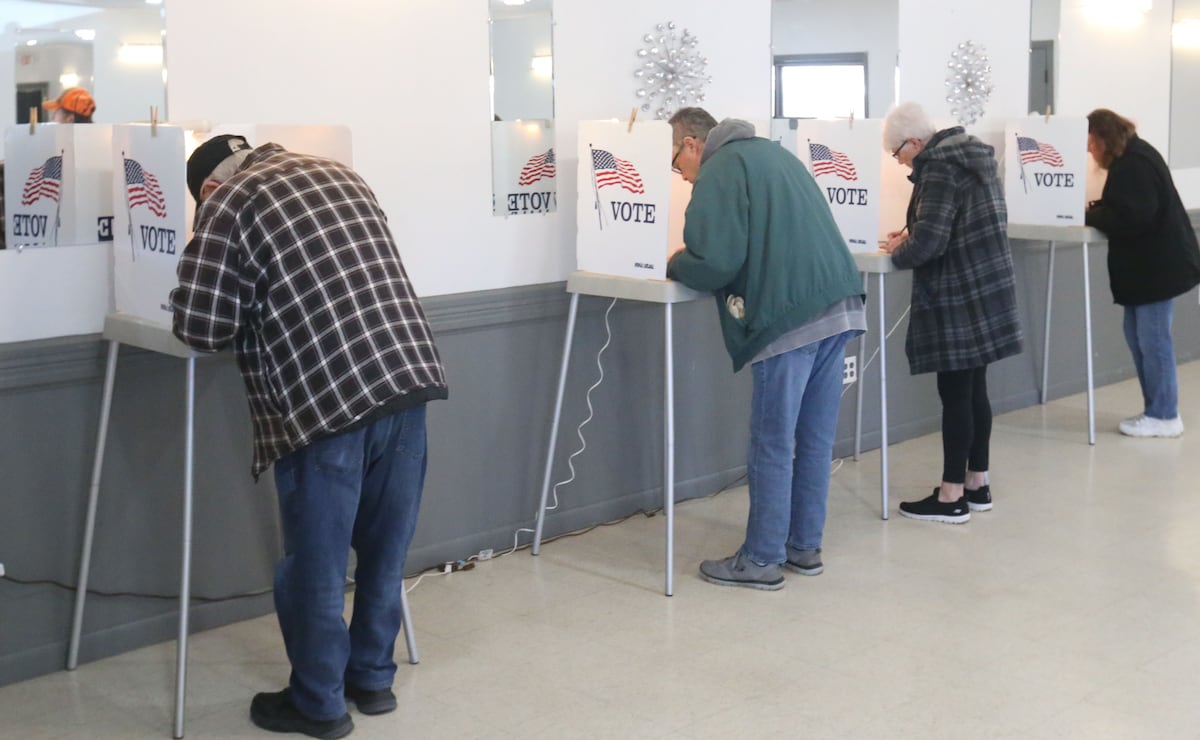
Voters fill ballots in voting booth on Tuesday, March 17, 2026 at the Ottawa Lions Club.
TL;DR
Illinois' primary elections saw a wave of incumbent politicians secure their nominations with ease, while the Republican gubernatorial race offered a competitive contest. Democrat JB Pritzker advanced unopposed, setting the stage for a November general election against Republican Darren Bailey.
Context Illinois voters recently concluded their primary elections, establishing the candidates who will appear on the ballot in November. These elections determine which contenders from each major party will vie for state, judicial, and federal offices. The results highlighted a clear path for many established figures and a definitive choice for the Republican gubernatorial challenger.
Key Facts Incumbent Democrat JB Pritzker secured his gubernatorial primary nomination unopposed, receiving 1,197,587 votes. This represented 100% of the Democratic vote in the gubernatorial primary. On the Republican side, Darren Bailey emerged as the party's choice for governor, clinching the nomination with 304,162 votes. Bailey's victory accounted for 53.28% of the Republican primary vote, overcoming multiple challengers. This trend of incumbents facing little opposition was widespread; other statewide figures such as Attorney General Kwame Raoul and Secretary of State Alexi Giannoulias also secured their party's nominations without competition. Beyond statewide races, local referendums also saw voter participation; in the Leonore Rural Fire Protection District creation proposition, 42 voters (71.19%) supported the measure, while 17 voters (28.81%) opposed it.
What It Means The primary outcomes clearly define the state's political landscape for the general election. Pritzker, unopposed in his primary, now faces Bailey, who navigated a contested Republican field. This sets up a direct confrontation between the incumbent Democratic governor and a Republican challenger with a clear mandate from his party's base. Voters will decide between these candidates in November, alongside other key races for positions like Comptroller, US Senate, and various congressional districts. The coming months will reveal how these distinct paths to nomination influence the broader electorate.
Continue reading
More in this thread
Fact Check: Joseph diGenova’s Role in DOJ Grand Conspiracy Probe
Nadia Okafor
Lok Sabha Concludes Productive Session Amid Women's Quota Bill Defeat
Nadia Okafor
Peru election claims verified: Fujimori leads, vote gap 13,600, delay due to challenged ballots
Nadia Okafor
Conversation
Reader notes
Loading comments...