Immigrant Veteran Hernandez Warns Deportation Looms Despite Service Amid Trump's 675,000-Person Removal Campaign
U.S. military veteran Benito Miranda Hernandez faces deportation despite serving three Iraq tours. This highlights concerns for immigrant veterans amid Trump's 675,000-person removal campaign.
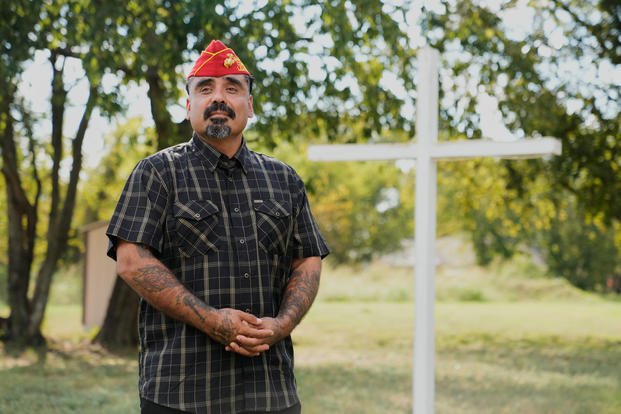
Veterans Who Lack Citizenship Fear Being Swept Up in Trump's Deportations
TL;DR
Benito Miranda Hernandez, a U.S. military veteran who served three tours in Iraq, faces potential deportation despite his service. This situation occurs as former President Trump's second-term deportation campaign has removed at least 675,000 individuals as of January.
Benito Miranda Hernandez, a U.S. military veteran of three tours in Iraq, now confronts the possibility of deportation from the nation he once vowed to protect. Hernandez, who migrated to the U.S. as a child and is not a citizen, struggles with this threat despite stating, "I was willing to die for this country." His current status in a reentry program follows past drug convictions, adding complexity to his legal standing.
This personal challenge unfolds amid a significant federal initiative. Former President Donald Trump's second-term deportation campaign has already led to the removal of at least 675,000 people as of January. This large-scale operation aims to expel individuals deemed high-priority, yet its broad sweep raises concerns for immigrant veterans who have criminal records.
The U.S. military has long integrated immigrants into its ranks, relying on their service. In 2022, approximately 731,000 U.S. military veterans were immigrants, making up roughly 4.5% of the total veteran population. Despite this contribution, an estimated 118,000 immigrant veterans, including Hernandez, do not hold U.S. citizenship.
Hernandez applied for citizenship during his deployment, but the process did not conclude. His experience reflects broader issues many veterans face after service, particularly when navigating the civilian world. Struggles with conditions such as traumatic brain injuries and post-traumatic stress disorder (PTSD) can lead to substance abuse and, in some cases, criminal offenses.
For non-citizen veterans with convictions, these post-service challenges place them at increased risk of deportation. The question remains how the U.S. will reconcile the military service of these individuals with their current immigration status and legal histories. Policy makers are currently debating the merits of removing those who have served the nation.
The policy intersection of military service, immigration, and criminal justice continues to evolve. Future legislative actions and court decisions will shape the protections and vulnerabilities of immigrant veterans, defining the path forward for individuals like Hernandez in the coming years.
Continue reading
More in this thread
Conversation
Reader notes
Loading comments...