Hybrid Custard Apple Boosts Yields 25% and Opens Export Routes
Hybrid varieties lift pulp recovery to 70%, boosting Indian custard apple output by 25% and enabling large‑scale exports to Gulf and Europe.
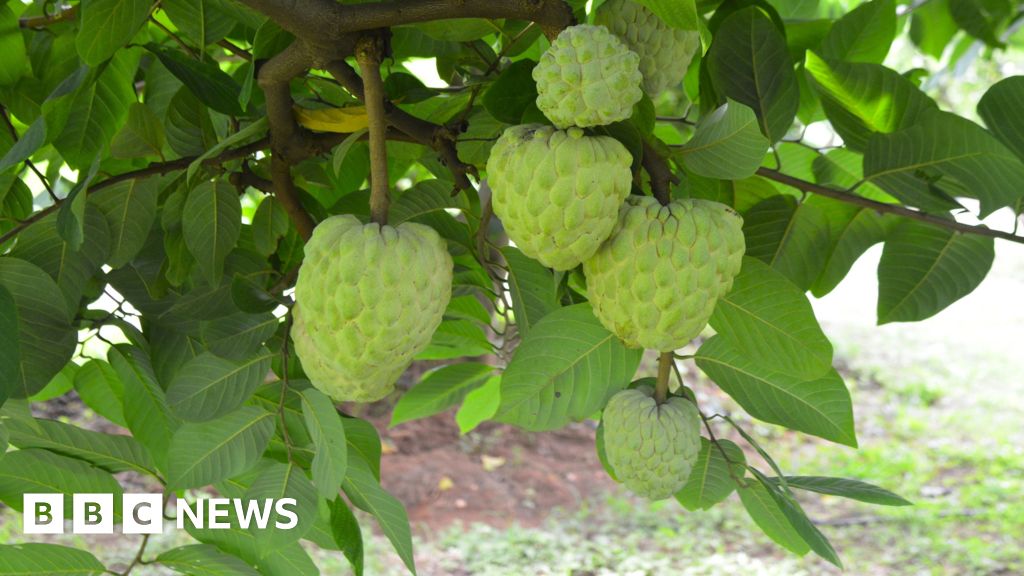
Custard fruit hang from the branches of a tree. They look like large avocados, but nobbly and a paler shade of green.
TL;DR: Hybrid custard apple varieties lift usable harvest by up to 70%, driving a 25% increase in production and unlocking new export markets.
India’s drought‑prone Kolar district once forced farmer Ashoka Shivareddy to abandon his family farm. In 2018 he returned with a scientific approach, planting drought‑resistant custard apple trees closer together and selecting three high‑performing varieties. The result: production rose from roughly 20 tonnes last year to about 25 tonnes this year, a 25% jump that reflects growing demand both domestically and abroad.
Research at the Indian Institute of Horticulture Research shows the leap is not just about planting density. Hybrid varieties such as Arka Sahan raise pulp recovery—from the fruit’s edible flesh—to 70%, compared with 30% for traditional types. That three‑fold increase in pulp effectively doubles the usable harvest without expanding acreage.
On nearly 50 acres in Maharashtra, farmer Navnath Malhari Kaspate harvests about 10 tonnes per acre using the NMK‑01 hybrid, a high‑yielding line he developed over decades. The consistent quality and longer shelf life of this variety have enabled the first large‑scale shipments to Gulf states and Europe, markets previously unreachable for Indian custard apple.
The combined effect of higher pulp yield and denser planting means farmers can meet export standards while keeping water use low. Hybrid fruits also survive a week at room temperature and contain fewer seeds, addressing the short shelf life and seed‑heavy profile of traditional cultivars.
Export logistics remain complex. Fruit must be pre‑cooled for five hours, packed in insulated corrugated boxes, and moved in refrigerated vans to air‑freight hubs. Temperature spikes above 30 °C can cut shelf life, so night‑time road runs are standard practice.
What it means: Indian growers are turning a niche, drought‑sensitive fruit into a viable cash crop. With hybrid technology delivering up to 70% pulp and yields of 10 tonnes per acre, the sector is poised for further expansion into high‑value markets. Watch for new hybrid releases targeting disease resistance and even longer shelf life, which could broaden export destinations beyond the Gulf and Europe.
Continue reading
More in this thread
MENA startups draw $113M in fresh capital amid fintech, HR tech and Shariah‑compliant fund growth
Elena Voss
StrainX Bioworks Secures $13M to Scale Precision‑Fermented Protein Production in India
Elena Voss
Hybrid Custard Apple Boosts Yields and Opens Export Markets for Indian Farmers
Elena Voss
Conversation
Reader notes
Loading comments...