Huawei's £8.7bn Self-Driving Push as China's EV Sales Decline
Huawei commits £8.7bn to autonomous driving as China's EV sales fall 17%. Chery aims for 10m global units by 2030, signaling a pivot to exports and advanced tech.
TL;DR
Huawei will invest £8.7 billion into self-driving technology as Chinese automakers seek new revenue streams amid a 17% drop in domestic EV sales. This push coincides with Chery's aggressive target of 10 million global unit sales by 2030, signaling a broader pivot to international markets.
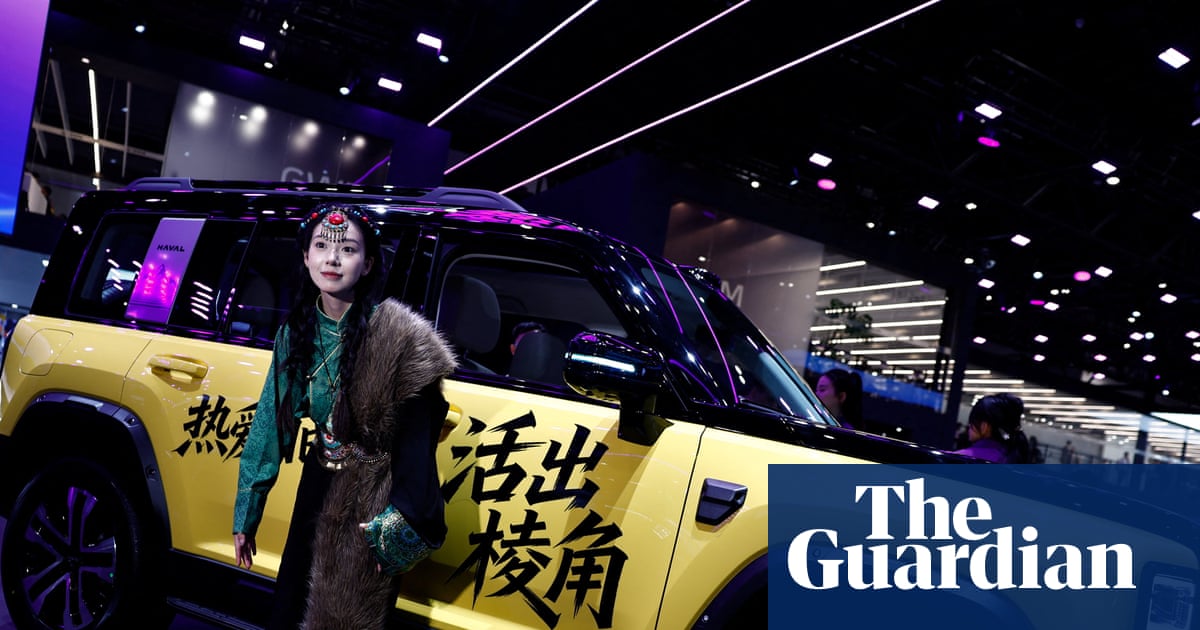
Context China's competitive automotive market intensely focuses on intelligent driving, moving beyond electric vehicle manufacturing alone. Car companies increasingly bet on autonomous features to drive future growth and revenue in a saturated domestic landscape. The Beijing Auto Fair recently showcased numerous advanced intelligent driving technologies.
Key Facts Huawei, a major telecommunications group, announced plans to invest up to £8.7 billion (80 billion yuan) over the next five years. This investment targets the development of autonomous driving software and computing power. This strategic move unfolds as passenger vehicle sales in China experienced a 17% decline in the first three months of the year, following the government's termination of a key subsidy program.
Amid this domestic sales environment, Chinese automakers are aggressively expanding globally. Chery, for example, has declared a goal of achieving 10 million global unit sales annually by 2030, a substantial increase from its 2025 target of 5 million. Farrell Hsu of Chery UK stated the company's significant growth underlines its role as a key contributor to overall business expansion by 2030.
What It Means This industry shift signals that Chinese carmakers view advanced software and global exports as essential for profitability. With domestic sales under pressure, companies like Geely are preparing to deploy driverless taxis globally, challenging existing robotaxi firms. This expansion targets markets like the UK, where Chinese brands expect to account for one in 10 new cars sold next year. Regulatory and technical hurdles remain for widespread autonomous vehicle adoption, but the investment drive continues.
Watch for further advancements in autonomous driving systems and the global market penetration of Chinese automotive brands as they navigate these economic and technological shifts.
Continue reading
More in this thread
Ethiopian Airlines Boosts Nigeria Flights Amid Middle East Fuel Disruptions
Elena Voss
China Warns US MATCH Act Threatens Global Semiconductor Supply Chain, Pledges Countermeasures
Elena Voss
Delta CEO Ed Bastian Shuns ‘AI’ Label, Calls Tech ‘Augmented Intelligence’ Amid $1.3B Profit‑Share and Fuel Spike
Elena Voss
Conversation
Reader notes
Loading comments...