House Passes Six Veteran‑Focused Bills, Including Benefit Boost and Gun Rights Protection
House passes six veteran‑friendly bills boosting compensation, health‑care access, housing, trucking jobs, and protecting gun rights for fiduciary cases.
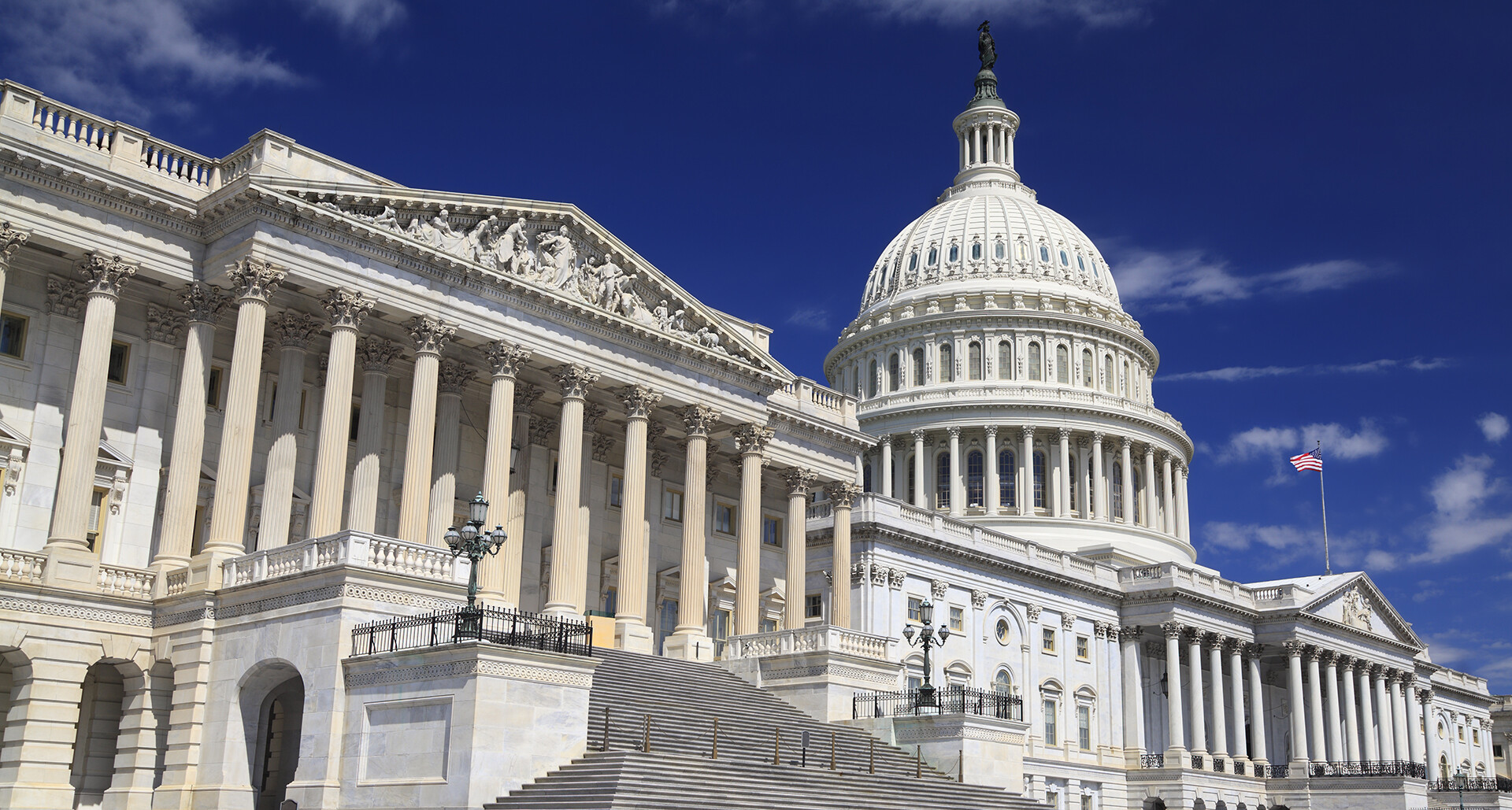
Photo by Dreamstime
TL;DR
The House passed six veteran‑friendly bills during the week of May 18, with five endorsed by The American Legion. The package raises disability compensation, streamlines VA health‑care scheduling, expands Fisher House lodging, creates a trucking apprenticeship pathway, and blocks automatic NICS reporting for veterans who need a fiduciary. Lawmakers say the measures address long‑standing gaps in benefits, care, housing, employment, and constitutional rights.
Context Veteran advocacy groups have pressed Congress to improve disability payments, reduce health‑care wait times, and protect gun ownership for those under financial guardianship. The timing of the vote, just before Memorial Day, underscores a symbolic push to honor service members with tangible support. Both parties showed willingness to advance the bills after committee hearings highlighted constituent concerns.
Key Facts H.R. 6047, the Sharri Briley and Eric Edmundson Veterans Benefits Expansion Act, would raise the VA’s monthly compensation for catastrophically disabled veterans and for surviving families of veterans rated 100 percent disabled or deceased. The American Legion said the increase provides an overdue boost to Dependency and Indemnity Compensation, timed for Memorial Day, noting that many survivors have waited years for an adjustment.
H.R. 496, the Veterans 2nd Amendment Restoration Act, stops the VA from sending veterans’ names to the FBI’s National Instant Criminal Background Check System solely because a court appointed a fiduciary to manage their benefits. Legislative Director Cole Lyle called the practice a moral injustice that bears no link to violent tendencies and violates due process, emphasizing that financial management does not predict dangerous behavior.
H.R. 3482 mandates an electronic scheduling system for VA community care appointments, aiming to cut wait times and reduce missed visits. H.R. 3726 widens Fisher House eligibility to active‑duty service members and their families, providing no‑cost temporary lodging near medical centers for those undergoing treatment. H.R. 2954 gives the VA secretary sole authority to approve multi‑state trucking apprenticeship programs, removing the need for separate state sign‑offs and aiming to place veterans in skilled logistics jobs.
What It Means Higher monthly payments could alleviate financial strain for the most severely disabled veterans and their survivors, potentially reducing reliance on supplemental aid. Streamlined scheduling and expanded lodging should improve access to care, lower travel burdens, and lead to better health outcomes for those needing frequent treatment. The trucking apprenticeship pathway aims to connect veterans with skilled jobs that support national supply chains, addressing employer demand for qualified drivers. By blocking automatic NICS reporting for fiduciary cases, the legislation seeks to protect Second Amendment rights without compromising public safety, a balance veterans groups have long sought. The Senate will now review the package; if passed, the president’s signature would enact the changes, with implementation timelines set by each bill, and oversight committees will monitor compliance and impact.
Continue reading
More in this thread
Spencer Pratt’s AI‑Driven Mayor Bid Spotlights LA’s Homeless and Insurance Strains
Nadia Okafor
Senate Committee Advances Bill to End Widow Remarriage Penalty for Veterans' Survivors
Nadia Okafor
Alan Milburn Labels Youth Benefit Spending 'Shameful' as 25:1 Ratio Exposed
Nadia Okafor
Conversation
Reader notes
Loading comments...