House Passes Farm Bill Without E15 or Pesticide Liability Shield
The House approved the farm bill 224‑200, dropping year‑round E15 sales and pesticide liability protections; a May 13 vote will decide E15.
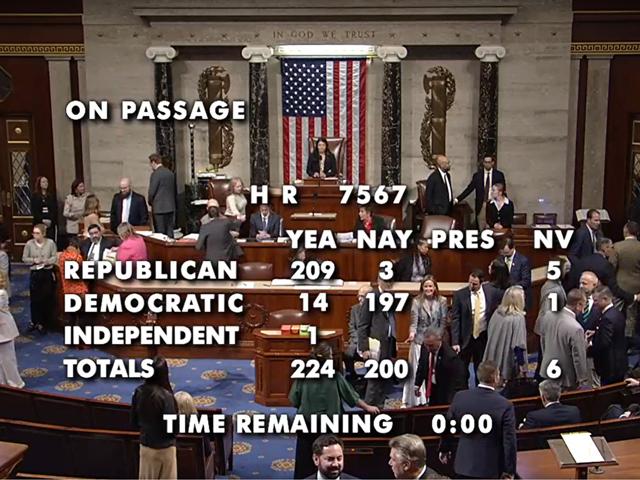
TL;DR: The House approved the farm bill 224‑200, omitting year‑round E15 sales and stripping pesticide liability protections; an E15 vote is set for May 13.
Context The farm bill, the primary vehicle for U.S. agricultural policy, moves to the Senate after a contentious House session. Lawmakers debated biofuel mandates, pesticide industry safeguards, and broader farm programs amid rising production costs and farmer bankruptcies.
Key Facts - The final vote on the farm bill was 224‑200, with 14 Democrats joining 209 Republicans to pass the measure. The legislation excludes provisions that would allow year‑round sales of E15, a fuel blend containing 15% ethanol. - An amendment to remove pesticide liability protections—criticized as a shield for manufacturers like Bayer—passed 280‑142 with bipartisan support. Rep. Anna Paulina Luna led the effort, while Agriculture Committee Chair Rep. Glenn “GT” Thompson argued the language only blocked frivolous lawsuits. - The Senate now faces a 60‑vote threshold to pass the bill or must craft its own version. It must also address a pending vote on E15, scheduled for May 13 after the House recess. - Beyond the contested items, the bill expands assistance for storm‑damaged fruit and nut trees, boosts precision‑agriculture funding in the Environmental Quality Incentives Program, and creates a new forestry conservation easement program.
What It Means Removing the E15 provision halts a push by farm‑state lawmakers to broaden ethanol use, a move that could affect fuel markets and renewable‑energy goals. Stripping pesticide liability protections removes a legal shield that industry groups argued was needed to fend off costly lawsuits, potentially exposing manufacturers to more litigation. The Senate’s next steps will determine whether the House version survives or is reshaped. Lawmakers will also need to reconcile the pending E15 vote with broader energy and agricultural policy debates.
Looking Ahead Watch the May 13 Senate vote on E15 and the Senate’s handling of the farm bill’s remaining provisions, especially those affecting climate‑related farm assistance and pesticide regulation.
Continue reading
More in this thread
US Expands Iran Sanctions and Bars Payments for Hormuz Passage
Nadia Okafor
AIADMK Holds Attur Seat in 2016 with 17,334‑Vote Margin Amid Shifting Tamil Nadu Alliances
Nadia Okafor
TUC Calls for Uniform Retirement Age of 65 or 35 Years Service for Nigerian Civil Servants
Nadia Okafor
Conversation
Reader notes
Loading comments...