House Passes Bill to Extend Fort Peck Reservation Rural Water System Authorization Through 2028
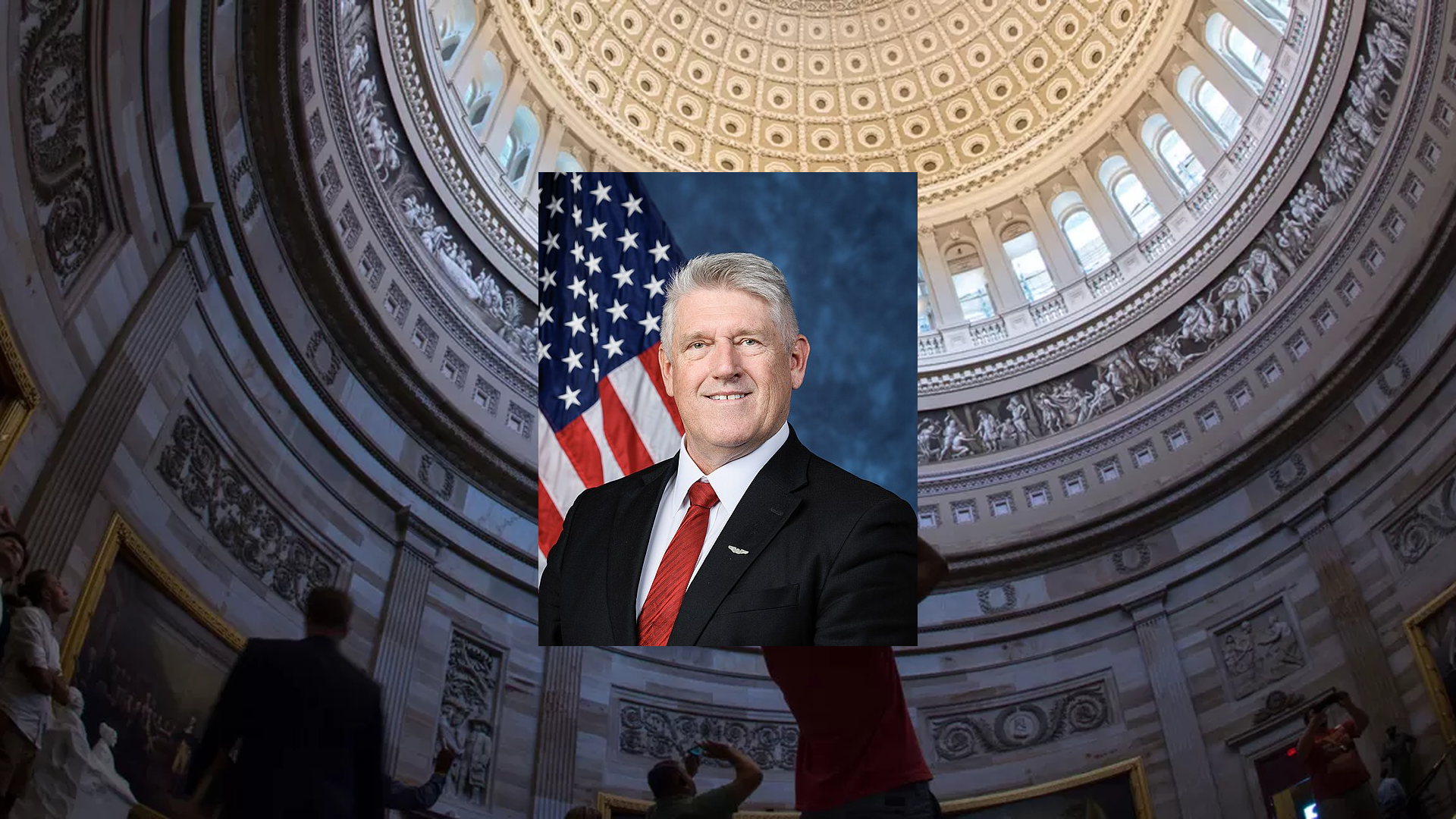
The U.S. House of Representatives passed Congressman Troy Downing's bill H.R. 7250, which extends authorization for the Fort Peck Reservation Rural Water Sys...
TL;DR
The U.S. House of Representatives passed Congressman Troy Downing's bill H.R. 7250, which extends authorization for the Fort Peck Reservation Rural Water System through 2028. The update is narrow, but it is enough to publish a verified record while the story develops.
Context
House Passes Bill to Extend Fort Peck Reservation Rural Water System Authorization Through 2028 is a politics story tied to GB. The available record supports a narrow update: The U.S. House of Representatives passed Congressman Troy Downing's bill H.R. 7250, which extends authorization for the Fort Peck Reservation Rural Water System through 2028.
Measured Take is treating this as a verified-facts brief rather than a full narrative rewrite because the AI writing provider did not return a usable article draft. That means the article should do three things: preserve what is known, avoid adding unsupported interpretation, and make clear what would change the significance of the item.
Key Facts
- The U.S. House of Representatives passed Congressman Troy Downing's bill H.R. 7250, which extends authorization for the Fort Peck Reservation Rural Water System through 2028. - H.R. 7250 extends the Bureau of Reclamation's authority to support water infrastructure projects in the Fort Peck Reservation and Roosevelt, Sheridan, Valley, and Daniels counties from December 2026 to December 2028. - The Fort Peck Reservation Rural Water System is one of four regional water systems in Montana.
What It Means
The useful reading is limited but clear. The verified facts establish the event, the people or organizations involved, and the immediate context. They do not, by themselves, prove broader motives, market impact, or long-term outcomes.
That restraint matters for an automated newsroom. A broken provider call should not stop publication when the extraction stage has already produced publishable facts, but it also should not invite filler. This fallback draft keeps the article bounded to the extracted claims while leaving room for a fuller rewrite when provider quality recovers.
For readers, the practical value is the separation between signal and speculation. The signal is the confirmed update above. The speculation would be any claim about strategy, motive, financial impact, competitive pressure, or public reaction that is not directly supported by the extracted evidence. Those claims should wait for stronger sourcing.
The editorial stance is therefore intentionally conservative. The article records the verified development, gives it a category and country context, and avoids turning a single source item into a broader conclusion. If additional reporting adds detail, this story can be expanded with more specific context, quotes, filings, or market data.
The next thing to watch is whether additional reporting, filings, statements, or market data add detail that changes the weight of the story. Until then, the safest takeaway is the confirmed update above, not a larger conclusion built ahead of the evidence.
Continue reading
More in this thread
Conversation
Reader notes
Loading comments...