House Committee Approves $9.8 Billion Corps Funding Bill, Exceeding Biden Request by $3.1 Billion
House panel votes 34-25 on FY27 Energy and Water bill, boosting Corps construction, inland waterways, and agency budgets. What to watch next.
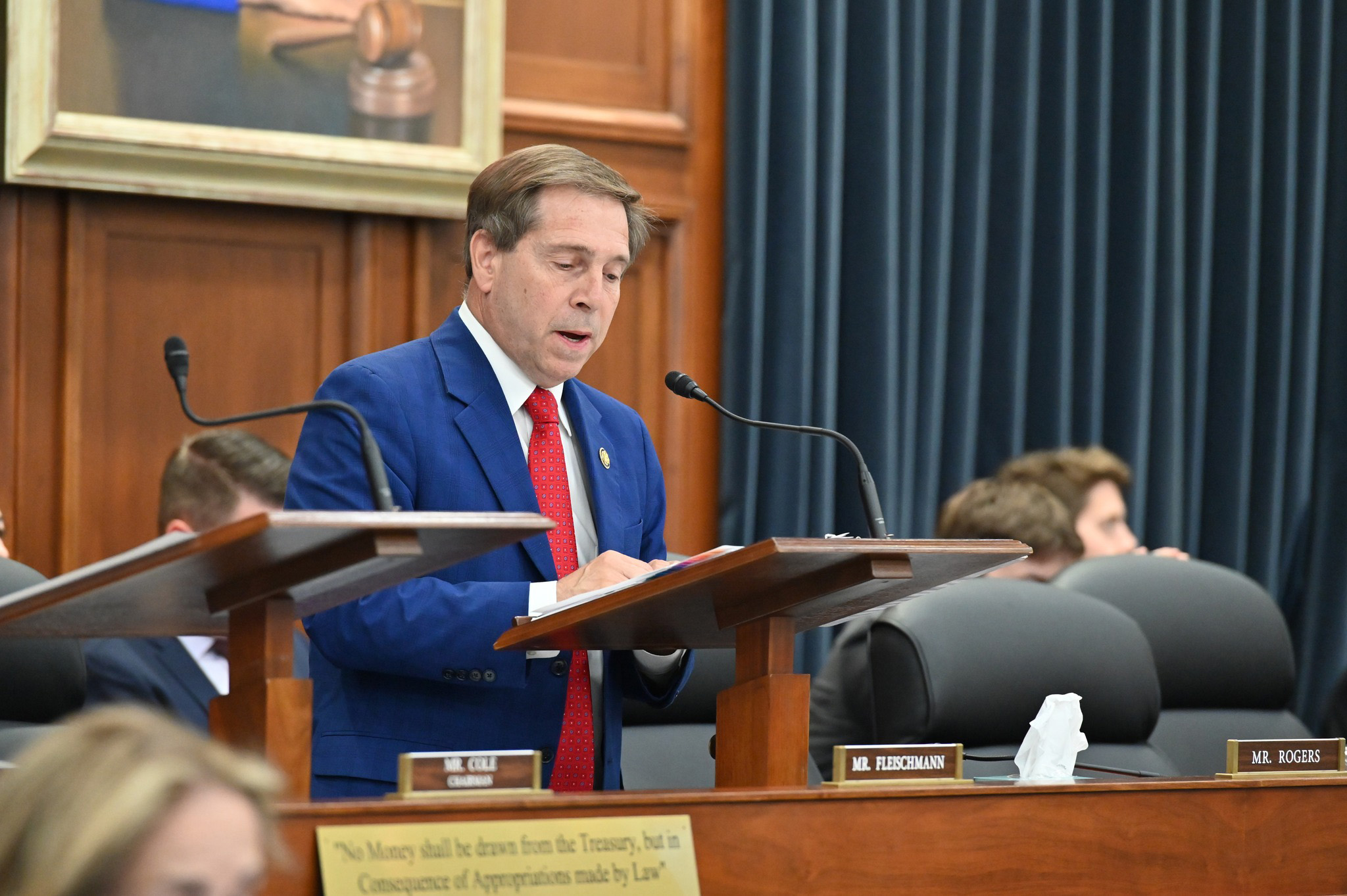
TL;DR: The House Appropriations Committee passed a $9.8 billion funding bill for the U.S. Army Corps of Engineers, $3.1 billion above the president’s FY27 request. The measure advances inland waterway construction and allocates resources across several federal agencies.
Context: On May 20, the committee approved the Fiscal Year 2027 Energy and Water Development and Related Agencies Appropriations Act by a vote of 34 in favor and 25 opposed. The bill serves as the primary annual funding source for the Corps’ civil works mission, which includes navigation, flood control, and environmental restoration projects nationwide. It also provides appropriations for the Bureau of Reclamation, Department of Energy, Nuclear Regulatory Commission, and other related agencies.
Key Facts: The legislation allocates approximately $9.8 billion to the Corps’ civil works account, with $2.4 billion earmarked for construction. Of that, $417.2 million supports two inland waterway projects: Lock and Dam 25 on the Upper Mississippi River and Montgomery Lock on the Ohio River. Tracy Zea, president and CEO of Waterways Council Inc., noted the funding will complete Montgomery Lock and provide $250 million toward Lock and Dam 25. The bill also directs $6.255 billion to the Corps’ Operations and Maintenance line, including specific amounts for the upper Missouri River and Mississippi River districts. Additional funds go to the Brazos River floodgates project, the J. Bennett Johnston Waterway, and various investigations and harbor improvements.
What It Means: The increased funding reflects congressional priority on modernizing aging infrastructure that supports commercial barge traffic, which moves bulk goods such as grain, coal, and chemicals. By enabling larger tows to pass through locks in a single operation, the projects aim to reduce transit times and shipping costs. The bill’s higher-than-requested level also signals a shift toward greater investment in water resources and energy programs compared to the administration’s proposal.
Watch next: The full House will debate the bill, where amendments could adjust allocations before it moves to the Senate for consideration.
Continue reading
More in this thread
Gavin Williamson’s Tarantula Cronus Dies at 11, Ending Its Westminster Tenure
Nadia Okafor
Victorian Premier Jacinta Allan Launches $50 Million Plan to Revive SEC Apprenticeships
Nadia Okafor
Luzerne County Primary Sees 22.8% Turnout as 47,023 Voters Cast Ballots
Nadia Okafor
Conversation
Reader notes
Loading comments...