Honda Records First Annual Loss in 70 Years as EV Strategy Falters
Honda reports a ¥423 billion loss for FY2026 and forecasts ¥512 billion EV-related loss for FY2027, marking a historic deficit for the automaker.
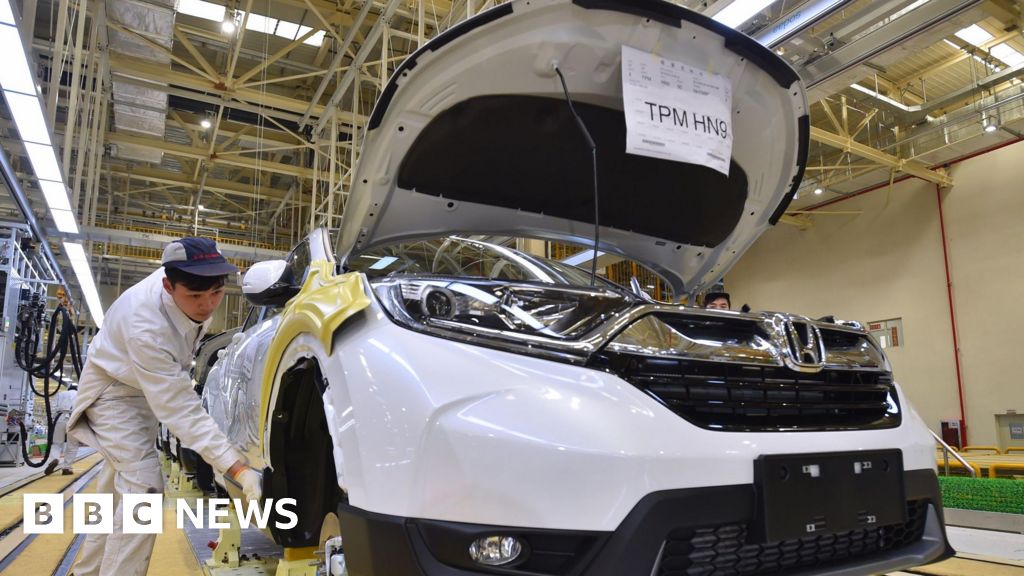
A white Honda car being made in a factory with a worker to the left of the picture wearing white overalls and a cap.
*TL;DR: Honda posted a ¥423 billion ($2.68 billion) operating loss for the year to March 2026 and now expects ¥512 billion in EV‑related losses for the next fiscal year, its first annual deficit in seven decades.
Context Honda, Japan’s second‑largest carmaker, announced its first yearly loss since being listed in 1957. The shortfall stems from a mis‑read of electric‑vehicle (EV) demand and policy shifts in the United States that eroded expected incentives and added tariffs.
Key Facts - Operating loss for FY2026: ¥423 billion ($2.68 billion). - Projected EV‑related loss for FY2027: ¥512 billion. - U.S. tax credits of up to $7,500 for EV buyers were eliminated in September 2025, and tariffs on imported cars and parts were reduced from 25 % to 15 % but still pressured margins. - Honda will cut EV production targets, source cheaper components from China, and suspend EV and battery plant plans in Canada. - The firm will refocus on motorcycles, financial services, and hybrid vehicles, naming North America, Japan and India as priority markets. - Chief executive Toshihiro Mibe scrapped the goal of EVs accounting for 20 % of new sales by 2030 and the 2040 all‑EV target. - Analyst Danni Hewson called the loss “a bleak milestone… not a surprising one,” noting legacy automakers struggled with rapid EV market swings.
What It Means Honda’s loss signals that large, established manufacturers face steep adjustment costs when EV adoption slows or policy incentives vanish. The ¥512 billion projected loss suggests the company will absorb significant write‑downs while it retools its product mix. By shifting resources to hybrids and motorcycles, Honda aims to stabilise cash flow, but the scale of the EV write‑off may weigh on its balance sheet and shareholder returns for years.
The next quarter will reveal whether Honda’s cost‑cutting measures and market‑focus shift can curb the projected losses. Investors will watch the company’s earnings guidance and any further revisions to its EV roadmap as the global auto market continues to evolve.
Continue reading
More in this thread
Elemental Royalty Pays C$327 Million for Vizsla Royalties, Secures Panuco Silver‑Gold Royalties
Elena Voss
Elemental Royalty Agrees to Acquire Vizsla Royalties for C$327 Million
Elena Voss
Paramount-WBD Merger Draws Sharp Regulatory Warnings from US and EU Lawmakers
Elena Voss
Conversation
Reader notes
Loading comments...