Heathrow Chair Launches Talks to Secure £49bn Runway Amid Cost Dispute
Heathrow chair Philip Jansen meets airlines and landowner Surinder Arora to resolve a cost dispute threatening the £49bn third runway, backed by the UK government.
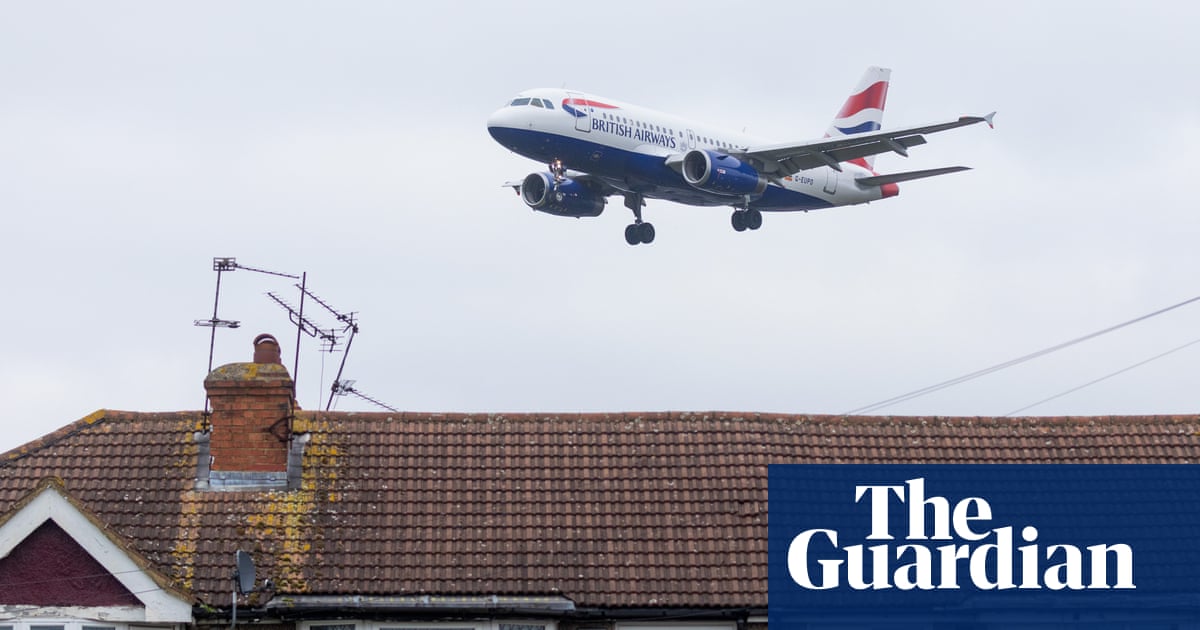
TL;DR
Heathrow’s new chair Philip Jansen is negotiating with airlines and billionaire landowner Surinder Arora to defuse a cost dispute that could stall the £49 billion third‑runway project, while the government pledges construction before the next election.
Context Heathrow Airport, Europe’s busiest hub, plans a third runway valued at £49 billion. The scheme faces opposition over cost, fees and environmental impact. Chancellor Rachel Reeves has promised government support and a start before the upcoming UK election, aiming to lock in the project’s timeline.
Key Facts - Philip Jansen, appointed chair at the start of the year, has opened talks with major carriers and Surinder Arora, a hotel magnate who runs a £25 billion rival expansion plan. - IAG chief executive Luis Gallego, representing British Airways and its partners, insists the runway’s total cost should not exceed £30 billion. - Heathrow’s owners include Ardian and sovereign wealth funds from Qatar, Singapore and Saudi Arabia; China Investment Corporation, a 10 % stakeholder, is reportedly weighing a sale amid rising costs. - The airport’s “Heathrow Reimagined” coalition—British Airways, Virgin Atlantic and Arora—presses for lower operating charges, arguing the airport already has the highest fees in Europe. - Regulators recently rejected a proposal to raise landing fees, a key financing tool for the upgrade. - The government’s November decision favoured the £49 billion plan over Arora’s alternative, targeting runway operation by 2035 and formal planning approval by 2029.
What It Means Jansen’s outreach signals a shift from confrontation to collaboration, aiming to align airline cost concerns with the government’s political timetable. If talks succeed, the runway could proceed under a tighter budget, potentially satisfying IAG’s £30 billion ceiling while preserving the £49 billion investment pledged by the state. Failure to bridge the gap may delay construction, increase financing pressure, and revive calls for alternative expansion models.
Stakeholders will watch the next round of negotiations for any agreed cost cap, the response of the China Investment Corporation, and the timing of the planning approval that will determine whether the runway breaks ground before the 2027 election.
Continue reading
More in this thread
Conversation
Reader notes
Loading comments...