Head‑on train crash near Copenhagen leaves five critically injured, 18 hurt
Head‑on train collision near Copenhagen leaves 18 injured, five critically. Investigation into signalling and human factors underway.
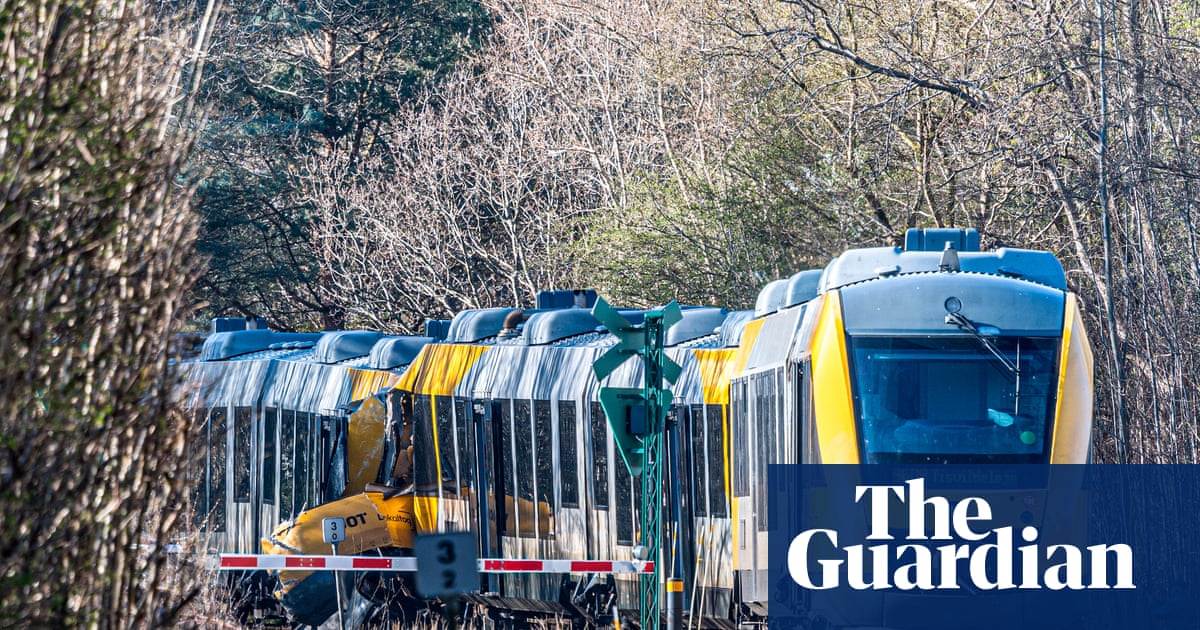
Two trains collided head‑on near Copenhagen on Thursday morning, leaving at least 18 people injured, five of them critically.
The crash occurred just before 6:30 am at a level crossing on Isterødvejen, close to Hillerød, about 30 km north‑west of Copenhagen. Emergency services responded quickly, removing all 37 passengers from the wreckage and using a military helicopter to fly the most seriously injured to hospital.
At least 18 people sustained injuries, with five classified as critical. Mette Frederiksen, Denmark’s acting prime minister, said she was “very moved by the terrible train accident” and that her thoughts go out to the injured, their families and everyone affected.
Claus René Pedersson, safety director at Lokaltog, which operates the line, stated that a head‑on collision “should not be possible” and noted the company works daily to prevent such events through signalling systems and driver training. He added that the line uses a single track for trains travelling in both directions.
North Zealand police said technical investigations are under way, but it is too early to determine whether signal errors, rail issues or human factors contributed. The trains were travelling fast, though exact speeds remain unknown.
From a scientific perspective, no published RCT or cohort study has examined this specific crash yet. Existing research on rail‑trauma indicates that head‑on impacts, while rare, tend to produce a higher proportion of severe injuries compared with other collision types. Understanding whether this event resulted from a signalling failure, a procedural lapse or another factor will help determine causality rather than mere correlation.
Practical takeaways for the public include staying alert at level crossings, following posted signals and reporting any observed malfunctions to rail operators promptly.
What to watch next: the official accident investigation board’s findings on signalling integrity and any recommended safety upgrades for the Gribskov line.
Continue reading
More in this thread
Cross River Health Commissioner Confirms Single COVID-19 Case, Dismisses Reports of Ten Symptomatic Cases
Dr. Priya Sharma
Half Million UK Biobank Records Found for Sale on Alibaba, Triggering Privacy Alarm
Dr. Priya Sharma
Biossil Raises $70M to Rescue Failed Drug Candidates with AI
Dr. Priya Sharma
Conversation
Reader notes
Loading comments...