Hanwha Power and Pembina Pipeline Sign MOU for Supercritical CO₂ Waste‑Heat Power
Hanwha Power and Pembina Pipeline agree to test supercritical CO₂ waste‑heat generators at Canadian gas compressor stations, aiming to cut emissions.
TL;DR
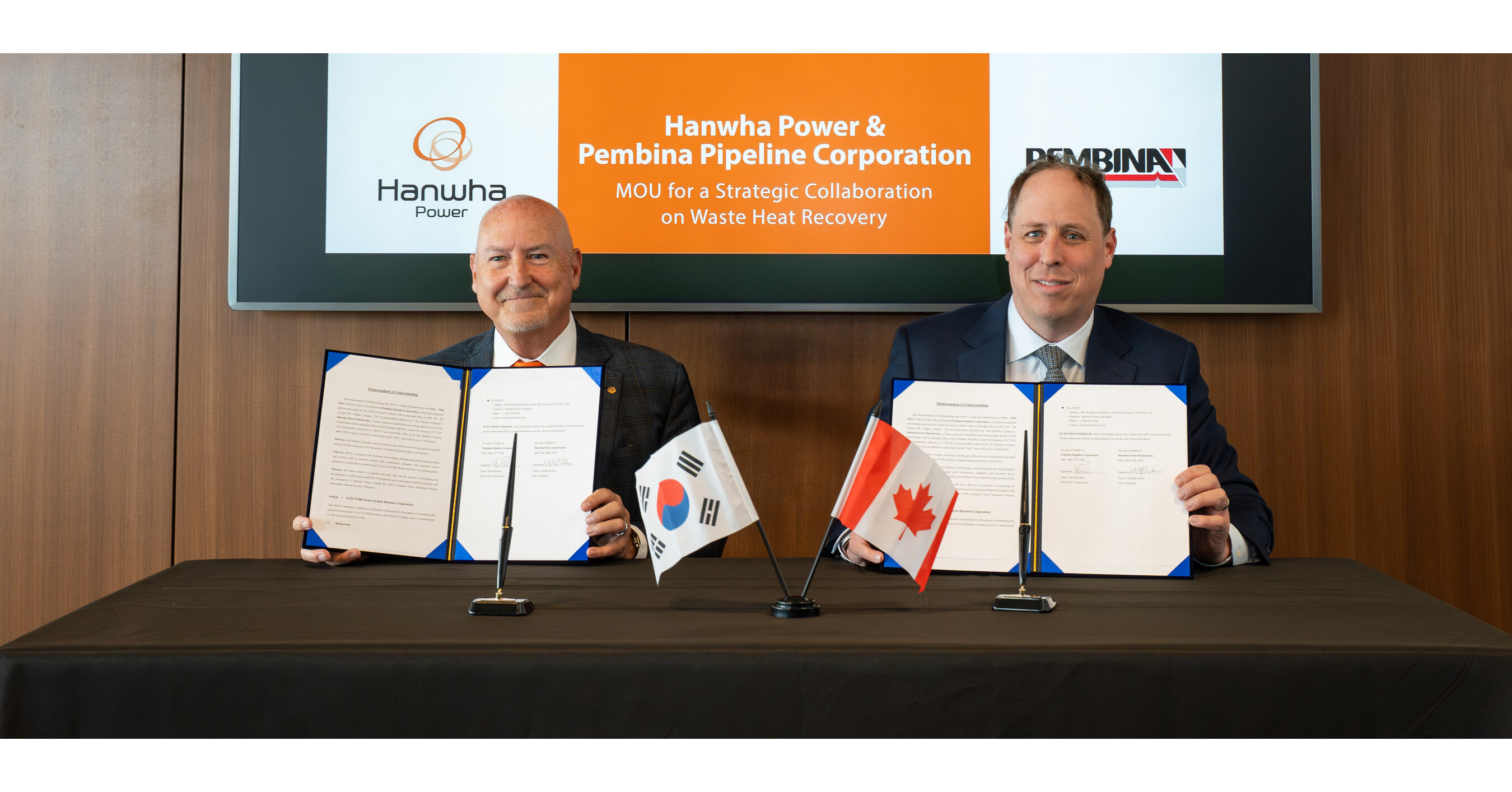
Hanwha Power and Pembina Pipeline have signed a memorandum of understanding to evaluate supercritical carbon‑dioxide waste‑heat power systems for Canadian gas infrastructure.
Context Canada’s midstream sector faces pressure to cut emissions while maintaining energy efficiency. Compressor stations that boost pipeline pressure generate large amounts of waste heat, traditionally vented to the atmosphere. Converting that heat into electricity could lower fuel use and carbon output.
Key Facts - The two firms will jointly identify pilot sites, assess technical and economic viability, and explore broader deployment across North America’s pipeline network. - Hanwha’s waste‑heat recovery (WHR) system uses supercritical carbon‑dioxide—a fluid that exhibits both liquid and gas properties at high pressure—to drive turbines without water or on‑site staff. The design shrinks equipment size and eliminates the need for cooling water, a critical advantage in water‑scarce regions. - Compared with conventional organic Rankine cycle (ORC) generators, the supercritical CO₂ system delivers higher efficiency, a more compact footprint, and uses a non‑explosive, non‑toxic working fluid. - Michael Sicker, Hanwha Power’s Head of the Americas, called the agreement “a meaningful first step” to expand green‑energy solutions in Canada, blending ITB‑based industrial cooperation with lower‑carbon technology. - Pembina’s senior vice president, Chris Rousch, said the partnership aligns with the company’s goal to enhance asset efficiency and create differentiated value for customers.
What It Means If pilot projects prove viable, the technology could become a standard retrofit for compressor stations, turning otherwise wasted heat into clean power and reducing the carbon intensity of North American gas transport. Successful deployment would also give Hanwha a foothold in the Canadian market and showcase a scalable path for waste‑heat recovery across the broader energy sector. Watch for the first pilot site selection and feasibility results later this year.
Continue reading
More in this thread
Conversation
Reader notes
Loading comments...