Half Million UK Biobank Records Found for Sale on Chinese Site Alibaba
Confidential health records of 500,000 UK Biobank volunteers were listed for sale online, raising questions about data security for critical health research.
TL;DR
Confidential health records for 500,000 UK Biobank volunteers appeared for sale on a Chinese e-commerce site, Alibaba, raising concerns about data security and prompting an investigation.
The UK Biobank project, launched in 2003, serves as a significant health research resource. Between 2006 and 2010, it recruited 500,000 UK participants aged 40 to 69. These volunteers provided genetic, clinical measurements, health information, biological samples, and lifestyle data, with ongoing follow-ups. Researchers have utilized this extensive, anonymized data since 2012 to investigate disease causes, prevalence, and treatment. This large-scale cohort study design has supported thousands of research papers globally.
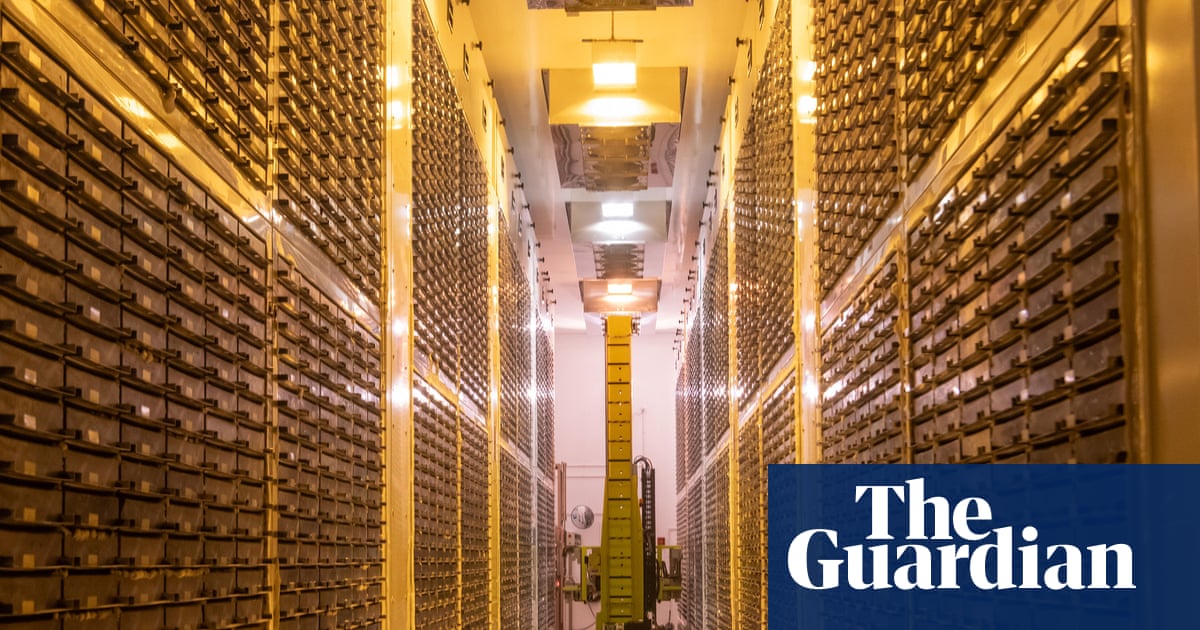
Confidential health records of 500,000 UK Biobank volunteers were recently listed for sale on the Chinese e-commerce website, Alibaba. The listings included "de-identified" data, meaning direct personal identifiers such as names, addresses, or precise dates of birth were absent. Despite the swift removal of these specific listings, UK Biobank data reportedly remains accessible for sale and online download, marking the 198th known data exposure since last summer.
The extensive dataset from the UK Biobank has contributed significantly to medical science. For example, an artificial intelligence (AI) tool, trained on this data, can predict an individual's risk for over 1,000 diseases. Research using this data has also identified four blood proteins potentially aiding early dementia diagnosis and linked alcohol consumption to changes in brain size and structure. Findings also show diabetes can affect heart structure, and COVID-19 infections may damage the brain's "smell centre."
This incident highlights the ongoing challenge of securing large-scale health datasets, even when anonymized. The potential for re-identification or misuse of such comprehensive health information, gathered over years, remains a significant concern for both participants and the wider research community. The sheer depth of combined genetic, clinical, and lifestyle data makes this resource uniquely valuable and, concurrently, a target.
UK Biobank's chief executive and principal investigator, Professor Rory Collins, has communicated to participants, reassuring them that their personal identifying information in UK Biobank is "safe and secure." The organization plans new security measures, including restricting the size of data files researchers can export from its platform. A comprehensive, board-led investigation into the incident is currently underway.
This event underscores the critical importance of participant trust for health research relying on extensive de-identified datasets. Maintaining this trust requires robust security protocols and transparent communication regarding data handling. The future of health research heavily depends on securely managed data that allows for scientific advancement while safeguarding individual privacy. Continued vigilance and investment in secure systems will be crucial as these valuable data resources grow.
Continue reading
More in this thread
Cross River Health Commissioner Confirms Single COVID-19 Case, Dismisses Reports of Ten Symptomatic Cases
Dr. Priya Sharma
Half Million UK Biobank Records Found for Sale on Alibaba, Triggering Privacy Alarm
Dr. Priya Sharma
Biossil Raises $70M to Rescue Failed Drug Candidates with AI
Dr. Priya Sharma
Conversation
Reader notes
Loading comments...