Half Million Britons' Health Data Offered for Sale on Alibaba, UK Govt Confirms
The UK government confirms that de-identified health data from 500,000 UK Biobank volunteers was offered for sale on Alibaba and swiftly removed. Learn about the incident and mitigations.
TL;DR
Half a million British volunteers' de-identified health records from the UK Biobank were offered for sale on Alibaba, confirmed by the UK government. The listings were swiftly removed before any confirmed sales.
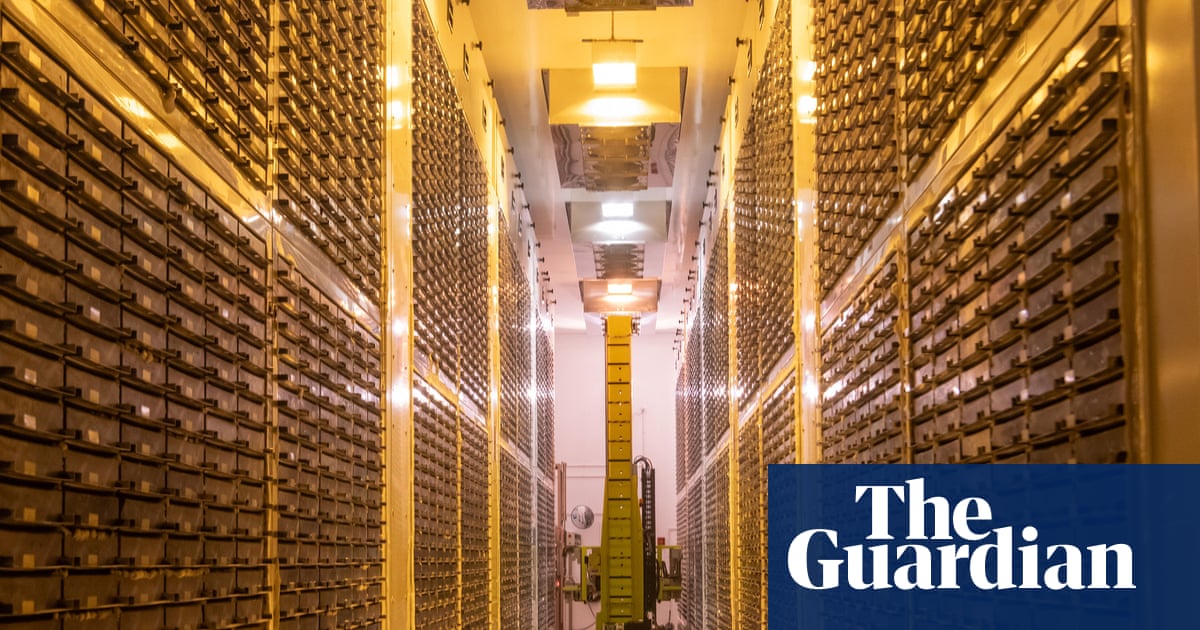
The UK Biobank, a prominent health research charity, collects comprehensive health and genetic information from 500,000 British volunteers. This data, which includes genome sequences, brain scans, blood samples, and diagnostic records, is "de-identified" to remove direct personal identifiers like names and addresses, making it suitable for global scientific research.
On April 20, UK Biobank informed the government that its data had been advertised for sale by several sellers on Alibaba's Chinese e-commerce platforms. Three separate listings were identified, at least one of which appeared to contain data from all 500,000 UK Biobank participants. The listings offered de-identified health records. The UK government, Chinese authorities, and Alibaba collaborated to swiftly remove these listings, preventing any confirmed sales. Professor Rory Collins, UK Biobank's chief executive, confirmed the listings involved de-identified data and stated that the responsible individuals and institutions immediately had their access suspended. This incident originated from accredited research institutions misusing their legitimate access to the data, constituting a clear breach of their contractual agreements.
This event underscores the persistent challenges in data governance, even when information is accessed through authorized channels. UK Biobank clarified that this was not an external leak but a misuse by authorized parties. In response, UK Biobank suspended access for the identified institutions. The organization also temporarily took its research platform offline for a three-week upgrade designed to prevent further unauthorized data downloads. Furthermore, UK Biobank is accelerating plans to implement an automated "airlock" system, which will review files and data before they leave the platform. The charity has also referred itself to the Information Commissioner's Office.
Mitigations Organizations managing sensitive datasets must reinforce their access control policies and implement continuous monitoring. Data loss prevention (DLP) solutions can detect and prevent unauthorized data exfiltration. Mandating secure enclaves or virtual desktop infrastructures for data processing can restrict data from being downloaded to local systems. Regular audits of data access logs are critical to identify anomalous behavior. Enforcing strict contractual agreements with all third-party partners, detailing permissible data use and robust security requirements, is also essential.
Moving forward, the focus will remain on the effectiveness of UK Biobank's enhanced security measures and the outcomes of the ongoing Information Commissioner's Office investigation into this incident.
Continue reading
More in this thread
Apple patches iOS bug that exposed deleted Signal chats to law enforcement
Peter Olaleru
South Africa’s Data Breach Epidemic: Every Three Hours, Costs Soar to R70.2m
Peter Olaleru
Nearly All Epe Residents Exposed in March 12 Data Breach, 552,000 Files Stolen
Peter Olaleru
Conversation
Reader notes
Loading comments...