Haiti Leads Canada’s Approved Asylum Claims in 2025, India Tops Rejections
In 2025 Canada approved 4,511 Haitian asylum claims while rejecting 2,309 Indian applications, highlighting shifting migration trends and backlog challenges.
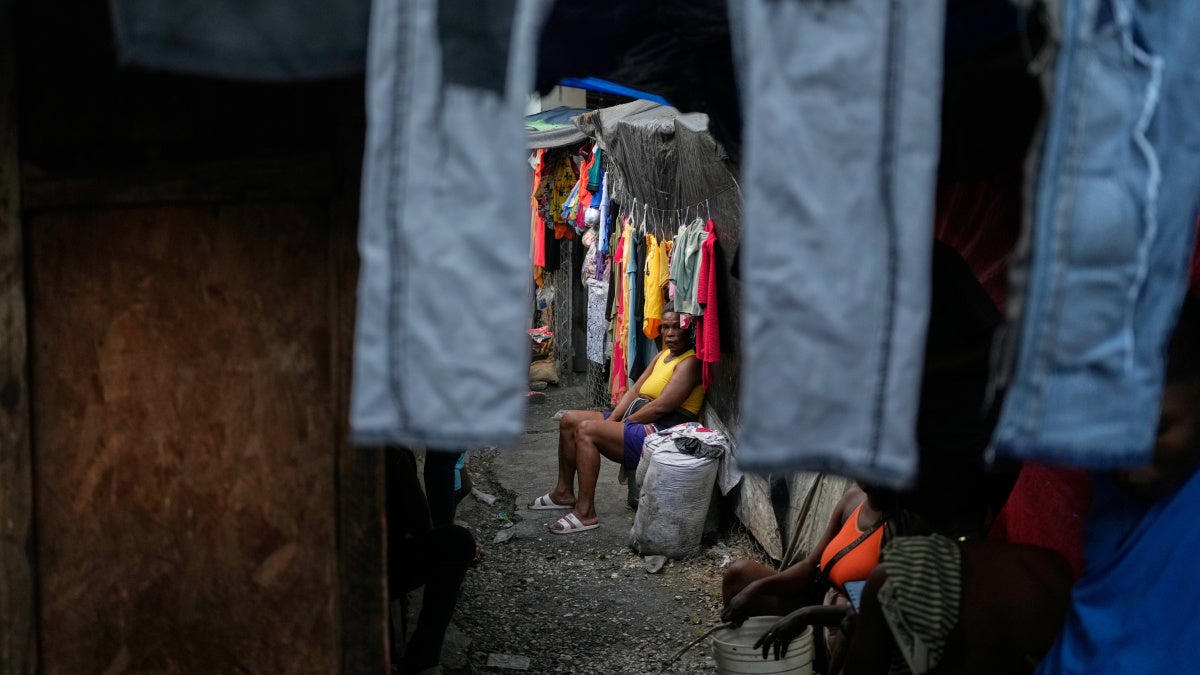
A woman sits in a shelter for families displaced by criminal group violence in Port-au-Prince, Haiti, October 14, 2025.
*TL;DR: Haiti recorded the highest number of approved asylum claims in Canada for 2025, while India accounted for the most rejections.
Canada processed 107,802 asylum claims in 2025, according to the Immigration and Refugee Board. Applicants came from dozens of nations, creating a backlog that now exceeds 29,000 pending cases.
Key numbers: 50,067 claims were approved and 14,619 denied. An additional 7,944 claims were abandoned and 6,832 withdrawn or closed administratively, leaving 79,462 finalized cases.
Haiti topped the approval list with 4,511 successful applications out of 14,192 referrals. Türkiye followed with 4,057 approvals, Nigeria with 3,463, and Iran with 3,456. Mexico, Pakistan, Colombia and Uganda also featured among the top approved nations.
India led the rejection tally, seeing 2,309 claims denied. Mexico (1,836) and Nigeria (1,377) were the next highest rejectors. Haiti and Bangladesh each faced over a thousand rejections, but their approval totals remained higher.
The data reveal two trends. First, Caribbean and Middle‑Eastern nationals dominate the approval ranks, suggesting that Canadian adjudicators view their persecution claims as more credible under current standards. Second, South Asian applicants, particularly from India, encounter higher denial rates, indicating stricter scrutiny or differing evidentiary thresholds.
Backlogs remain a critical issue. While 50,067 claims received a positive decision, more than 29,000 applications still await resolution, stretching the IRB’s capacity and prolonging uncertainty for claimants.
What it means: The disparity between approved and rejected nationalities may influence future immigration policy and diplomatic engagement. Canada may need to allocate additional resources to reduce the pending caseload and ensure timely processing across all source countries.
Looking ahead: Watch for the IRB’s quarterly updates on case processing times and any policy adjustments aimed at balancing approval rates with backlog reduction.
Continue reading
More in this thread
Conversation
Reader notes
Loading comments...