GOP-Led State Takeover of Memphis Schools Sparks Parent Alarm and Voter Surge
A Republican-appointed board gains control of Memphis schools, sparking fears over funding cuts and a surge in voter turnout.
TL;DR
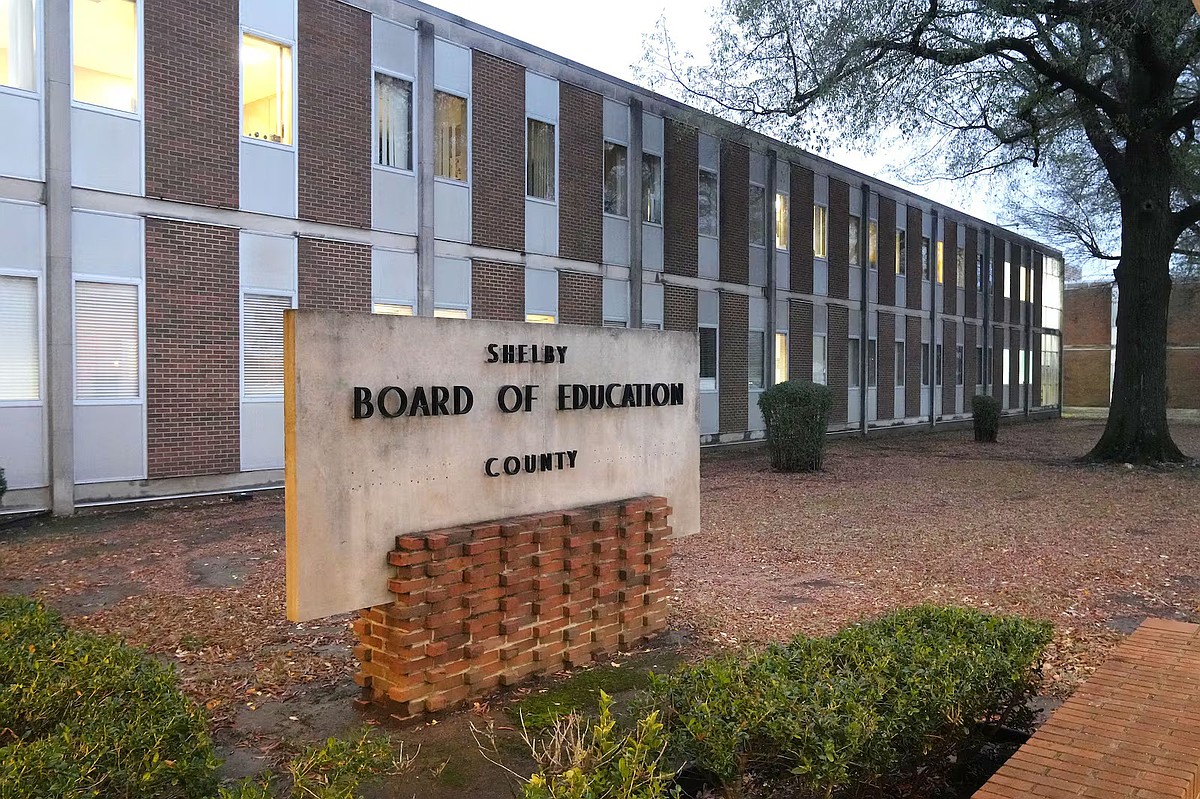
A Republican‑appointed oversight board will control Memphis‑Shelby County Schools, prompting parental concerns over funding and a record voter turnout in the May primary.
Context Tennessee Republicans passed a bill this spring that places Memphis‑Shelby County Schools under state control. The legislation, signed by Gov. Bill Lee, creates a nine‑member board appointed by top GOP leaders. The move follows the local school board’s decision in January to fire former Superintendent Marie Feagins.
Key Facts The new board can fire the newly appointed superintendent, Roderick Richmond, dictate the district’s budget and decide which schools close. Shelby County parents, including 5‑year‑old’s mother Shelby Pearson, worry the all‑white board will strip funding from a majority‑Black district, cancel contracts with Black‑owned businesses and cut after‑school programs. Pearson asked, “How will our kids be protected? How will our kids still have the funding that they need?”
Community activism shifted from street protests to the ballot box. Early voting surged, and the May 5 primary saw nearly 29,000 voters—8,000 more than at the same point in 2018. Four school‑board seats are up for election, but the incoming board will wield far less authority than its predecessors.
District officials hired a lawyer to challenge the takeover, but a law signed hours before the vote bars the district from using public funds for the lawsuit. Attempts by two Shelby County commissioners to allocate $200,000 for legal action failed narrowly. Republican officials, citing the 2023 Houston takeover as a model, argue the board needs “all‑encompassing authority” to reverse fiscal mismanagement and academic underperformance.
What It Means Parents fear the board will divert resources to suburban districts, leaving Memphis students—already lagging academically—without adequate support. Legal challenges appear stalled, and the board’s authority will be cemented once Lee signs the measure. The heightened voter turnout suggests heightened community engagement, but the reduced power of elected board members may limit local influence.
Looking ahead, watch for court rulings on the district’s ability to fund legal challenges and for the board’s first budget and school‑closure decisions, which will shape Memphis education for years to come.
Continue reading
More in this thread
Conversation
Reader notes
Loading comments...