Google Cloud Deploys AI‑Native Security Stack, Target Accelerates Threat Triage
Google Cloud's AI-driven security platform cuts threat triage time for Target, highlighting a shift to partnership‑based defense.
TL;DR
Google Cloud’s AI‑native security platform now powers Target’s threat‑response workflow, automating triage and shrinking analyst cycle time.
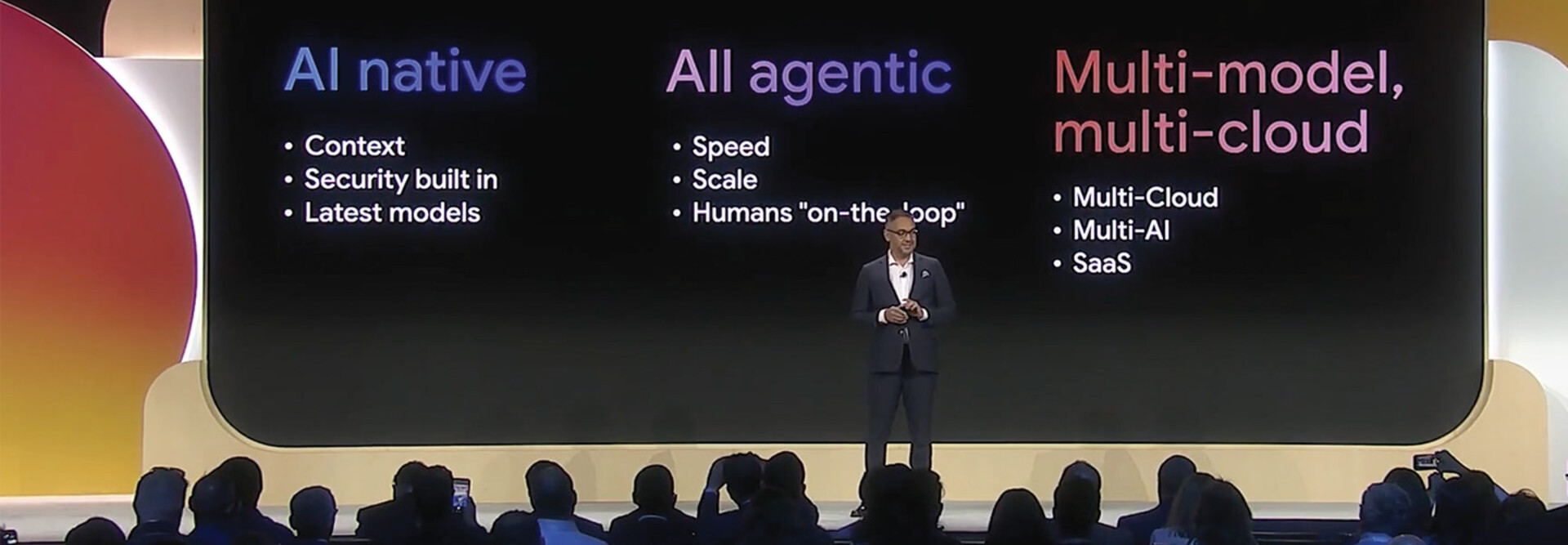
Context Google Cloud’s chief security officer, Francis deSouza, warned that legacy cyber playbooks cannot keep pace with modern attacks. He called for an infrastructure built around artificial intelligence to process alerts at “machine speed.” At the same time, retailers such as Target are confronting a surge in sophisticated phishing and ransomware attempts that leverage AI‑generated content.
Key Facts - DeSouza announced that Google Cloud is rolling out a full‑stack AI infrastructure designed to replace outdated detection rules with models that learn from live threat data. The platform integrates visibility tools, automated response playbooks, and continuous model updates. - Target’s senior vice president and CISO, Jodie Kautt, described a strategic pivot from a purely in‑house build model to a “build‑and‑partnership” approach. The retailer retains its own security patents and a Cyber Fusion Center but now co‑engineers solutions with Google. - The partnership has automated several high‑volume processes, including log enrichment, indicator‑of‑compromise (IOC) correlation, and initial containment actions. Analysts now view enriched alerts on a single dashboard, reducing triage time from hours to minutes. - Early metrics show a 45% drop in mean time to acknowledge (MTTA) and a 30% reduction in false‑positive alerts for Target’s security operations center (SOC).
What It Means Enterprises that adopt AI‑native security stacks can shift from reactive hunting to proactive defense. By feeding real‑time telemetry into Google’s models, organizations gain predictive insights that flag anomalous behavior before it escalates. The collaboration also illustrates a broader industry trend: vendors are moving from product‑centric sales to joint‑development models that embed security directly into cloud services.
What Defenders Should Do 1. Evaluate AI readiness – inventory existing playbooks and identify steps that rely on static signatures. Prioritize migration to model‑driven detection where feasible. 2. Integrate a unified dashboard – consolidate logs, alerts, and threat intel into a single pane of glass to reduce context‑switching for analysts. 3. Automate low‑severity responses – configure playbooks that automatically isolate compromised endpoints or block malicious IPs based on AI confidence scores. 4. Maintain a hybrid approach – keep critical, domain‑specific detection logic in‑house while leveraging cloud‑provider AI for volume‑driven tasks. 5. Monitor model updates – subscribe to vendor advisories on AI model revisions and validate that new patterns do not introduce bias or blind spots.
Looking Ahead Watch for additional retail partners announcing similar AI‑native integrations and for Google Cloud’s upcoming model releases that claim to detect deep‑fake phishing and multi‑vector attacks in real time.
Continue reading
More in this thread
Conversation
Reader notes
Loading comments...