GM Pays $12.75 Million for Illegal Sale of California Drivers’ Data
General Motors settles for $12.75 million after selling California drivers' location and driving data without consent, facing a five-year data‑sale ban.
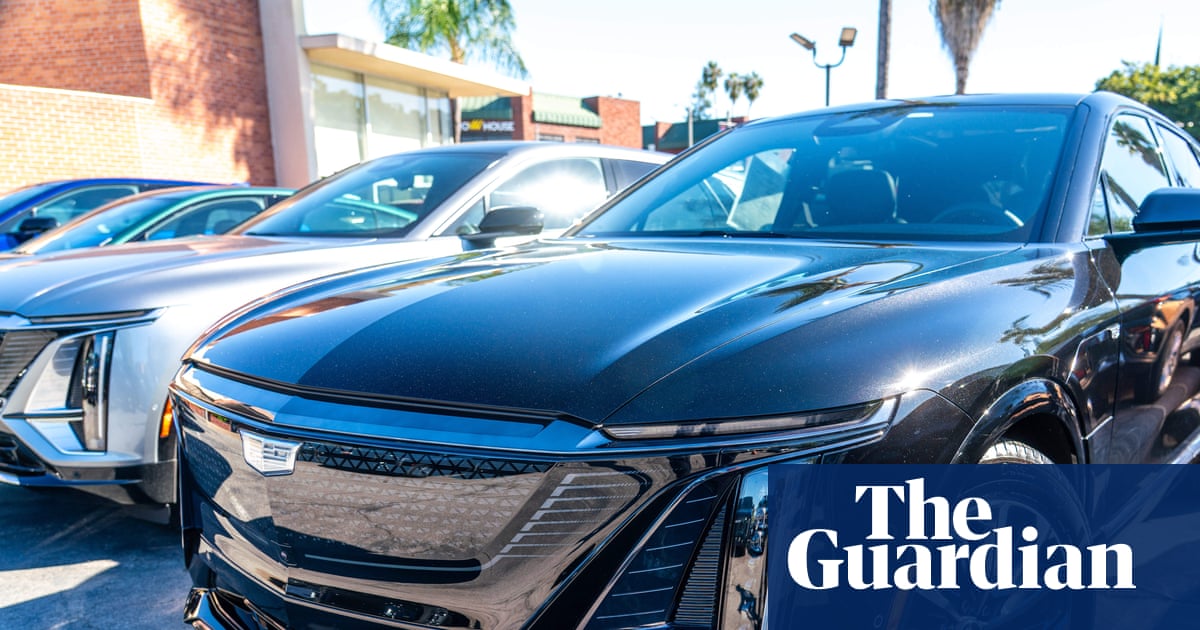
TL;DR
General Motors will pay $12.75 million to settle California claims that it sold drivers’ location and driving data to brokers without permission.
Context California Attorney General Rob Bonta announced the settlement on Friday, ending a multi‑year investigation into GM’s data‑sharing practices. The probe began in 2023 after state officials received complaints that automakers were monetising vehicle telemetry.
Key Facts - GM earned roughly $20 million by providing the names, contact details, geolocation and driving‑behavior records of hundreds of thousands of California motorists to data brokers Verisk Analytics and LexisNexis Risk Solutions. - The data originated from OnStar, GM’s in‑vehicle security and connectivity service, which continuously records vehicle location and driver actions. - Bonta said GM sold the information “without their knowledge or consent,” despite public statements promising not to do so. - The $12.75 million payment covers civil penalties and is pending court approval. In addition, California will bar GM from selling any consumer‑driving data for five years. - State regulators clarified that the settlement will not raise insurance premiums, as California law already prohibits insurers from using driving data to set rates.
What It Means The case underscores growing scrutiny of how car manufacturers handle telemetry. Modern vehicles generate detailed records that can reveal where a person lives, works, worships or schools their children. When such data enters the broker market, individuals lose control over its downstream use. Legal experts note that the five‑year ban may push GM to redesign its data‑collection architecture or to adopt stricter opt‑out mechanisms. Other automakers are watching closely, as similar investigations are underway in several states. Consumer‑advocacy groups argue that the settlement is a step toward transparency but stress that enforcement will be critical. They point to the need for clear privacy policies and real‑time consent tools built into vehicle software. For drivers, the outcome signals that privacy claims can translate into financial penalties for corporations. It also raises the question of how much data future cars will collect and who will ultimately profit from it.
Looking ahead, regulators will monitor GM’s compliance with the data‑sale ban and may consider broader legislation to govern vehicle telemetry across the United States.
Continue reading
More in this thread
EU Clears Four Cross‑Sector Acquisitions, From Lonza Capsules to Chilean Power
Elena Voss
Inspire Brands Files Confidential IPO, Aims for $2 Billion Raise After $11.3 Billion Dunkin’ Deal
Elena Voss
South East Water CEO Resigns as Regulator Mulls £22 million Fine
Elena Voss
Conversation
Reader notes
Loading comments...