Ghana's $3bn IMF Bailout Faces Test as New Policy Instrument Challenges Mahama's Fiscal Discipline
Three years after a $3bn IMF rescue, Ghana's economy shows improvement but a new Policy Coordination Instrument will test whether the Mahama government can maintain fiscal discipline ahead of elections.
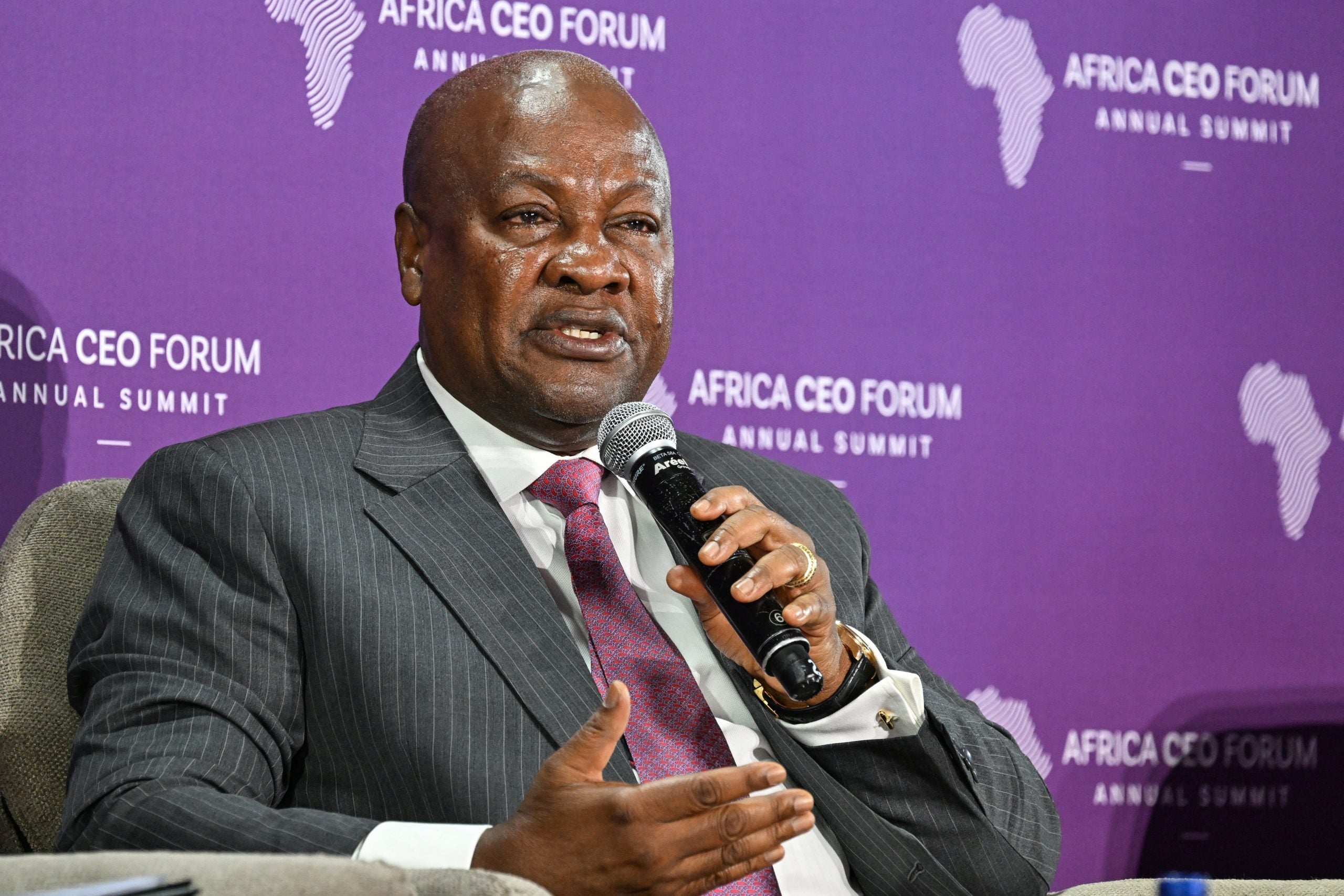
TL;DR: Three years after a $3bn IMF bailout, Ghana's economy has stabilized but a new Policy Coordination Instrument will test the Mahama administration's fiscal restraint ahead of elections.
Context
Ghana entered one of its worst economic crises in 2023. Inflation exceeded 50%, the cedi collapsed, and the government defaulted on external debt for the first time in decades. The IMF approved a $3 billion bailout to restore macroeconomic stability.
Key Facts
By September 2024 the cedi steadied at 11.0 GHS per USD, a 10% gain from its low of 12.2 GHS/USD in early 2023. Ghana's 10-year eurobond yield fell to 9.8% in August 2024 from 15.4% at the crisis peak.
The GSE Composite index rose 18% year-to-date in 2024, reaching 2,950 points versus 2,500 at end-2023. GCB Bank's market capitalization stood at GHS 4.2 billion ($260 million) in September 2024, up 12% from GHS 3.8 billion a year earlier.
Inflation had slowed to 22% in July 2024, down from over 50% in 2023.
What It Means
The IMF's new Policy Coordination Instrument (PCI) releases funds only after quarterly reviews confirm that the government meets targets on the primary balance, debt-to-GDP ratio, and inflation. This mechanism ties disbursements to measurable fiscal outcomes, aiming to deter pre-election spending spikes.
Early data show the primary balance improved to a surplus of 0.5% of GDP in FY2023/24, while debt-to-GDP fell from 78% to 72%.
Analysts will watch the first PCI review scheduled for March 2026 and the 2026 general election campaign for signs of spending pressure.
Continue reading
More in this thread
Conversation
Reader notes
Loading comments...